
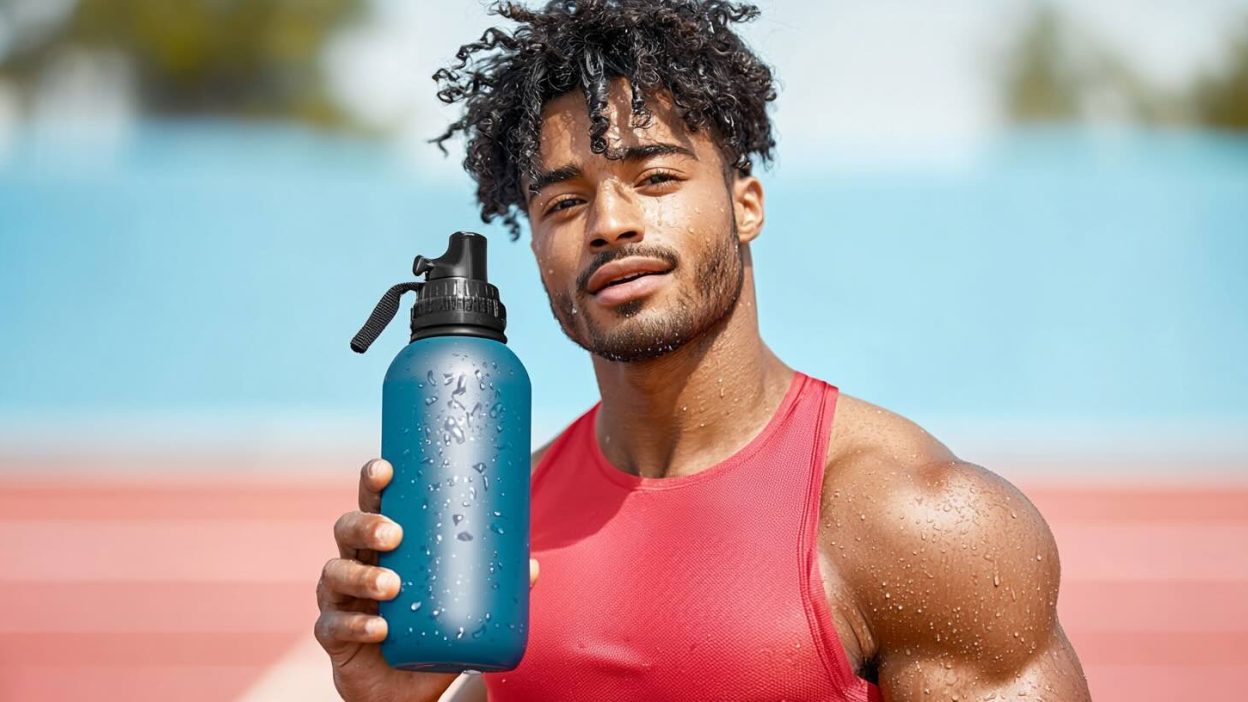
Staying hydrated during long workouts is crucial for maintaining performance, endurance, and recovery. Dehydration can lead to muscle cramps, fatigue, and decreased focus, making workouts less effective and increasing the risk of injury. This guide covers essential hydration strategies, including proper water intake, electrolyte balance, and timing for optimal results.
Why Hydration Matters for Long Workouts
Why It’s Important
Hydration is essential for maintaining endurance, preventing injuries, and optimizing performance during long workouts. Even mild dehydration can negatively impact strength, energy levels, and focus. Here’s why staying hydrated is crucial:
- Regulates Body Temperature – Sweating cools the body, but without adequate hydration, your ability to regulate heat diminishes, increasing the risk of overheating.
- Prevents Muscle Cramps & Fatigue – Dehydration disrupts electrolyte balance, leading to muscle stiffness, weakness, and cramping.
- Supports Cardiovascular Health – Hydration maintains blood volume, ensuring oxygen and nutrients reach muscles efficiently.
- Enhances Performance & Focus – Dehydration causes early fatigue, impairs coordination, and reduces mental sharpness.
Signs of Dehydration
Recognizing early signs of dehydration helps you adjust fluid intake before it impacts performance. Common symptoms include:
- Dry Mouth & Excessive Thirst – One of the first indicators your body needs water.
- Dark Yellow Urine or Reduced Urination – Clear to light yellow urine signals proper hydration. Dark urine suggests dehydration.
- Fatigue, Dizziness, or Headaches – Lack of fluids decreases blood flow and oxygen delivery to muscles and the brain.
- Muscle Cramps or Slower Recovery – Dehydrated muscles struggle to contract properly, increasing soreness and prolonging recovery time.
By recognizing these symptoms and maintaining proper hydration, you can optimize endurance, reduce fatigue, and improve overall workout performance.
How Much Water Do You Really Need?
General Hydration Guidelines
Proper hydration is more than just drinking when you’re thirsty. To maintain peak performance and prevent dehydration, follow these general guidelines:
- Daily Water Intake: Men should consume approximately 3.7 liters (125 oz) of water per day, while women need around 2.7 liters (91 oz) before factoring in exercise.
- Pre-Workout Hydration: Drink 16-20 oz of water about 2-3 hours before exercise to ensure adequate hydration levels.
- During Exercise: Sip 7-10 oz of water every 10-20 minutes during prolonged workouts, adjusting based on sweat rate and intensity.
- Post-Workout Hydration: Replenish fluids by drinking 16-24 oz of water for every pound of body weight lost through sweat.
Factors That Affect Hydration Needs
Not everyone has the same hydration requirements. Several factors influence how much water you need:
- Workout Intensity & Duration: Longer and more intense workouts require increased fluid intake to compensate for sweat loss.
- Environmental Conditions: Hot and humid environments accelerate fluid loss, making hydration even more critical.
- Sweat Rate & Body Composition: Some individuals sweat more than others, requiring extra fluids and electrolytes to stay balanced.
Monitoring your hydration levels and adjusting your intake based on these factors ensures optimal performance, faster recovery, and reduced risk of dehydration-related issues.
The Role of Electrolytes in Hydration
Why Electrolytes Matter
Electrolytes are minerals that help regulate hydration, muscle function, and nerve signaling. During long workouts, sweat causes the loss of essential electrolytes, which need to be replenished to maintain performance and prevent dehydration.
- Sodium: Helps retain water, maintain fluid balance, and prevent hyponatremia (dangerously low sodium levels).
- Potassium: Supports muscle contractions and prevents cramps by regulating nerve function.
- Magnesium & Calcium: Essential for proper muscle contractions, energy production, and nerve communication.
Best Sources of Electrolytes
To maintain hydration and prevent electrolyte imbalances, incorporate these sources into your workout nutrition:
- Sports Drinks: Choose low-sugar options that provide a balance of sodium, potassium, and magnesium.
- Coconut Water: A natural source of potassium with fewer additives than commercial sports drinks.
- Electrolyte Tablets or Powders: Convenient options to add to water for rapid electrolyte replenishment.
- Whole Foods: Incorporate potassium-rich foods like bananas, nuts, seeds, and leafy greens to maintain electrolyte balance naturally.
Electrolyte replenishment is crucial for preventing fatigue, reducing muscle cramps, and optimizing endurance during extended training sessions.
Best Hydration Strategies for Long Workouts
Before Your Workout
Proper hydration starts well before you begin exercising. Preparing your body with adequate fluids ensures optimal performance and prevents early fatigue.
- Start hydrating the day before intense exercise to build up fluid reserves.
- Drink 16-20 oz of water at least 2-3 hours before your workout.
- Eat hydrating foods like watermelon, cucumber, and oranges to boost fluid intake naturally.
During Your Workout
Maintaining hydration throughout your workout is essential for endurance, muscle function, and temperature regulation.
- Sip water consistently rather than chugging to prevent bloating and maximize absorption.
- Alternate water and electrolyte drinks to maintain fluid balance and prevent muscle cramps.
- Use hydration packs or handheld bottles for easy access to fluids, especially during long-distance running or cycling.
After Your Workout
Rehydrating after exercise is key to replenishing lost fluids, restoring electrolyte balance, and aiding muscle recovery.
- Replenish lost fluids within 30-60 minutes after your workout.
- Weigh yourself before and after exercise—drink 16-24 oz of water per pound lost.
- Consume recovery meals rich in potassium, sodium, and protein to support muscle repair and fluid retention.
By following these hydration strategies, you can sustain peak performance, prevent dehydration-related fatigue, and recover more efficiently after long workouts.
Best Hydration Products for Long Workouts
Water Bottles & Hydration Packs
Staying hydrated during long workouts is easier with the right gear. These water bottles and hydration packs ensure you have easy access to fluids.
- Hydro Flask 32 oz – Insulated stainless steel bottle that keeps water cold for hours, perfect for gym workouts and outdoor training.
- CamelBak Hydration Pack – Hands-free hydration system, ideal for runners, cyclists, and hikers who need continuous water access.
- Nathan QuickSqueeze Bottle – Lightweight, ergonomic bottle designed for runners, featuring a grip-free design for easy carrying.
Electrolyte Drinks & Supplements
Electrolytes help maintain hydration balance, prevent muscle cramps, and support endurance during long workouts.
- Nuun Sport Hydration Tablets – Low-sugar, portable tablets that dissolve in water, providing essential electrolytes without artificial ingredients.
- Liquid I.V. Hydration Multiplier – Rapid hydration formula with optimal electrolyte balance, great for post-workout recovery.
- Gatorade Endurance Formula – Specifically designed for endurance athletes, containing extra sodium and carbohydrates to sustain long workouts.
Choosing the right hydration products can help you maintain peak performance, avoid dehydration, and recover faster after intense workouts.
Common Hydration Mistakes & How to Avoid Them
Top Mistakes
Many people unknowingly sabotage their hydration efforts. Here are the most common mistakes and how to fix them.
- Drinking Too Much Water – Overhydration can dilute electrolytes, leading to hyponatremia, a condition that causes nausea, confusion, and even serious health risks. Fix: Balance water intake with electrolytes.
- Ignoring Electrolytes – Water alone isn’t enough for long workouts, especially in hot conditions. Electrolytes like sodium, potassium, and magnesium are essential for muscle function and hydration. Fix: Include an electrolyte supplement or drink in your hydration plan.
- Waiting Until You’re Thirsty – Thirst is a late-stage sign of dehydration. By the time you feel thirsty, your performance may already be declining. Fix: Sip water consistently throughout your workout rather than relying on thirst cues.
- Using Sugary Sports Drinks – Many commercial sports drinks are loaded with sugar, leading to energy crashes and unnecessary calorie intake. Fix: Opt for low-sugar hydration tablets or electrolyte powders with clean ingredients.
By avoiding these common mistakes and fine-tuning your hydration strategy, you’ll enhance endurance, reduce fatigue, and stay energized throughout your workouts.
Hydration Tips for Different Workout Types
Different types of workouts require tailored hydration strategies to optimize performance and prevent dehydration. Here’s how to stay hydrated based on your workout style.
Running & Endurance Training
Long-distance running and endurance sports lead to significant fluid loss, making consistent hydration essential.
- Use a hydration belt or vest – Provides easy access to water without disrupting your pace.
- Drink small sips every mile or every 15 minutes – Helps maintain hydration without bloating.
- Alternate water with electrolyte drinks – Prevents sodium depletion and reduces the risk of muscle cramps.
Strength Training & Weightlifting
Hydration supports muscle function and endurance during resistance training.
- Sip water between sets – Avoid drinking too much at once to prevent bloating.
- Use electrolyte drinks if sweating excessively – Helps replenish lost minerals during high-intensity sessions.
- Avoid overhydration before lifting – Too much fluid intake can cause discomfort and impact performance.
Cycling & Hiking
Long outdoor workouts increase sweat loss, requiring careful hydration planning.
- Carry a hydration pack – Allows for hands-free drinking while riding or hiking.
- Plan hydration stops – If cycling or hiking for extended periods, identify water refill points along your route.
- Monitor sweat loss – Adjust fluid intake based on weather conditions and effort level.
By adjusting your hydration strategy based on the type of exercise, you can improve endurance, maintain strength, and prevent dehydration-related fatigue.
How to Stay Hydrated in Hot & Humid Conditions
Exercising in hot and humid environments increases sweat loss, raising the risk of dehydration and heat exhaustion. Proper hydration and preparation are essential to maintaining performance and preventing overheating.
Tips for Hot Weather Workouts
- Drink cold fluids before and during workouts – Cold water helps lower core body temperature and improves endurance in hot conditions.
- Increase electrolyte intake – High sweat rates lead to sodium and potassium loss, making electrolyte replenishment crucial for muscle function and hydration.
- Wear moisture-wicking, breathable clothing – Lightweight fabrics help regulate body temperature and reduce excessive sweating.
- Exercise during cooler parts of the day – Plan workouts for early mornings or evenings when temperatures are lower.
By implementing these hydration strategies, you can safely train in hot conditions while reducing the risk of dehydration and heat-related illnesses.
Conclusion
Hydration is essential for maintaining performance, endurance, and recovery during long workouts. Proper fluid intake ensures your body functions optimally, reducing the risk of fatigue, muscle cramps, and dehydration-related complications.
By balancing water and electrolytes before, during, and after exercise, you can prevent dehydration and improve overall workout efficiency. Whether you’re running, lifting weights, cycling, or hiking, your hydration strategy should be tailored to your workout type, climate, and sweat rate.
How do you stay hydrated during long workouts? Share your tips in the comments below! If you found this guide helpful, spread the word and help others optimize their hydration for peak performance.