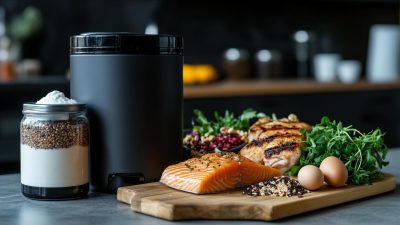

As the world increasingly embraces plant-based lifestyles, many are curious about how to maximize muscle gain while following a vegan diet. The misconception that muscle building is solely reliant on animal products can deter individuals from pursuing their fitness goals. However, with the right knowledge and choices, it is entirely possible to build muscle effectively on a plant-based diet. This article will explore the top plant-based protein sources that can help vegans achieve their muscle gain objectives.
What Are the Best Vegan Protein Sources for Muscle Gain?
How Much Protein Do Vegan Foods Provide?
When considering the question of how much protein is found in vegan foods, it’s essential to recognize that there is a wide variety of plant-based protein sources available. Foods such as lentils, chickpeas, quinoa, and soy products are rich in protein and can contribute significantly to daily protein intake. For instance, a cup of cooked lentils contains approximately 18 grams of protein, while a serving of tempeh packs about 31 grams of protein per cup. These amounts demonstrate that it is entirely feasible to consume enough protein on a vegan diet to support muscle growth and repair, especially when combined with a well-planned resistance training regimen.
Which Plant-Based Protein Sources Are Most Effective for Bodybuilders?
For bodybuilders and those seeking to increase muscle mass, certain plant-based protein sources are particularly effective. Soy products, including tofu and edamame, are notable for their complete protein profile, meaning they contain all nine essential amino acids necessary for muscle protein synthesis. Other excellent sources of plant protein include seitan, which can provide around 25 grams of protein per 3.5 ounces, making it a favorite among many vegan athletes. Additionally, combining different protein sources, such as beans with rice or hummus with whole grain pita, can ensure that you’re getting a well-rounded amino acid profile to maximize gains in muscle mass.
What Role Do Essential Amino Acids Play in a Vegan Diet?
Essential amino acids are the building blocks of protein and play a crucial role in muscle growth and recovery. For vegans, ensuring an adequate intake of these amino acids is vital, as most plant sources are considered incomplete proteins, meaning they lack one or more essential amino acids. However, a well-planned vegan diet can provide enough protein and essential amino acids through diverse food choices. Foods like quinoa and soy are complete proteins, while legumes and nuts can be paired with grains to create a complete protein profile. The strategic combination of various plant sources is key to achieving optimal muscle protein synthesis.
How Can Vegans Get Enough Protein to Build Muscle?
What Are the Recommended Daily Protein Needs for Vegan Bodybuilders?
The protein needs of vegan bodybuilders can vary depending on their weight, activity level, and specific fitness goals. Generally, the recommendation for athletes looking to build muscle is between 1.6 to 2.2 grams of protein per kilogram of body weight. For example, a 70-kilogram individual may need between 112 to 154 grams of protein daily. Meeting these protein needs is crucial for supporting muscle recovery and growth, particularly when engaging in rigorous resistance training. By understanding these requirements, vegan athletes can better plan their meals and snacks to ensure they’re getting enough protein.
How to Incorporate Protein-Rich Foods into a Vegan Diet?
Incorporating protein-rich foods into a vegan diet can be both enjoyable and rewarding. Meal planning is essential; including a variety of legumes, whole grains, seeds, and nuts in daily meals can significantly boost protein intake. For breakfast, options like oatmeal topped with almond butter and chia seeds can offer a substantial amount of protein. Lunch could feature a quinoa salad loaded with chickpeas and vegetables, while dinner can include tofu stir-fried with a medley of colorful vegetables. Snacks such as edamame, protein bars made from pea protein, or a handful of mixed nuts can also contribute to daily protein goals, ensuring that you’re eating enough protein throughout the day.
Are Vegan Protein Powders a Good Option for Muscle Building?
Vegan protein powders can be an excellent option for those looking to supplement their protein intake, particularly after workouts when muscle protein synthesis is crucial. Options like pea protein, brown rice protein, and hemp protein are all effective plant-based protein sources. These powders can be added to smoothies, oatmeal, or even baked goods to enhance protein content without relying on animal products. While whole foods should be prioritized, protein shakes can be a convenient way to ensure that vegan bodybuilders are meeting their protein needs, especially during busy days or post-exercise recovery.
Can a Plant-Based Diet Support Muscle Growth?
What Are the Benefits of a Plant-Based Diet for Muscle Gain?
A plant-based diet offers numerous benefits that can support muscle growth. First, plant-based foods are typically rich in vitamins, minerals, and antioxidants, which play a crucial role in reducing inflammation and enhancing recovery. Additionally, many plant-based foods are lower in saturated fats compared to animal products, potentially leading to improved cardiovascular health. Furthermore, a diet rich in whole foods can help maintain a healthy body composition, allowing for more effective training sessions and better overall performance. Overall, the benefits of a plant-based diet can create a solid foundation for gaining muscle.
How Does a Vegan Diet Compare to a Traditional Diet for Muscle Building?
When comparing a vegan diet to a traditional omnivorous diet for muscle building, it is essential to note that both can be effective if appropriately planned. Vegan diets can provide high protein sources through legumes, grains, and nuts while offering additional health benefits like lower cholesterol levels and reduced risk of chronic diseases. However, vegans need to be more mindful of their protein intake and amino acid profiles, as they may not consume as much protein per meal compared to those who include animal protein. Nevertheless, many athletes have successfully built muscle on a vegan diet by focusing on whole food sources and ensuring they get enough protein for their needs.
What Challenges Do Vegan Athletes Face in Muscle Development?
While many vegan athletes successfully navigate muscle development, challenges do exist. One primary concern is the potential difficulty in obtaining sufficient protein intake, particularly if their diet lacks variety. Additionally, some vegan protein sources may be lower in certain essential amino acids compared to animal products, necessitating careful meal planning. Furthermore, misconceptions about plant-based diets can lead to inadequate dietary choices—if vegans do not prioritize high-protein foods, they may struggle to meet their protein needs. Awareness and education are essential for overcoming these challenges and ensuring successful muscle gain on a plant-based diet.
Which Plant-Based Foods Are Highest in Protein?
What Are the Top Whole Foods to Include in a Vegan Diet for Protein?
Several whole foods are particularly high in protein and should be staples in a vegan diet. Legumes like lentils, black beans, and chickpeas are excellent sources, providing around 15-18 grams of protein per cooked cup. Quinoa is another superfood, offering about 8 grams of protein per cooked cup, and is also a complete protein. Nuts and seeds, such as almonds, chia seeds, and hemp seeds, are also high in protein and healthy fats, making them great additions to meals and snacks. Incorporating these whole foods into daily meals can help ensure adequate protein intake for muscle gain.
How Can Legumes and Pulses Help with Muscle Gain?
Legumes and pulses are among the most effective plant protein sources available to vegans. They are not only high in protein but also rich in fiber, which aids digestion and promotes satiety. Including a variety of legumes in the diet can lead to significant gains in muscle mass, as they provide essential amino acids necessary for muscle recovery and growth. A single cup of cooked black beans contains approximately 15 grams of protein, making them an excellent choice for post-workout meals. Whether in salads, soups, or as a side dish, legumes are versatile and can contribute substantially to a muscle-building diet.
What Amount of Protein Is Found in Nuts and Seeds?
Nuts and seeds are often overlooked as protein sources in a vegan diet, yet they provide a surprising amount of protein per serving. For instance, a 1-ounce serving of almonds offers about 6 grams of protein, while the same amount of pumpkin seeds delivers around 9 grams. Chia seeds, when incorporated into smoothies or puddings, can add an additional 5 grams of protein per ounce. These foods not only contribute to protein intake but also provide healthy fats and essential nutrients that support overall health and enhance muscle growth when included in a balanced vegan diet.
How to Ensure Adequate Protein Intake on a Vegan Diet?
What Strategies Can Help Vegan Bodybuilders Get Enough Protein?
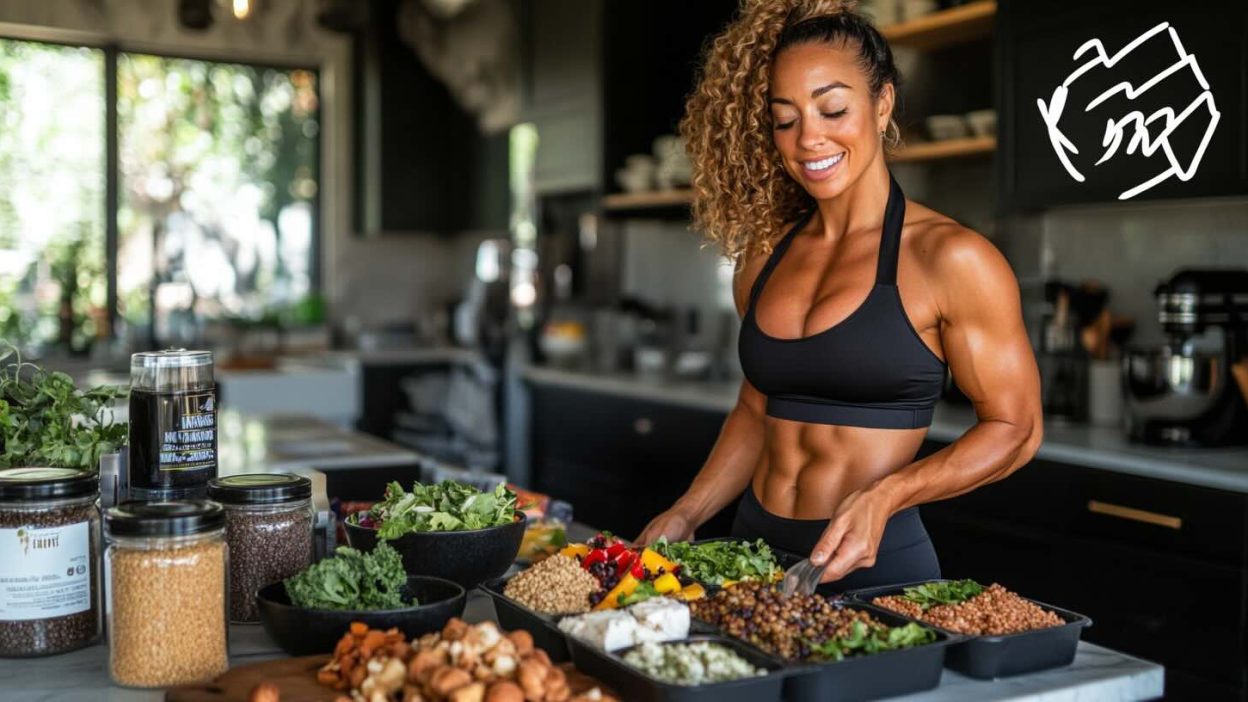
To ensure adequate protein intake, vegan bodybuilders can adopt various strategies. First, meal planning is essential, allowing for the inclusion of diverse protein sources in each meal. It is advisable to incorporate a protein source into every meal and snack, such as adding legumes to salads, using nut butter on whole-grain toast, or blending protein powder into smoothies. Additionally, preparing meals in advance can help maintain consistent protein intake throughout the week. Lastly, staying educated about vegan protein sources and experimenting with recipes can make the process enjoyable and effective.
How to Track Protein Intake on a Plant-Based Diet?
Tracking protein intake on a plant-based diet can be accomplished using various tools and apps that allow individuals to log their food consumption. Many apps provide nutritional information, including the amount of protein per serving, making it easier to gauge daily intake. Keeping a food diary can also help individuals identify patterns and areas where they may be falling short on protein. By being proactive and aware of their dietary choices, vegan athletes can ensure they’re consistently meeting their protein needs for muscle building.
Are There Any Risks of Insufficient Protein for Vegans?
Insufficient protein intake can pose risks for vegans, particularly those engaged in resistance training or seeking to gain muscle. A lack of protein can lead to muscle loss, impaired recovery, and decreased performance. Moreover, inadequate protein can hinder muscle protein synthesis, essential for muscle growth and repair. It is crucial for vegans to prioritize their protein intake and ensure they follow a well-rounded vegan diet that includes a variety of protein-rich foods. By doing so, they can minimize the risks associated with low protein consumption and continue to make gains in muscle mass effectively.