
Isolation exercises target a single muscle group, helping you sculpt, strengthen, and correct imbalances with precision. They’re ideal for beginners learning control, bodybuilders chasing definition, or anyone in recovery. In this guide, I’ll break down how they work, when to use them, and which ones deliver the best results.
Definition of Isolation Exercises
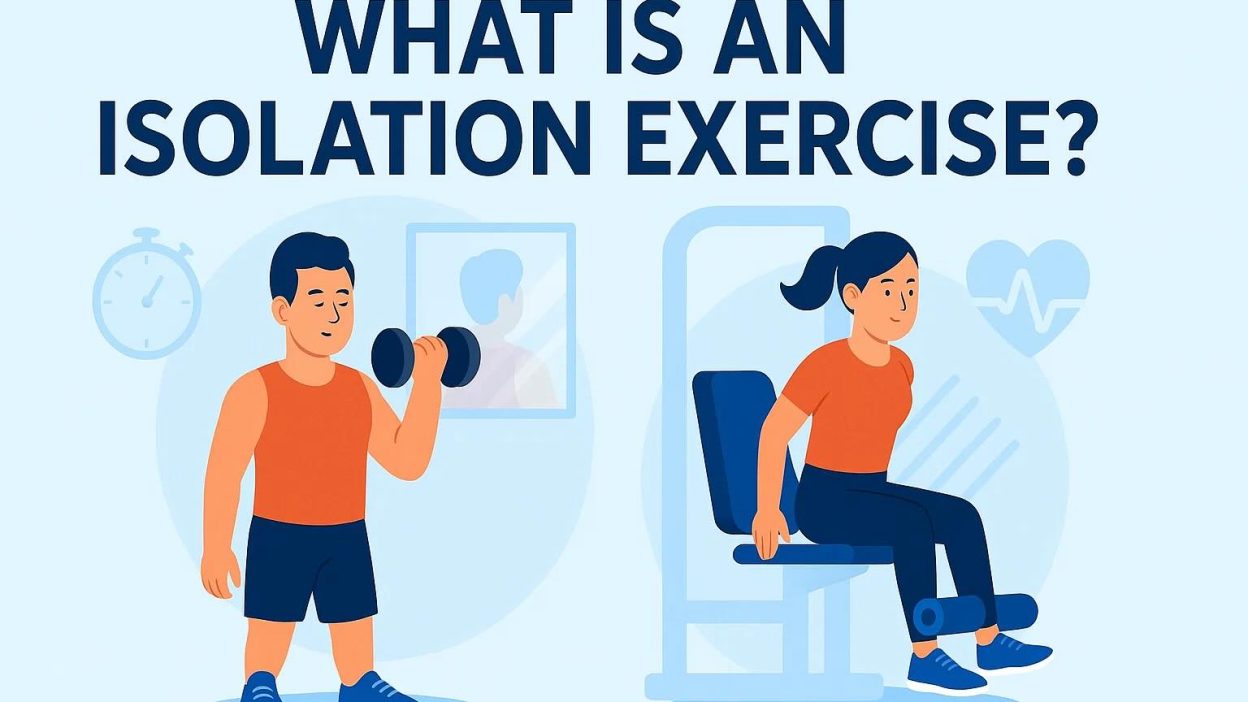
Isolation exercises are movements that target just one muscle group at a time by involving a single joint. Think of them as laser-focused lifts—no tagalongs, no extra help from other muscles.
Unlike compound movements that recruit multiple areas, isolation exercises zone in on one specific muscle to build strength, shape, or fix imbalances. Because they require minimal joint action, they’re easier to control and perfect—great for beginners or fine-tuning a lagging area.
Classic examples include:
- Bicep curls – target the biceps through elbow flexion.
- Leg extensions – isolate the quadriceps using the knee joint.
- Calf raises – zero in on your calves through ankle movement.
In all cases, isolation exercises emphasize slow, steady, and controlled form. No momentum, no swinging—just precise engagement where it counts.
How Isolation Exercises Work
Isolation exercises work by focusing on a single muscle with minimal help from surrounding muscle groups. For example, a bicep curl hits the biceps hard—without dragging in your shoulders or back.
Because they only involve one joint, isolation moves let you fine-tune muscle engagement. They’re usually performed with lighter weights and higher reps to maximize control and avoid cheating the movement.
You can do them with:
- Machines – great for beginners and rehab work
- Free weights – more versatile, adds natural range of motion
- Cables or resistance bands – ideal for constant tension and smooth reps
Whether you’re rehabbing, sculpting, or correcting a weak spot, isolation training keeps the spotlight on one muscle—and one muscle only.
Common Isolation Exercise Examples
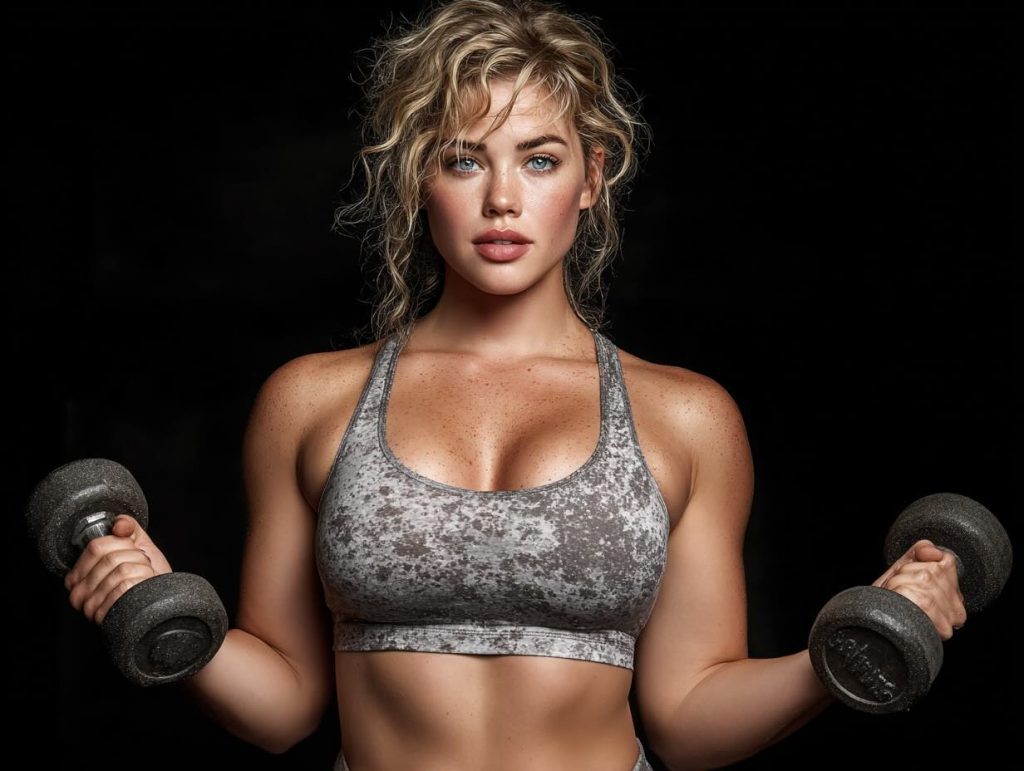
Isolation exercises can be split into upper body, lower body, and core categories. Each move targets just one major muscle group—perfect for building definition, improving symmetry, or strengthening a weak spot.
Upper Body
- Bicep Curls – Work the biceps using elbow flexion. Can be done with dumbbells, barbells, or cables.
- Tricep Kickbacks – Target the triceps with a controlled arm extension. Best with light dumbbells or cables.
- Lateral Raises – Isolate the deltoid muscles for shoulder shape and strength.
- Pec Deck Machine (Chest Fly) – Focuses on the chest without heavy pressing. Great for muscle shaping.
Lower Body
- Leg Extensions – Hit the quadriceps directly by extending the knees against resistance.
- Leg Curls – Target the hamstrings with a bending knee motion. Often done lying or seated on a machine.
- Calf Raises – Strengthen and define the calf muscles by lifting your heels off the ground.
Core and Others
- Crunches – Focus solely on the abdominal muscles. Great for core activation.
- Wrist Curls – Isolate the forearms using wrist movement. Useful for grip strength and muscle detail.
Isolation vs Compound Exercises

Before you build an effective workout routine, you need to understand the difference between isolation and compound exercises. Each style serves a unique purpose—one hones in on a particular muscle group, while the other recruits your entire system into action.
Isolation exercises are single-joint exercises that focus on one muscle group at a time—like bicep curls or leg extensions. These movements are great for targeting individual muscle groups, correcting imbalances, and bringing out definition. Isolation exercises may also be recommended for injury recovery or post-rehab training.
In contrast, compound exercises are also called multi-joint movements. These lifts—like squats, deadlifts, and pull-ups—recruit multiple muscle groups at once. This makes compound exercises the go-to for building strength, coordination, and size efficiently. Plus, many compound exercises bring bonus cardiovascular benefits too.
If you’ve ever done a deadlift correctly—stand with your feet hip-width apart, keep your back flat, grip on the bar, and slowly lower the bar—you know it hits every muscle in your body. That’s what makes compound exercises so powerful.
| Isolation | Compound |
|---|---|
| Targets 1 muscle | Targets 2+ muscles |
| Single-joint | Multi-joint |
| Used for detail or rehab | Used for strength & function |
| Example: Bicep Curl | Example: Deadlift or Pull-Up |
Now here’s the key: don’t choose one over the other. Use a combination of compound and isolation lifts. Start your workout with compound exercises first to hit major muscle groups, then finish with isolation work to fine-tune a particular muscle group.
Need more definition in your arms? Hold a dumbbell, lift the weight to shoulder height, then slowly lower—classic isolation work. Want full-body strength? Perform compound lifts like squats and presses with control. The benefits of compound exercises lie in their ability to build full-body power, while the benefits of isolated exercises are all about control, precision, and detail.
Bottom line? Isolation and compound moves aren’t rivals—they’re training partners. Smart lifters use compound lifts for mass and function, then plug in isolation work for symmetry and polish.
Top Benefits of Isolation Exercises
Isolation exercises aren’t just for bodybuilders—they’re powerful tools for anyone looking to fine-tune their fitness. Here’s why they deserve a place in your routine:
- Precision: They zone in on one muscle, making it easier to strengthen a weak spot or focus on a lagging area.
- Symmetry: By training each side individually, you can fix imbalances and create a more balanced, athletic look.
- Rehabilitation: Isolation movements are often safer during injury recovery because they limit joint stress and focus on controlled activation.
- Definition: Want muscle detail and sharp lines? Isolation lifts are ideal for sculpting specific muscles.
- Control: With less movement involved, it’s easier to perfect your form and build mind-muscle connection.
Whether you’re dialing in aesthetics or working through rehab, these exercises bring precision and purpose to your workouts.
When to Use Isolation Workouts
While compound lifts lay the foundation, isolation exercises play a key supporting role. Here’s when I find them most helpful:
- As accessory lifts: After big compound moves like squats or presses, isolation work helps polish and strengthen individual muscles.
- During rehab or recovery: Isolation training reduces joint strain, making it ideal for rebuilding strength after an injury.
- To fix imbalances: If one side’s lagging or a specific muscle is underdeveloped, isolation helps correct the issue with precision.
- For bodybuilding or sculpting: When aesthetics matter, isolation lifts allow targeted muscle growth and cleaner definition.
Think of isolation work as the detail brush to your fitness masterpiece—it sharpens, balances, and enhances what you’ve already built.
How to Add Isolation Moves to Your Routine
Adding isolation exercises to your workout isn’t complicated—it just takes a bit of strategy. Here’s how I like to fit them in without overdoing it:
- Place them after major lifts: Start your session with compound exercises like squats, deadlifts, or bench presses. Save isolation work for later, when your muscles are warm and pre-fatigued.
- Stick to 2–4 isolation moves per session: This keeps your workouts focused and prevents burnout, especially if your goal is strength or muscle growth.
- Go for 3 sets of 10–15 reps: This range is ideal for muscle control, hypertrophy, and clean form—especially when you’re chasing definition.
- Use supersets or drop sets: Want more intensity without spending extra time? Pair isolation moves back-to-back or lower the weight mid-set to keep muscles under tension longer.
Isolation exercises work best when they complement—not replace—your foundational lifts. Use them to finish strong and focus your effort where it counts most.
Equipment for Isolation Training

Isolation exercises don’t need a ton of gear, but the right tools can make a big difference in how your muscles activate and respond. Here are some go-to options I use for effective single-muscle training:
- Dumbbells: Perfect for exercises like bicep curls, lateral raises, and tricep kickbacks. They allow natural movement and help correct imbalances.
- Cable machines: Provide constant tension, ideal for controlled isolation work like cable flys or tricep pushdowns.
- Resistance bands: Lightweight, portable, and versatile. Great for at-home workouts and rehab exercises.
- Selectorized gym machines: Machines like leg extensions or pec decks guide your motion, making them beginner-friendly and safe for rehab.
- EZ curl bars or preacher benches: Designed to isolate the biceps and reduce wrist strain during curls or extensions.
Mix and match these tools based on your goals, experience level, and access—whether you’re at the gym or training from home.
Common Mistakes to Avoid
Isolation exercises are valuable—but they’re not magic. Misusing them can stall your progress or even lead to injury. Here are some common pitfalls I see and how to sidestep them:
- Over-prioritizing isolation over compound lifts: Isolation moves are great for detail work, but they can’t replace full-body exercises like squats, deadlifts, and presses. Build your base first.
- Using too much weight and sacrificing form: These exercises are about control, not ego. Going too heavy often leads to sloppy reps and lost effectiveness.
- Neglecting full-body training or function: Don’t chase aesthetics at the expense of mobility or strength. Isolation should support—not replace—functional fitness.
- Not resting enough between sets: Even though they’re smaller movements, muscles still need time to recover. Rushing your sets can reduce results and increase fatigue.
Get the most from isolation training by using it smartly—support your big lifts, train with intention, and focus on clean execution every time.
Q: What are isolation exercises?
A: Isolation exercises are movements that target a specific muscle group, allowing you to focus on strengthening that particular muscle without involving multiple muscle groups. Examples include curls for the biceps and leg extensions for the quadriceps.
Q: How do isolation exercises build strength?
A: Isolation exercises build strength by allowing you to concentrate on a specific muscle group, enabling you to lift heavier weights or perform more repetitions with that muscle. This targeted approach can lead to increased muscle hypertrophy and strength over time.
Q: What is the difference between compound and isolation exercises?
A: Compound exercises involve multiple muscle groups and joints, such as squats and deadlifts, while isolation exercises focus on a single muscle group, like bicep curls. Both types of exercises have unique benefits and can be incorporated into a workout program for balanced training.
Q: Can isolation exercises help with muscle imbalances?
A: Yes, isolation exercises can help correct muscle imbalances by allowing you to focus on strengthening weaker muscles. For instance, if your glutes are underdeveloped compared to your hamstrings, adding isolation exercises for the glutes can improve overall balance and strength.
Q: How many isolation exercises should I include in my workout plan?
A: The number of isolation exercises you should do per workout depends on your training goals and overall plan. Generally, 2-4 isolation exercises targeting different specific muscle groups can be beneficial for muscle development and balance.
Q: What are the benefits of including isolation exercises in my training plan?
A: The benefits of isolation exercises include improved muscle definition, enhanced strength in specific muscle groups, and the ability to target and correct weaknesses or imbalances. They also allow for focused recovery of specific muscles while other muscle groups rest.
Q: What are some of the best isolation exercises to include?
A: Some of the best isolation exercises include bicep curls for the biceps, tricep extensions for the triceps, leg curls for the hamstrings, and lateral raises for the shoulders. Incorporating these exercises can complement your compound and isolation routine effectively.
Q: Do isolation exercises burn more calories than compound exercises?
A: Generally, compound exercises burn more calories due to the involvement of multiple muscle groups. However, isolation exercises can still be effective for muscle growth and toning, which can contribute to overall calorie burn in a comprehensive training plan.
Q: Should I prioritize compound or isolation exercises in my workouts?
A: A balanced workout program typically includes both compound and isolation exercises. Compound exercises can help build overall strength and mass, while isolation exercises can enhance definition and target specific muscle groups. A combination of both is often the most effective approach.