
BLE fitness sensors are changing how we track workouts. From running to rowing, these Bluetooth Low Energy devices connect seamlessly to apps and wearables. In this guide, I’ll break down how BLE works, why it matters, and which types of sensors are best for each sport or goal.
What Does BLE Mean in Fitness Tech?
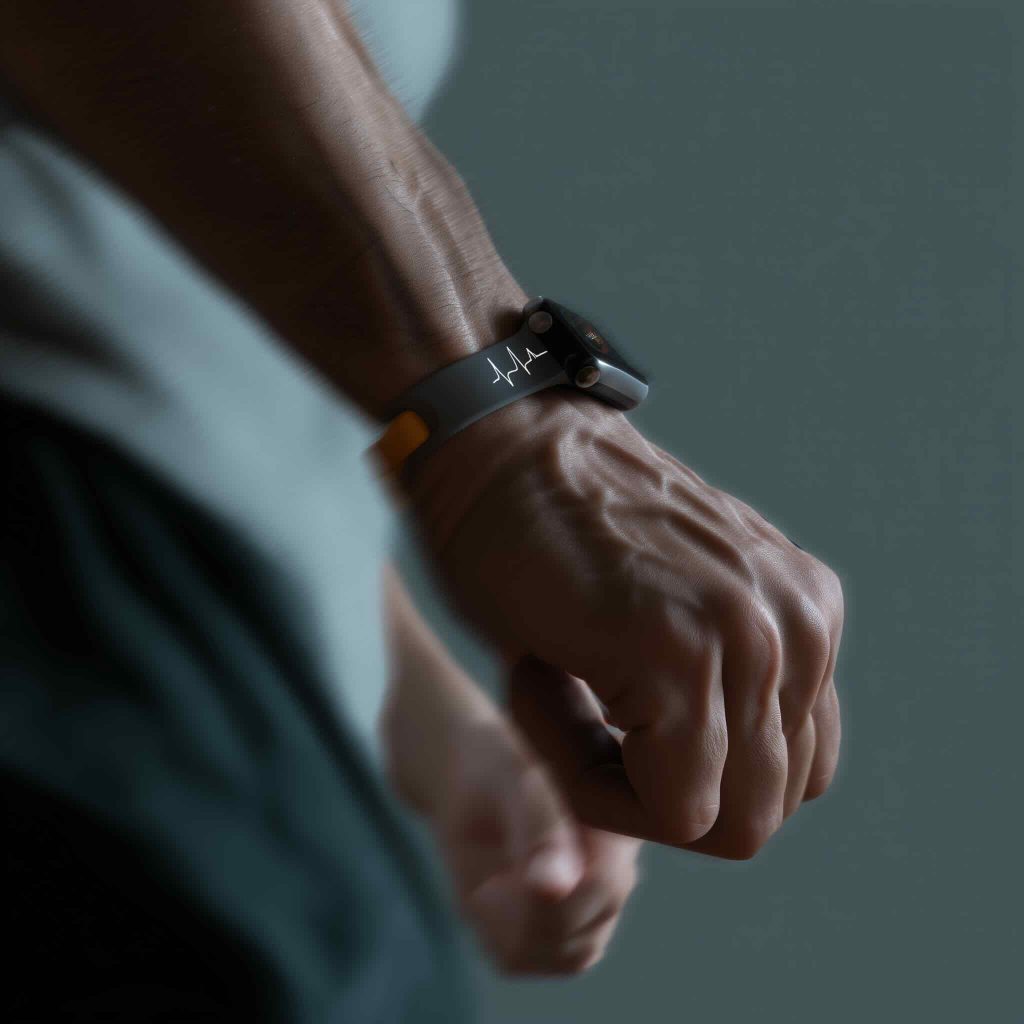
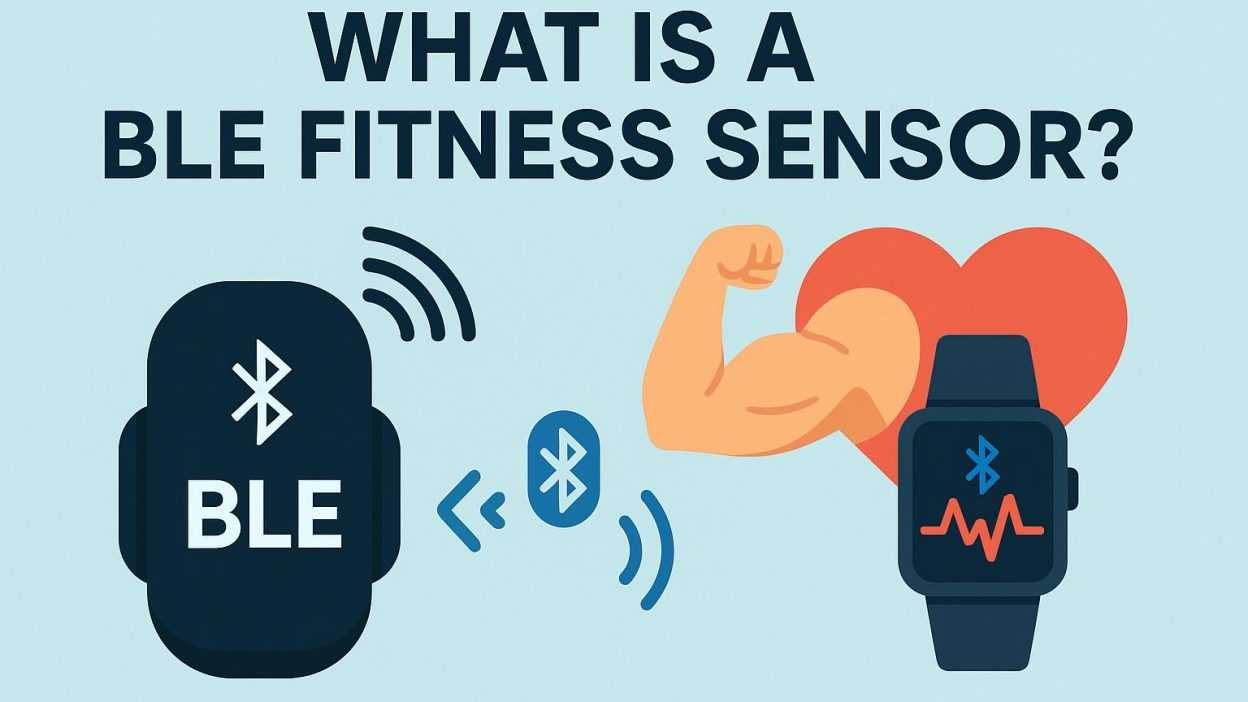
BLE stands for Bluetooth Low Energy, and it’s exactly what it sounds like—a version of Bluetooth designed to use less power. While regular Bluetooth (called Bluetooth Classic) is great for streaming music or connecting headphones, it’s not ideal for small fitness sensors that need to run for days or weeks without draining the battery.
Here’s the key difference: Bluetooth Classic keeps a constant connection and uses more energy. BLE, on the other hand, sends short bursts of data and then goes quiet. That makes it perfect for things like heart rate monitors, bike sensors, or sleep trackers that need to last a long time without charging.
Why does this matter for fitness? Well, BLE is what lets your chest strap or cadence sensor connect quickly and stay connected without interruptions. It pairs fast, syncs in real time, and doesn’t suck the life out of your device—or your phone’s battery.
For example, when I go for a run, I use a BLE heart rate monitor that syncs with the Strava app on my phone. It connects automatically, tracks my heart rate throughout the workout, and uploads the data without me lifting a finger. That’s the magic of BLE—it just works.
How Do BLE Fitness Sensors Work?
BLE fitness sensors use a short-range radio frequency to wirelessly send data to your phone, smartwatch, or bike computer. Unlike traditional Bluetooth, BLE sends quick bursts of information without staying constantly connected. That’s how it keeps energy use low and battery life long—perfect for fitness tracking gear.
Once you pair a BLE sensor with your device or app, it usually connects automatically the next time you work out. There’s no need to keep re-pairing or fiddling with settings. Just turn it on, start your workout, and the data starts flowing.
Most sensors work seamlessly with fitness apps like Strava, Zwift, or Wahoo. And some can even send data to multiple devices at once. For example, I’ve used my BLE chest strap to send live heart rate data to Zwift on my iPad and my Wahoo Bolt bike computer at the same time—no cables, no confusion.
It’s this real-time, low-hassle syncing that makes BLE sensors such a solid choice for any sport or training setup.
Main Types of BLE-Compatible Fitness Sensors
Bluetooth Low Energy sensors come in all shapes and sizes. Whether you’re lifting weights, logging miles, or swimming laps, there’s a BLE device that can track what you need without slowing you down. Let’s break down the main types.
1. BLE Heart Rate Monitors

Chest straps like the Polar H10 and Wahoo TICKR are gold-standard when it comes to heart rate accuracy. They sit directly over your heart and use electrical signals to give precise readings—even during high-intensity workouts.
Armbands such as the Scosche Rhythm+ or Wahoo TICKR FIT are more comfortable and easier to wear. They use optical sensors on the forearm and work well for most steady-state activities.
Pros of chest straps: top-tier accuracy, consistent under stress, better for interval training.
Pros of armbands: more comfortable, easier to put on, no chest compression.
Compared to wrist-based optical sensors (like those on smartwatches), BLE chest and armband monitors tend to be far more accurate—especially during fast-paced or uneven workouts.
2. BLE Cadence and Speed Sensors (Cycling)

These are usually small pods you attach to your bike’s crank, pedal, or wheel hub. Cadence sensors track pedal revolutions per minute (RPM), while speed sensors measure how fast your wheel turns.
You can easily pair them with cycling computers like Garmin Edge, Wahoo ELEMNT, or virtual training apps like Zwift. They’re essential for indoor training and serious outdoor data tracking.
3. BLE Power Meters (Cycling)
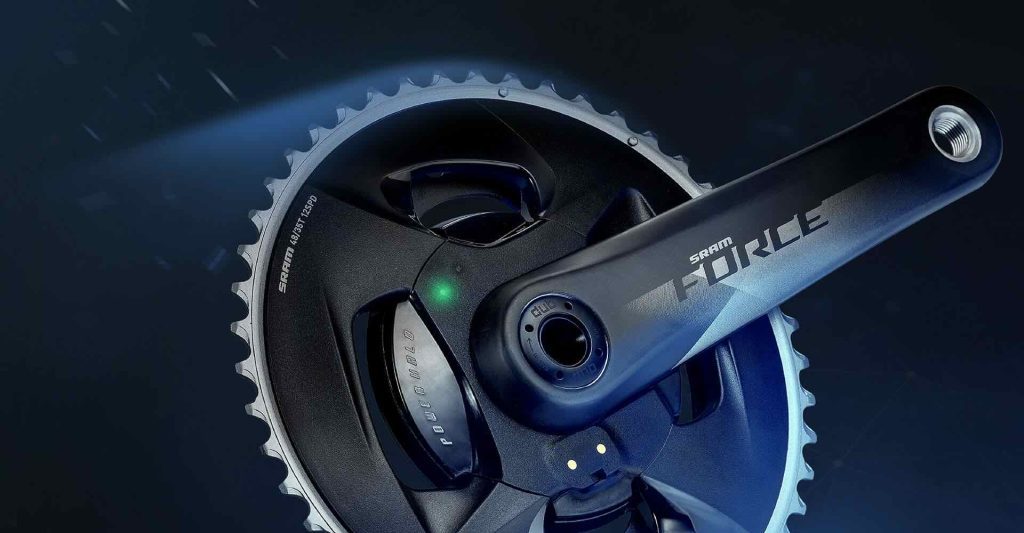
Power meters measure how much force you’re putting into your pedals. They come in several forms—crank-based, pedal-based, and hub-based.
BLE power meters stream real-time watt data to your bike computer or app. This lets you train by power zones, monitor fatigue, and get laser-precise about your cycling performance.
4. BLE Footpods and Running Sensors

These clip onto your shoe and track advanced running metrics. Models like the Stryd footpod and Garmin Running Dynamics Pod go beyond pace and distance.
They measure cadence, stride length, vertical oscillation, ground contact time, and even running power. Runners use them to fine-tune technique or train without GPS (e.g., treadmill or trail).
5. BLE Smart Scales

Smart scales don’t just show your weight—they also estimate body fat, muscle mass, water %, and bone density. BLE-enabled models like the Withings Body+ or Garmin Index send data to your fitness app automatically after each weigh-in.
Perfect for tracking long-term progress without manually logging your stats.
6. BLE Strength Training Sensors
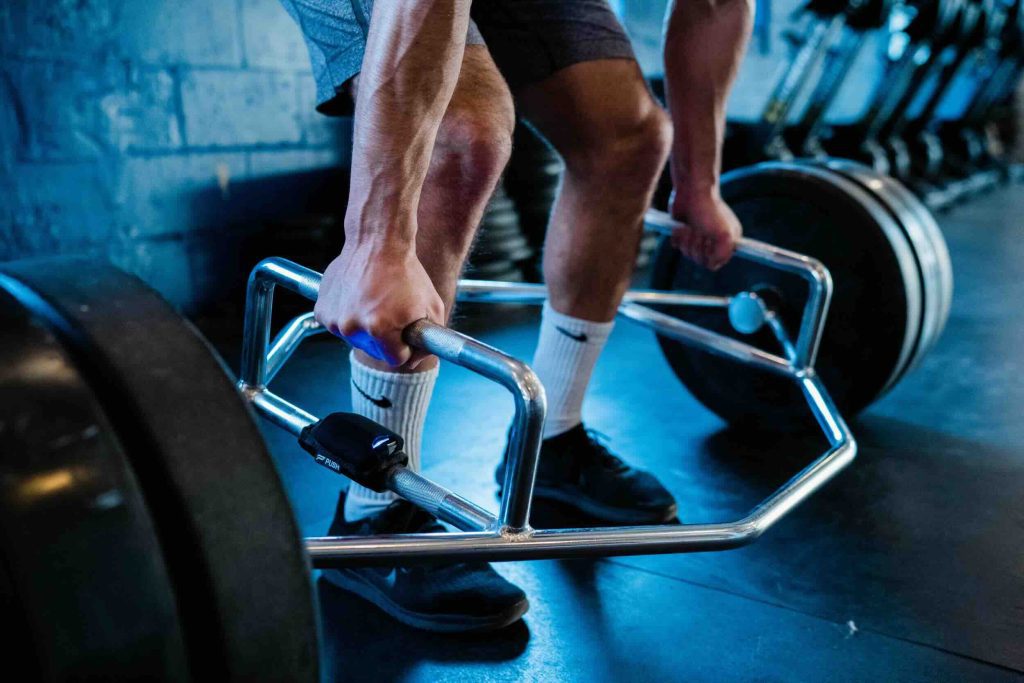
If you lift, these sensors are game-changers. Devices like the PUSH Band or Beast Sensor strap to your arm or barbell to track reps, velocity, bar speed, and force.
They’re especially popular among strength coaches and athletes focused on velocity-based training (VBT).
7. BLE Recovery & Sleep Trackers
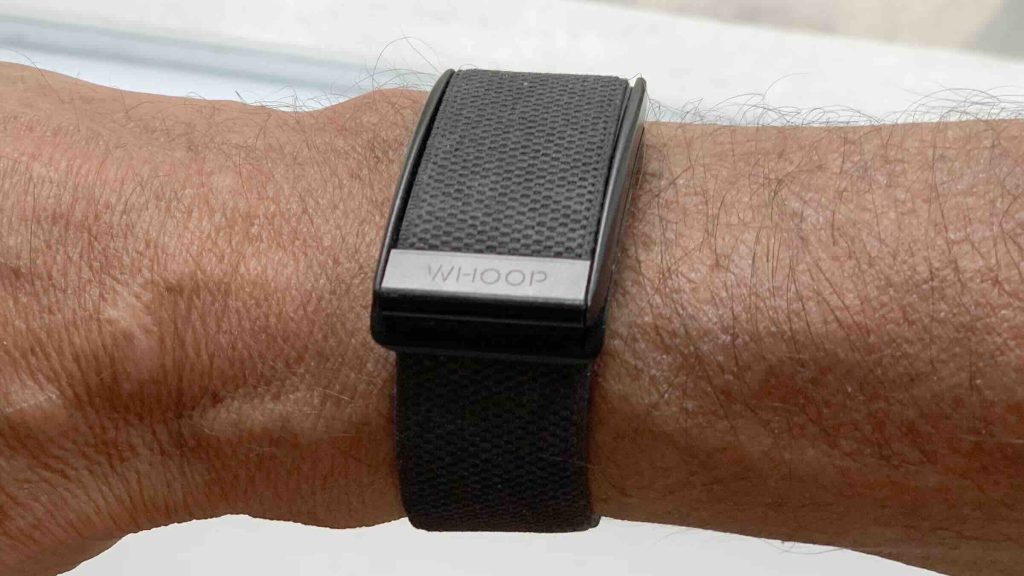
Recovery is just as important as training. Devices like the Whoop Strap and Oura Ring track HRV (heart rate variability), sleep quality, strain, and recovery readiness.
They use BLE to push your daily scores and insights to your phone so you know when to push—and when to rest.
8. BLE Swimming Sensors
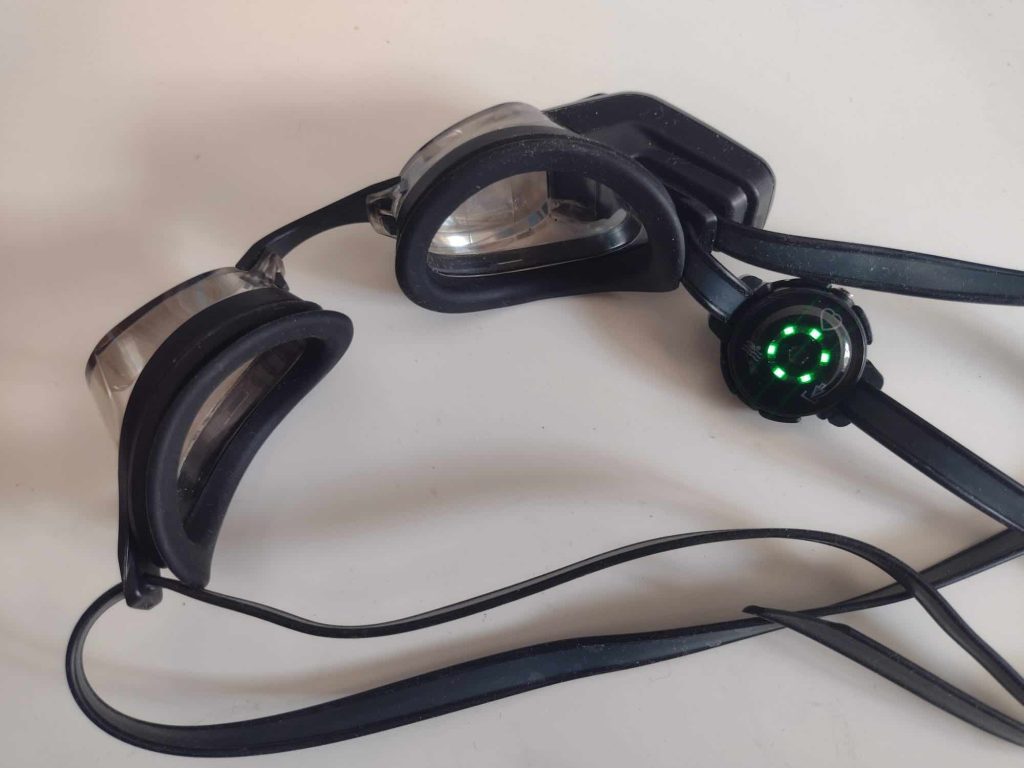
Swimming with accurate sensors used to be tricky, but BLE has helped bridge the gap. Waterproof HR monitors like the Polar Verity Sense use optical sensors that can handle pool or open water sessions.
Some swim trackers also measure stroke count, tempo, lap splits, and SWOLF, giving serious swimmers the data they need to level up.
9. Bluetooth Golf Swing Sensors
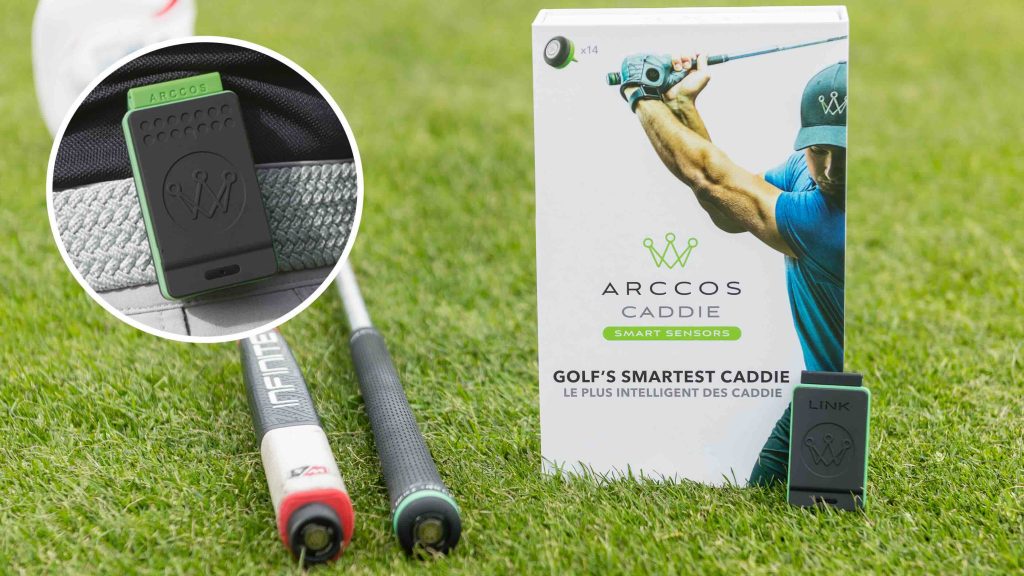
Golfers now have access to smart sensors that make tracking their swing as precise as tracking a heartbeat. Devices like the Arccos Caddie Smart Sensors and Blast Motion Golf Trainer attach to your club or glove and use Bluetooth to send swing data straight to your phone.
These sensors measure swing speed, face angle, tempo, and club path, giving golfers instant feedback with each stroke. Some models also integrate with GPS maps of golf courses to offer shot-by-shot insights and club recommendations.
For even deeper analysis, launch monitors like the Garmin Approach R10 use Bluetooth and radar to deliver ball speed, spin rate, and launch direction, making them ideal for both driving range practice and home simulators.
BLE vs ANT+ vs WiFi: What’s the Difference?
If you’ve shopped for fitness sensors, you’ve probably seen the terms BLE, ANT+, and WiFi. Each one connects your gear to your devices, but they’re built for slightly different purposes. Here’s how they stack up.
Bluetooth Low Energy (BLE)
BLE is the most common and beginner-friendly option. It’s native to both iOS and Android, pairs quickly, and works with nearly all modern fitness apps. Think of it as the “plug-and-play” option—great for heart rate monitors, smart scales, or cadence sensors. It usually connects to one app or device at a time, although some newer sensors support multi-channel BLE.
ANT+
ANT+ used to be the go-to for Garmin and other sports-focused devices. Its standout feature is the ability to broadcast to multiple receivers at once. For example, your HR strap could send data to a bike computer and a watch simultaneously. ANT+ isn’t supported natively on most smartphones, though, which means you’ll need extra hardware or a compatible device.
WiFi
WiFi offers higher data throughput and is common in smartwatches, treadmills, or smart gym equipment. It’s perfect for syncing large files—like GPS routes or full workouts—quickly to the cloud. But for real-time metrics like heart rate or cadence, BLE or ANT+ is still more responsive and battery-friendly.
Quick Tip: If you’re using a smartphone or tablet as your main fitness tracker, BLE is your best bet. If you’re syncing with multiple devices or using a dedicated bike computer, ANT+ might still have the edge.
Top BLE-Compatible Fitness Apps
One of the best things about BLE fitness sensors is how easily they connect to popular apps. Whether you’re riding indoors, tracking outdoor runs, or lifting in the gym, there’s an app ready to sync and start recording. Here are some of the most BLE-friendly fitness platforms I’ve personally used or tested.
Zwift
Zwift is a virtual training app for cycling and running. It connects to BLE heart rate monitors, power meters, footpods, and speed/cadence sensors. Whether you’re racing on a smart trainer or jogging on a treadmill, Zwift turns it into a fun, gamified workout.
Strava
Strava supports multi-sport tracking—from cycling and running to swimming and strength. You can pair BLE heart rate monitors or sync workouts automatically from devices that support BLE (like Wahoo, Garmin, or Polar). It’s my go-to app for performance history, routes, and social motivation.
Wahoo Fitness
This is one of the most sensor-friendly apps available. Wahoo Fitness supports BLE heart rate monitors, speed/cadence sensors, and power meters. It also works as a bridge to sync your data to platforms like Apple Health, Strava, and TrainingPeaks.
Polar Beat
Polar’s training app pairs smoothly with its own BLE heart rate sensors like the H9 and H10. Great for heart rate zone training, HIIT, and cardio sessions. It also syncs to Polar Flow for deeper performance analysis.
Peloton
Peloton apps and bikes support BLE heart rate monitors and some BLE-compatible third-party sensors. If you’re training with the Peloton app on your phone or tablet, it’s easy to pair your HR monitor and track intensity zones in real time.
Nike Training Club
While it doesn’t connect to every BLE sensor directly, Nike’s app supports Apple Health integration, which can pull in data from your BLE-enabled Apple Watch, heart rate monitor, or smart scale. Ideal for strength, HIIT, and bodyweight sessions.
BLE Fitness Sensor Compatibility Table
| App | Heart Rate Monitor | Cadence/Speed Sensor | Power Meter | Footpod | Smart Scale |
|---|---|---|---|---|---|
| Zwift | ✅ | ✅ | ✅ | ✅ | ❌ |
| Strava | ✅ | ✅ (via devices) | ✅ (via devices) | ✅ (via devices) | ❌ |
| Wahoo Fitness | ✅ | ✅ | ✅ | ❌ | ❌ |
| Polar Beat | ✅ | ❌ | ❌ | ❌ | ✅ (via Polar Flow) |
| Peloton | ✅ | ❌ | ❌ | ❌ | ❌ |
| Nike Training Club | ✅ (via Apple Health) | ❌ | ❌ | ❌ | ✅ (via integrations) |
How to Choose the Right BLE Sensor
Choosing the best BLE fitness sensor depends on your goals, gear, and workout style. Some are built for precision, others for convenience. Here’s how I break it down when picking the right one.
Start With Your Sport
- Running: Go for a BLE heart rate armband or footpod like Wahoo TICKR FIT or Stryd. They’re lightweight, accurate, and pair well with apps like Strava or Zwift Run.
- Cycling: Look for BLE-compatible cadence sensors, speed sensors, or a power meter. I like Wahoo RPM or Garmin Rally pedals.
- Gym/Strength Training: BLE chest straps or strength trackers like PUSH Band give reliable data during lifts or circuits.
- Triathlon or Multisport: Go for a waterproof BLE chest strap like the Polar H10 that works across swim, bike, and run with consistent accuracy.
Balance Accuracy, Comfort, and Budget
If you want precision above all, chest straps are your best bet—especially during HIIT, intervals, or fast-paced activities. For comfort, I lean toward optical armbands or compact footpods. And if you’re on a tight budget, there are plenty of reliable BLE chest straps under $60.
Battery Life: Replaceable vs Rechargeable
Chest straps usually run on coin cell batteries that last 6–12 months. Armbands and footpods often have rechargeable batteries and need a charge every 1–2 weeks. If you hate charging stuff, coin cells win hands down.
Check the Waterproof Rating
Planning to swim or sweat buckets? Look for IPX7 or higher. For example, the Polar Verity Sense is fully waterproof and works for pool training, while cheaper sensors may only be sweat-resistant.
Bottom line: choose a sensor that fits your sport, feels good on your body, and won’t quit halfway through your session. If it pairs fast, lasts long, and keeps your data flowing—you’re good to go.
FAQs
What does BLE stand for in fitness?
BLE stands for Bluetooth Low Energy. It’s a wireless communication technology that allows fitness sensors—like heart rate monitors or speed trackers—to connect to apps and devices using minimal power. It’s perfect for wearables that need to run for hours or days without draining your battery.
Are BLE sensors better than ANT+?
It depends. BLE is better for smartphones and fitness apps because it works on both iOS and Android out of the box. ANT+ can send data to multiple devices at once, which is great for some cycling setups. But for most people using a phone or smartwatch, BLE is the easier and more modern choice.
Can I use BLE sensors with Apple Watch?
Yes, but with some limitations. Apple Watch has built-in BLE support, but it usually connects to Apple’s own sensors or apps. You can use third-party BLE sensors like heart rate monitors or footpods with the right companion apps (such as Zwift or WorkoutDoors).
Do all fitness trackers support BLE?
Most modern fitness trackers do, but not all. Devices from brands like Garmin, Polar, Wahoo, and Fitbit support BLE to some extent. Always check the product specs to confirm BLE compatibility—especially if you want to sync with a specific app or device.
Is BLE secure and reliable?
Yes. BLE uses short-range, encrypted connections, which makes it very secure for fitness tracking. It’s also designed for stability—even in noisy environments like gyms or races. Once paired, BLE sensors typically reconnect automatically and stay linked throughout your workout.
Conclusion
BLE fitness sensors are small, smart, and seriously powerful. Whether you’re running intervals, lifting weights, or spinning indoors, there’s a BLE-compatible device built to track exactly what matters. These tools aren’t just about numbers—they help guide your training, show your progress, and keep you connected to the apps you already love.
With broad compatibility across iOS, Android, and platforms like Zwift, Strava, and Wahoo, BLE sensors make real-time, data-driven training easier than ever. Just pair once, and you’re ready to go.