
Wearing the wrong shoes on the trail or during outdoor workouts can turn a good day into a painful one—fast. In this guide, I’ll show you exactly how to pick the best shoes for hiking and training outdoors, with tips on grip, fit, weather protection, and support.
Why the Right Shoe Matters
Footwear = Foundation
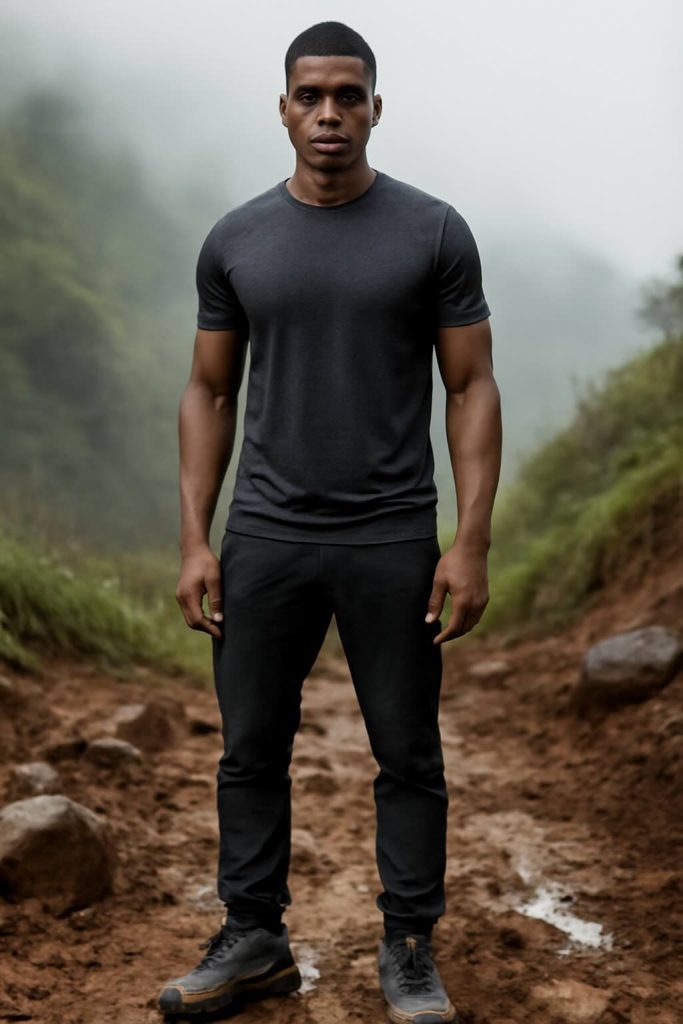
Every step starts from the ground up—your shoes are the bridge between your body and the world beneath your feet. The right pair supports proper alignment, smooths energy transfer, and keeps your stride steady and strong. The wrong ones? They’ll betray you with blisters, rolled ankles, sore knees, or worse.
- Support: Keeps your arches and joints aligned
- Stability: Reduces ankle rolls and foot fatigue
- Energy Transfer: Helps you move efficiently and safely
- Poor Fit Risks: Leads to hotspots, injuries, or painful pressure points
Outdoor Conditions Demand More
Hiking and outdoor workouts throw every element your way—mud, gravel, puddles, heat, and cold. Your shoes need to do more than just look the part. Unlike indoor gym shoes made for flat surfaces, outdoor footwear must grip, flex, and shield you from unpredictable terrain and changing weather conditions.
- Terrain: Uneven, rocky, muddy, or slippery paths
- Exposure: Rain, heat, snow, and everything in between
- Surface Shift: Nature rarely offers a flat, stable surface
- Gym Shoes vs. Outdoor: Gym shoes lack the traction, protection, and durability needed for outdoor challenges
Know Your Activity
Hiking
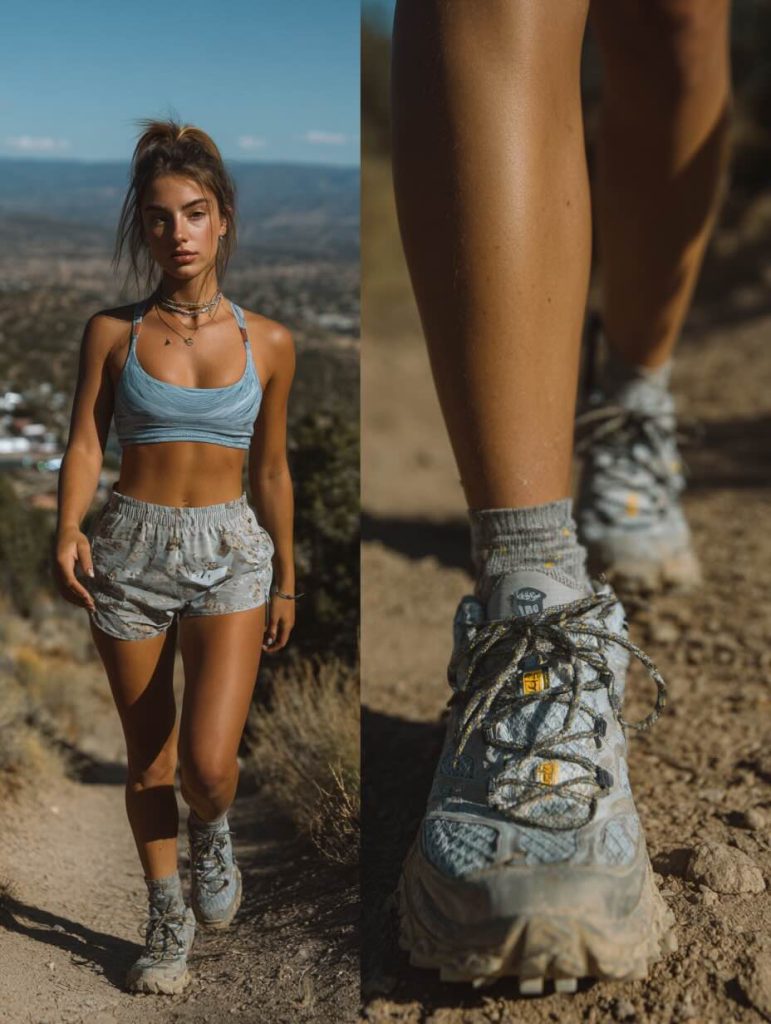
From gravel switchbacks to muddy forest trails and rocky alpine climbs, hiking throws every kind of terrain at your feet. That means your shoes need to be tough, supportive, and ready for impact. Go for hiking boots or mid-cut trail shoes that protect your ankles and handle loose surfaces with ease.
- Terrain Types: Gravel, forest, alpine, mud
- Best Pick: Hiking boots or mid-cut trail shoes
Trail Running
Trail running demands speed, agility, and grip. Whether you’re weaving through wooded trails or dodging roots and rocks, you’ll want a lightweight shoe that doesn’t sacrifice traction. Look for trail runners with grippy outsoles, reinforced toe guards, and a low profile that keeps you nimble on uneven paths.
- What You Need: Lightness, flexibility, and grip
- Best Pick: Trail runners with aggressive lugs
Bootcamp & Outdoor Circuits
If your workouts involve sprints, lateral jumps, burpees, and bodyweight drills on grass or pavement, you need a shoe that’s both stable and responsive. A hybrid training shoe with lateral support and durable tread can handle quick direction changes and give you traction across surfaces.
- Activity Style: Plyometrics, agility, sprint work
- Best Pick: Hybrid trainers with good lateral stability
Urban Exploration
City hikes come with their own challenges—sidewalks, staircases, and grassy patches that test your feet all day. If you walk miles in mixed environments, you’ll want cushioned all-terrain shoes that can handle concrete without beating up your joints and provide just enough grip when you veer off-path.
- Surfaces: Pavement, grass, stairs, city trails
- Best Pick: Cushioned all-terrain trainers
Key Shoe Features to Prioritize

Traction and Outsole Grip
If your shoes can’t grip, they slip. Whether you’re crossing muddy trails or slick rock, traction is your first line of defense. Look for deep, multidirectional lugs that dig into loose terrain. Different conditions call for different treads—wet, dry, or icy paths each demand specialized soles. Trust brands like Salomon Contagrip, Vibram, and Merrell M Select GRIP to get it right.
- Lug Depth & Pattern: Deep for mud, close-spaced for rocks
- Surface Matters: Choose grip by climate—dry, wet, icy
- Top Brands: Salomon Contagrip, Vibram, Merrell M Select GRIP
Stability and Support
Stability starts inside the shoe. A firm heel counter, supportive shank, and dense midsole can save your ankles from rolling. Hiking boots usually give better ankle protection, while low-cut trail runners trade some of that for flexibility. Choose based on how much support your body—and your trail—demand.
- Internal Support: Heel counter, nylon/plastic shank, structured midsole
- Boot vs Runner: Boots = ankle support; runners = mobility
Cushioning and Responsiveness
Rocks don’t care about your joints. That’s where cushioning comes in. EVA midsoles feel softer and lighter—great for agility and trail runs. PU (polyurethane) midsoles last longer and offer firmer protection—ideal for long hikes on rugged ground. Your body will thank you either way.
- EVA Foam: Lightweight, soft, but compresses faster
- PU Foam: Durable, dense, better for rough terrain
- Use Case: Choose based on impact zones and trip length
Waterproofing and Breathability
Waterproof shoes are a lifesaver—until your feet overheat. Gore-Tex (GTX) membranes keep moisture out, but can trap heat on hot days. Mesh uppers breathe better, but soak up rain and dew. Decide what matters more for your environment: dry socks or cool airflow?
- Waterproofing: GTX, eVent, or proprietary membranes
- Breathability: Mesh panels = cooler feet, faster drying
- Trade-Off: Waterproofing reduces airflow—expect warmer feet
Fit and Sizing
The best shoe is useless if it doesn’t fit. Always try shoes with the socks you’ll hike in. Go later in the day when your feet are slightly swollen. Check for toe wiggle room and zero heel lift. A shoe that hugs, not squeezes—that’s the sweet spot.
- Toe Box Width: Enough space to splay without sliding
- Try-On Tips: Wear hiking socks, test at end of day, walk on incline if possible
- Heel Fit: No slippage when laced snug
Different Shoe Types Explained

Hiking Boots
Built like tanks for your feet, hiking boots are made to tackle serious terrain. They support your ankles, protect against rocks and roots, and hold up under the weight of a heavy pack. If you’re trekking through backcountry trails, climbing elevation, or carrying gear, boots are your best bet.
- Pros: Excellent ankle support, rugged durability, ideal for carrying weight
- Best for: Rough terrain, long hikes, backpacking trips
Trail Running Shoes
Light, fast, and built for nimble movement, trail running shoes are your go-to for speed over soft dirt and rocky paths. They hug your feet like a second skin and give you the grip needed to keep your footing. Great for quick hikes, hybrid training, or outdoor cardio work.
- Pros: Lightweight, breathable, aggressive grip for varied surfaces
- Best for: Short hikes, mixed training, running on trails
Hybrid Outdoor Shoes
When you’re training hard outside but not exactly climbing mountains, hybrid shoes step in. They blend support and flexibility, making them perfect for outdoor circuits, HIIT workouts, or bouncing between city pavement and park grass. Think of them as cross-trainers with trail-ready soles.
- Pros: Flexible, versatile, perfect for multi-surface workouts
- Best for: Outdoor bootcamps, light trail runs, park-based HIIT
Comparison Table
| Feature | Hiking Boot | Trail Runner | Hybrid Trainer |
|---|---|---|---|
| Weight | Heavy | Light | Moderate |
| Grip | Deep lugs | Aggressive | Moderate |
| Flex | Low | High | Medium |
| Breathability | Low–Medium | High | High |
Top Brands & Models to Consider
Recommended Hiking Boots
If you’re heading into tough terrain, these boots bring the muscle. They offer strong ankle support, waterproof protection, and reliable traction for long days on the trail.
- Salomon X Ultra 4 Mid GTX – Lightweight, waterproof, and built for fast-paced hikes with technical footing.
- Merrell Moab 3 Mid Waterproof – A trail favorite with a cushy fit and solid grip, ideal for all-day wear and varied terrain.
Recommended Trail Runners
For speed, agility, and comfort underfoot, these trail runners deliver. Whether you’re hitting short hikes or grinding out miles, they give you grip without the bulk.
- HOKA Speedgoat 5 – Soft cushioning with fierce traction for long-distance trail runs or fast hikes.
- Brooks Cascadia 17 – A stable ride with rock plate protection and adaptive grip for changing surfaces.
Best Hybrids for Outdoor Workouts
Need something that can do it all—run, jump, lunge, climb? These hybrid trainers bring gym performance to the great outdoors without missing a beat.
- Inov-8 F-Lite G 300 – Built for strength training and outdoor circuits, with serious grip and stability.
- Nike Wildhorse 8 – A rugged shoe that mixes cushioned comfort with trail-ready toughness, perfect for hybrid workouts.
Note: For the best prices and latest models, check listings on REI or Backcountry. All links are affiliate-supported.
Socks, Insoles & Accessories
Pairing the Right Socks
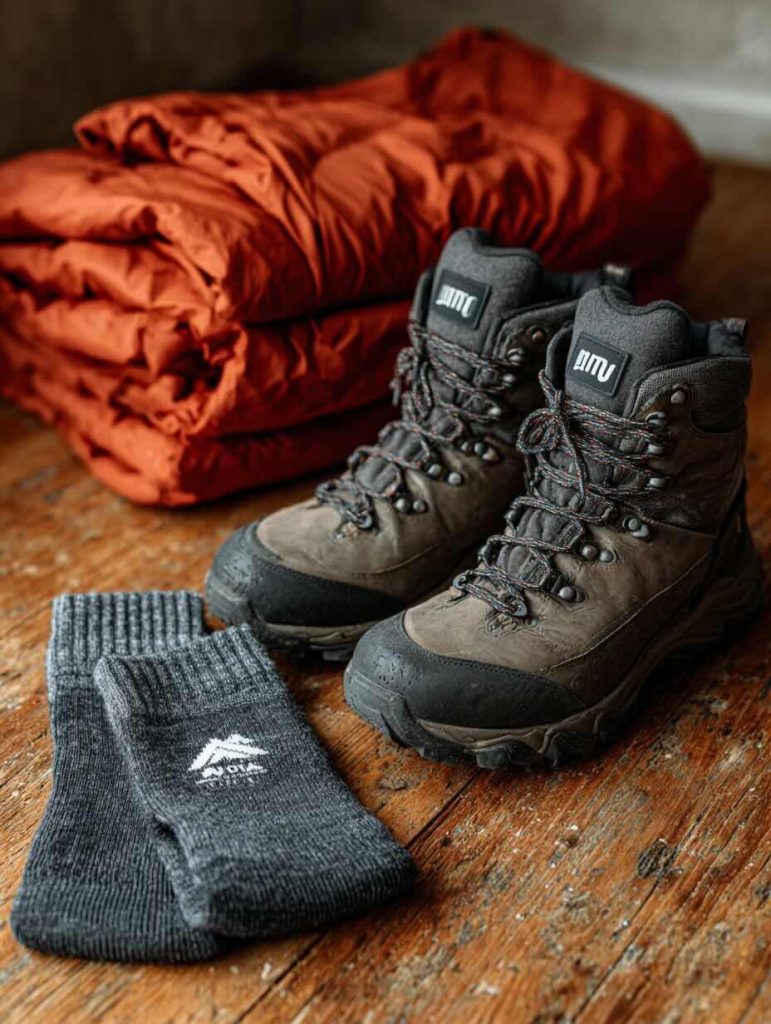
Even the best hiking shoes won’t save you from blisters if your socks aren’t pulling their weight. I always reach for Merino wool or synthetic performance blends—they wick moisture, regulate temperature, and hold their shape on long days. Steer clear of cotton, though. It traps sweat and friction, turning your hike into a foot fiasco.
- Best Choices: Merino wool or synthetic performance socks
- Avoid: Cotton socks (they hold moisture and cause blisters)
Insoles for Extra Support
If your shoes fit fine but still feel “off,” the insole might be the missing link. Swapping stock insoles for high-quality ones can dramatically improve arch support, heel stability, and foot alignment—especially on long treks or hard surfaces. I recommend Superfeet or Currex for a reliable upgrade.
- Arch Support: Helps reduce fatigue and prevent overpronation
- Additional Options: Heel cups for shock absorption, metatarsal pads for forefoot comfort
Care Tips
Treat your shoes well and they’ll return the favor. Waterproofing sprays keep your feet dry in damp conditions, while proper drying extends the life of your shoes. After a wet hike, I stuff mine with newspaper or use a boot dryer—never direct heat—to keep them fresh and ready for the next adventure.
- Waterproofing: Use sprays like Nikwax or Granger’s to renew shoe protection
- Drying: Stuff with newspaper or use a boot dryer—avoid heaters
Try Before You Buy: Tips for Fit and Testing
What to Look for In-Store
You don’t need a shoe that just fits—you need one that fits *right*. Always try shoes on with the socks you plan to wear for hiking or training. Check for toe wiggle room, make sure your heel stays locked in place, and adjust the lacing to test pressure. Walk around, climb a stair, pivot—don’t just stand still.
- Toe Box: Room to wiggle without sliding forward
- Heel Lock: No lifting or rubbing when walking
- Lacing: Should feel snug but not tight or pinching
Break-In Periods
Even great shoes need a warm-up. Hiking boots may feel stiff at first and often take 1–2 weeks to mold to your feet. Trail runners break in quicker—usually within a few outdoor sessions. Don’t hit the longest hike of the season straight out of the box.
- Hiking Boots: Break in over 1–2 weeks of short hikes
- Trail Runners: Usually ready after a few light workouts
Return Policies & Warranties
Not every shoe will work out—and that’s okay. Many brands and retailers like REI and Backcountry offer generous return windows, especially if you’re testing shoes for fit. Some even back their products with warranties against defects. Always ask before buying.
- Good Policy Examples: REI’s 365-day return window, Backcountry’s Gearhead support
- Check: Whether you can test outdoors and still return
Final Thoughts
Choosing the right shoes for hiking and outdoor workouts isn’t about trends—it’s about trust. Trusting your footing, your comfort, and your gear to carry you through every climb, sprint, and muddy mile. Before you lace up and head out, remember these key points:
- Know your terrain and training type — Your environment shapes your shoe needs.
- Prioritize traction, fit, and durability — These three make or break outdoor performance.
- Don’t skip good socks and accessories — Small upgrades make a big difference.
- Take your time testing fit — Rushed choices lead to sore feet and regrets.
Explore the recommended models, match your activity to the right design, and give your feet the comfort and confidence they deserve. The trail ahead looks a lot better when you’re sure-footed every step of the way.