

Feeling drained before your workout? You might be fueling wrong—or not at all. In this guide, I’ll show you exactly what to eat and drink before training, when to do it, and how to avoid the mistakes that ruin performance. No guesswork, just fuel that works when you need it.
Why Pre-Workout Fueling Matters

The Science of Fueling
Your body isn’t a machine—it’s a living, breathing engine that runs best when it’s properly fueled. Before a tough workout, here’s what’s happening inside:
- Glycogen is your go-to energy source: Carbs you eat are stored as glycogen in your muscles and liver. This is what your body burns first during high-intensity training.
- Stable blood sugar = stable energy: Eating before a session helps avoid energy crashes by keeping your blood sugar steady from warm-up to cool-down.
- Timing nutrients boosts results: When you eat matters as much as what you eat. Fueling too late or too early can leave you sluggish—or bloated.
What Happens If You Skip It?
Going into a tough workout on empty might sound hardcore, but it usually backfires. Here’s what skipping your pre-workout fuel can lead to:
- Low energy and early fatigue: Without fuel, you’re running on fumes. Your power output and endurance take a serious hit.
- Dizziness, cramps, or nausea: Dehydration and low blood sugar mess with your performance—and your gut.
- Compromised performance and recovery: You’ll lift less, last shorter, and struggle to recover if your muscles don’t have what they need.
In short, no fuel = no fire. Your body can’t give its best when it’s running on empty.
How Long Before a Workout Should You Eat?
General Timing Guidelines
Timing is everything when it comes to pre-workout nutrition. Eat too late, and you’ll feel heavy. Eat too early, and you’ll run out of steam. Here’s a simple breakdown that works for most people:
- 2–3 hours before: Have a full meal with protein, complex carbs, and healthy fat. This gives your body time to digest and convert that fuel into usable energy.
- 30–60 minutes before: Grab a light snack that’s mostly carbs with minimal fat and fiber. You want something easy to digest but still energizing.
Sample Timelines
- Morning workout: If you’re training early, have a small meal or liquid shake as soon as you wake up. Think banana + protein shake or toast with jam.
- Afternoon workout: Eat a balanced lunch 2–3 hours before. If hunger hits close to training, add a quick snack like a rice cake with honey or a handful of dates.
It’s not just about what you eat—it’s when you eat it. Get the timing right, and your body will show up ready to perform.
Best Types of Pre-Workout Carbs
Fast vs. Slow Carbs
Carbs are your main energy source for tough workouts—but not all carbs hit the same. The trick is choosing the right type based on how soon you’re training:
- Slow carbs: Foods like oats, brown rice, and sweet potatoes release energy gradually. These are best 2–3 hours before your workout when you have time to digest fully.
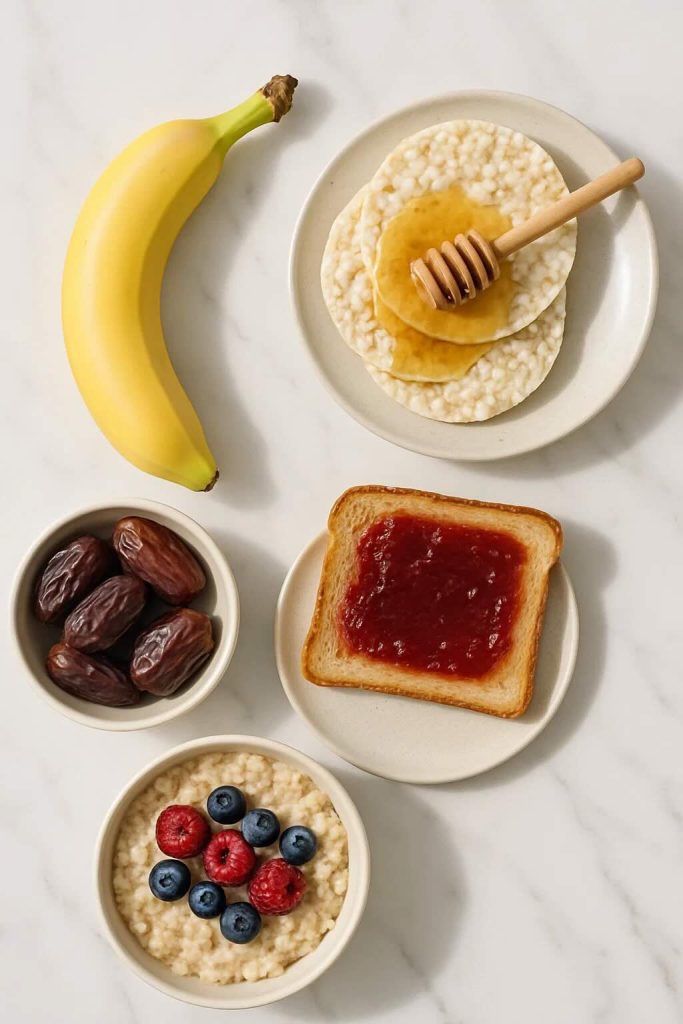
- Fast carbs: Options like bananas, white toast, rice cakes, or dates digest quickly and deliver fast fuel. These are perfect 30–60 minutes before you train.
Examples of Smart Carb Picks
Need ideas? Here are go-to combos that keep me fueled without weighing me down:
- Banana + peanut butter: Quick carbs with a bit of fat to keep you satisfied.
- Rice cake + honey: Light, simple, and fast-digesting for immediate energy.
- Oatmeal + berries: Ideal a couple hours out—slow carbs with natural sugars.
- White toast + jam: Easy to digest, carb-rich, and great before a high-intensity session.
- Medjool dates: Nature’s energy bombs. Portable and perfect for 15–30 minutes pre-workout.
Carbs aren’t the enemy—they’re your energy. Choose the right ones at the right time, and you’ll power through your workout instead of crashing halfway through.
Do You Need Protein Before a Workout?
Why Protein Can Help
Carbs get the spotlight, but protein plays a quiet, powerful role in your pre-workout routine. Here’s why I always try to include some:
- Supports muscle preservation: When you train hard, your body breaks down muscle tissue. Protein helps protect and preserve that lean mass during tough sessions.
- Aids in recovery early: Having protein before training gives your body a head start on recovery. It supplies amino acids while you’re working—not just after.
Good Pre-Workout Protein Options
You don’t need a full steak dinner. Just a little protein goes a long way. Try these easy, balanced combos:
- Greek yogurt + fruit: Smooth, high in protein, and easy to digest. Add honey for fast carbs if needed.
- Protein smoothie (whey or vegan): Blend with banana, oats, or almond milk for a quick fuel boost.
- Hard-boiled egg + toast: A simple, no-fuss option that covers protein and carbs.
- Protein bar (low sugar): Great if you’re short on time—check for clean ingredients and around 15–20g protein.
A bit of protein before your session isn’t just smart—it’s a long-term investment in strength, performance, and recovery.
Hydration: Don’t Skip This Step
Why Pre-Workout Hydration Is Key
Food fuels your muscles. Water powers the engine. If you skip hydration, you’re asking your body to perform on a dry tank. Here’s why staying hydrated before training is non-negotiable:
- Supports temperature regulation: Your body cools itself through sweat. Without enough fluid, you overheat faster and fatigue sooner.
- Prevents cramps and fatigue: Dehydration can cause early muscle fatigue and cramping—especially in high-heat or high-intensity workouts.
- Enhances mental focus: Even mild dehydration dulls your brain, slows your reaction time, and zaps motivation.
What to Drink and When
You don’t need a gallon of water. A simple plan works best:
- Water: Drink 16–20 ounces about an hour before you train. Sip, don’t chug.
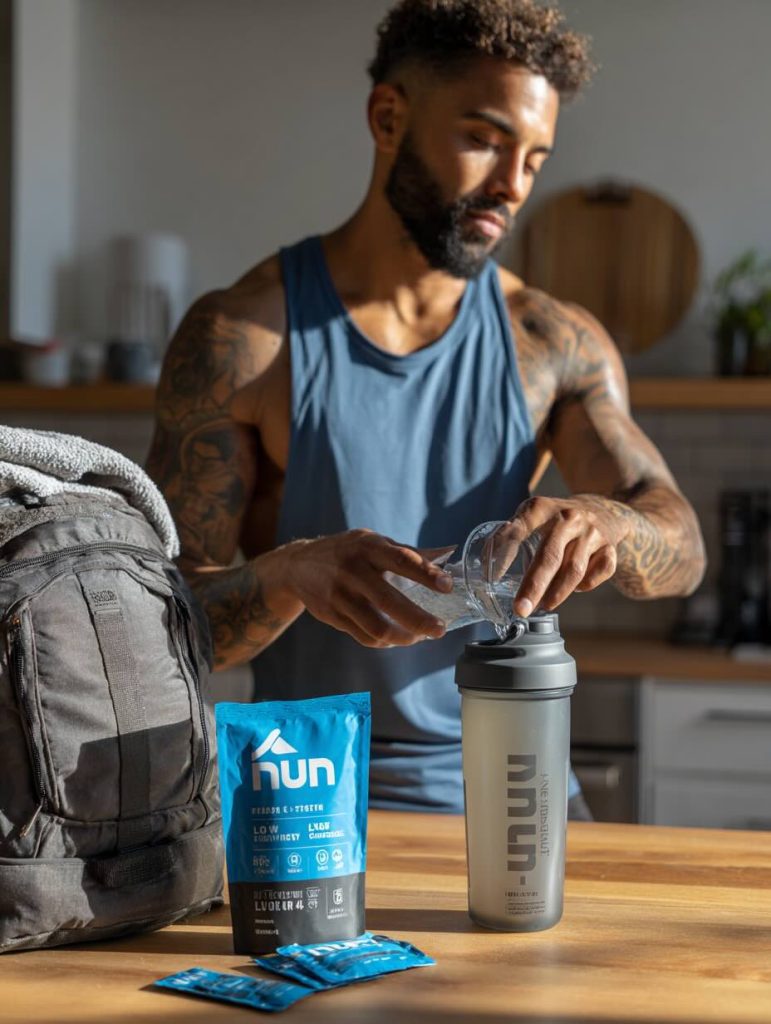
- Electrolytes: For long sessions, hot days, or heavy sweaters, add a packet of LMNT, Nuun, Liquid I.V., or Hydrant to your water for sodium, potassium, and magnesium support.
Hydration isn’t a bonus—it’s part of the workout. Start sipping early, and you’ll feel sharper, stronger, and more in control from the first rep to the last.
Should You Use Pre-Workout Supplements?
When They Help
Some days, food and water are enough. Other times, you need a little extra firepower. Pre-workout supplements are great for:
- Strength days: When you’re lifting heavy and need explosive power.
- Long sessions: For workouts over 90 minutes or back-to-back training blocks.
- Low motivation: When you’re dragging but still want to show up and crush it.
What to Look For
Not all pre-workouts are created equal. Skip the flashy labels and focus on ingredients that work:
- Caffeine (100–200 mg): Increases alertness, focus, and endurance. Go lower if you’re sensitive.
- Beta-alanine, creatine, L-citrulline: These help reduce fatigue, support power output, and improve blood flow.
- Avoid artificial colors and fillers: They add nothing to your performance and may cause bloating or irritation.
If you train hard and want a mental and physical edge, the right pre-workout supplement can make a real difference.
Foods to Avoid Before Training
Some foods weigh you down, bloat your belly, or leave you running for the bathroom mid-workout. Even healthy meals can backfire if you eat them too close to training. Here’s what I always skip before hitting the gym:
- Heavy fats: Foods like sausage, fried eggs, and fast food slow digestion and can make you feel sluggish or nauseous.
- High-fiber foods: Broccoli, beans, and large salads are great for health—but not before a workout. They often cause gas, bloating, or discomfort.
- Large portions: Even clean meals can mess you up if they’re too big and eaten too close to your session. Overeating delays digestion and can cause cramping.
- Alcohol or sugary energy drinks: Alcohol dehydrates and slows reaction time. Energy drinks might give a short buzz but lead to crashes and dehydration if loaded with sugar.
Pre-workout fuel should feel light, energizing, and easy to digest. If it sits like a brick in your stomach, it doesn’t belong on your plate before training.
My Favorite Pre-Workout Combos
Over the years, I’ve tried everything from fasted sessions to full meals before training. These are the combos I keep coming back to—simple, effective, and easy on the stomach:
| Timing | Food | Why It Works |
|---|---|---|
| 2 hours before | Oatmeal + berries + egg whites | Balanced carbs and protein for sustained energy without bloating |
| 1 hour before | Rice cake + banana + almond butter | Quick-digesting carbs with a touch of fat to keep hunger in check |
| 30 minutes before | Medjool dates + whey protein in water | Fast fuel and amino acids without the heavy feeling of a full meal |
Use these as a base and tweak to fit your needs. If you train early, go lighter. If your session is long, lean into carbs. The goal is to walk in fueled—not full.
Tips for Early Morning Workouts

Rolling out of bed and straight into a workout? I’ve been there. When time’s tight and your stomach’s still waking up, fueling smart gets tricky. Here’s how I make early sessions work without crashing halfway through:
- Try a liquid meal: A simple protein shake with fruit juice or a scoop of oats blends fast and digests quickly. It’s light but effective.
- Don’t go fasted if you feel weak: Some people train well fasted, but if you feel lightheaded, it’s a sign your body needs fuel. Even half a banana can help.
- Keep it simple: Stick to 100–200 calories of fast carbs or a shake. Think rice cake with honey, or a date + a little protein.
Early workouts don’t need full meals. They need smart, small bites that give you a boost without slowing you down. Find what your stomach can handle, and keep it consistent.
Conclusion: Fuel With Intention
Great workouts don’t start in the gym—they start in the kitchen. What you eat (and when you eat it) sets the tone for your energy, strength, and focus. Skip the guesswork and fuel with intention. Whether it’s a rice cake and banana or a full meal two hours out, choose what helps you feel ready, not rushed or wrecked.
Your body knows the difference. Fuel smart, train strong, and give yourself the advantage before you even break a sweat.