
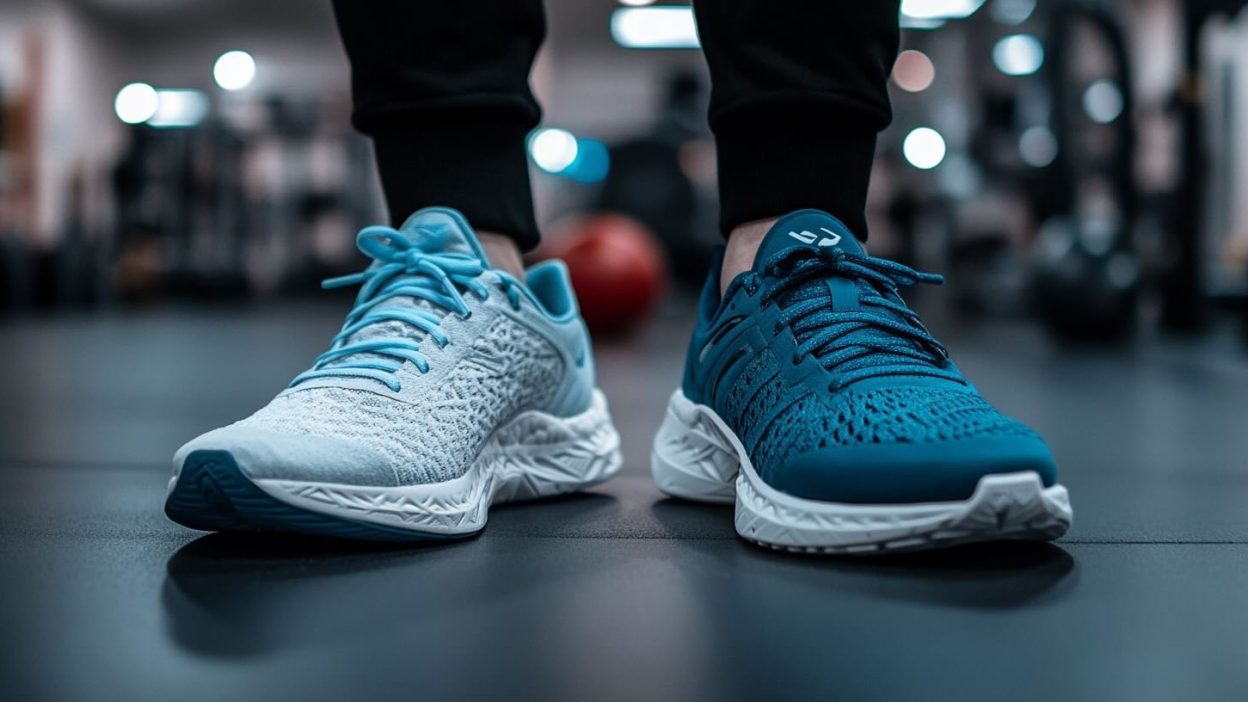
When it comes to selecting the right shoes for your workout regimen, the choice between budget and premium gym shoes can be a significant decision. The right pair of shoes can enhance your performance, provide the necessary support, and prevent injuries. This article dives deep into the differences, benefits, and specifications of budget versus premium training shoes, helping you determine what is truly worth your investment.
What are the differences between budget and premium gym shoes?
Features of budget gym shoes
Budget gym shoes typically prioritize affordability, making them accessible for a wider audience. These shoes often feature simpler designs and are made from basic materials that may lack the advanced technology seen in premium models. For instance, many affordable gym shoes utilize standard mesh for breathability but may not offer the same level of durability as their pricier counterparts. The cushioning in budget shoes is usually less advanced, often relying on traditional foam materials rather than innovative cushioning systems. This can lead to a quicker breakdown of the shoe’s structure, especially under heavy lifting or intense training sessions.
Benefits of premium training shoes
On the other hand, premium training shoes are designed with advanced features aimed at enhancing performance and comfort. These shoes often boast superior cushioning systems, providing excellent shock absorption during high-impact workouts such as plyometrics or running. The midsole technology in premium footwear, like that found in the Nike Legend Essential 3 or Reebok Nano, ensures that the shoe adapts to the underfoot movements, offering support and stability during exercises like deadlifts or cardio routines. Moreover, they tend to have better traction and grip, which is crucial for dynamic movements in workouts, ensuring you stay grounded whether you’re lifting heavy weights or sprinting on the track.
How to evaluate shoe quality
To properly evaluate shoe quality, consider factors such as durability, material composition, and the reputation of the brand. Premium brands like Nike, Reebok, and Puma often invest significantly in research and development, leading to better construction and materials. Look for shoes with reinforced stitching, high-quality outsoles, and reliable heel support. Performance testing is also essential; shoes should be tested for flexibility and stability to ensure they can handle various workout routines. Always remember that a higher price often correlates with better performance, but it’s crucial to assess if those features align with your workout needs.
Are budget gym shoes sufficient for workouts?
Durability and performance of affordable gym shoes
While budget gym shoes can be sufficient for casual exercisers or those just starting their fitness journey, their durability may not hold up against rigorous training. Affordable gym shoes can serve well for light workouts, but they may wear out quickly when subjected to heavy lifting or high-intensity exercises. If you engage in regular weightlifting or crossfit, investing in a more durable pair can save you money in the long run by reducing the need for frequent replacements. However, if you’re engaged in low-impact training or casual exercise, a pair of affordable shoes can suffice.
Best budget gym shoes for weightlifting
For individuals focused on weightlifting, some budget-friendly options stand out. The Reebok Nano v2 is known for its solid construction and stability, making it a great pick for those who prefer a minimalist approach without compromising on performance. Similarly, the Nike MC Trainer provides enough support for various exercises while remaining affordable. Both options offer decent heel height and grip, making them suitable for heavy lifting sessions without breaking the bank.
When to invest in premium footwear
Investing in premium footwear becomes necessary when your workout intensity increases or if you begin to experience discomfort with budget options. If you’re engaging in activities that require significant lateral movements or impact, such as running or plyometrics, the quality of cushioning and support in premium shoes can make a noticeable difference. Additionally, if you find yourself lifting heavier weights or participating in CrossFit, a well-constructed shoe with an optimal outsole can enhance your performance and prevent injuries.
What should you look for in the best gym shoes?
Importance of stability and grip in training shoes
Stability and grip are paramount when selecting the best gym shoes. A shoe that offers excellent grip can prevent slips during workouts, particularly on slick surfaces or when performing high-intensity moves. Look for shoes with a wide outsole design that provides a stable base for lifting and explosive movements. The right level of traction is crucial, especially when you’re performing exercises like squats or deadlifts, as it ensures you maintain your balance and form.
How to choose the right outsole for your workout
The outsole of a training shoe plays a vital role in its performance. For those engaging in multiple workout types, a versatile outsole that combines durability and grip can be beneficial. Rubber outsoles provide excellent traction for both weightlifting and cardio workouts, while a flatter sole can enhance stability during lifts. Evaluate the outsole pattern; deeper grooves can enhance flexibility and grip, making it easier to transition between exercises. The choice of outsole should reflect your primary workout needs, whether it be lifting weights or doing high-impact cardio.
Key brands to consider: Nike, Reebok, and more
When searching for the best gym shoes, consider reputable brands that focus on quality and performance. Nike is renowned for its innovative technologies and offers models like the Nike Legend Essential 3 that combine comfort with performance. Reebok, particularly their Nano series, is celebrated among CrossFit enthusiasts for their durability and stability during intense workouts. Puma also provides affordable options that do not compromise on performance. Each brand brings unique features, so it’s essential to align your choice with your specific training needs.
Do premium gym shoes enhance workout performance?
Impact of cushioning and support on exercise
Premium gym shoes often come equipped with advanced cushioning systems that significantly impact workout performance. The cushioning provided by the midsole can absorb shock, reducing impact on joints during running or high-intensity training. This extra support allows for longer and more comfortable workouts, enabling you to push through fatigue without sacrificing form. A well-cushioned shoe can also enhance recovery by minimizing soreness and strain, making it a worthwhile investment for serious athletes and fitness enthusiasts alike.
Is a higher price tag worth the investment?
Whether a higher price tag is worth it largely depends on your workout habits and goals. If you are someone who regularly engages in intense training, the benefits of premium shoes—such as enhanced stability, durability, and support—can justify the investment. Not only can these features improve your performance, but they can also help prevent injuries, ultimately saving you money on medical expenses. For casual exercisers, however, budget options may suffice, allowing you to maintain a healthy lifestyle without overspending.
Trainers vs. running shoes for different workouts
Understanding the distinction between trainers and running shoes is crucial for optimizing your workout experience. Trainers often provide more stability and support, making them ideal for activities that require lateral movements, such as weightlifting or CrossFit. In contrast, running shoes are designed primarily for forward motion, offering maximum cushioning and flexibility. Choosing the appropriate shoe based on your workout type can significantly affect your performance and comfort levels.
How do specific models compare in terms of price and performance?
Reebok Nano vs. Nike MC Trainer
When comparing the Reebok Nano and Nike MC Trainer, both offer unique advantages for different training styles. The Reebok Nano is particularly favored in the CrossFit community for its stability and versatility, allowing athletes to transition seamlessly between lifting and cardio. Meanwhile, the Nike MC Trainer boasts a lightweight design and excellent cushioning, making it suitable for varied workouts, including plyometrics and weightlifting. Although both models come at a similar price point, their performance can differ based on individual training needs.
Analyzing the Nike Legend Essential 3
The Nike Legend Essential 3 stands out for its balance of comfort and support. With a robust design that provides excellent stability during heavy lifts, its cushioned midsole ensures comfort during longer workouts. This model is particularly effective for individuals engaging in circuit training or high-intensity workouts, making it a versatile choice for gym-goers. Evaluating its performance against budget options reveals that while it may come at a higher price, the durability and support offered make it a worthwhile investment for serious fitness enthusiasts.
Performance of Puma and other brands in budget segments
Puma offers several budget-friendly options that deliver commendable performance for those seeking quality without breaking the bank. Their designs typically emphasize breathability and comfort, making them suitable for lighter workouts or casual use. However, when it comes to heavy lifting or intense training, Puma’s budget models may not provide the same level of support or durability as premium brands. When comparing performance, it’s essential to consider the specific workout requirements, ensuring the shoe aligns with your training goals.