

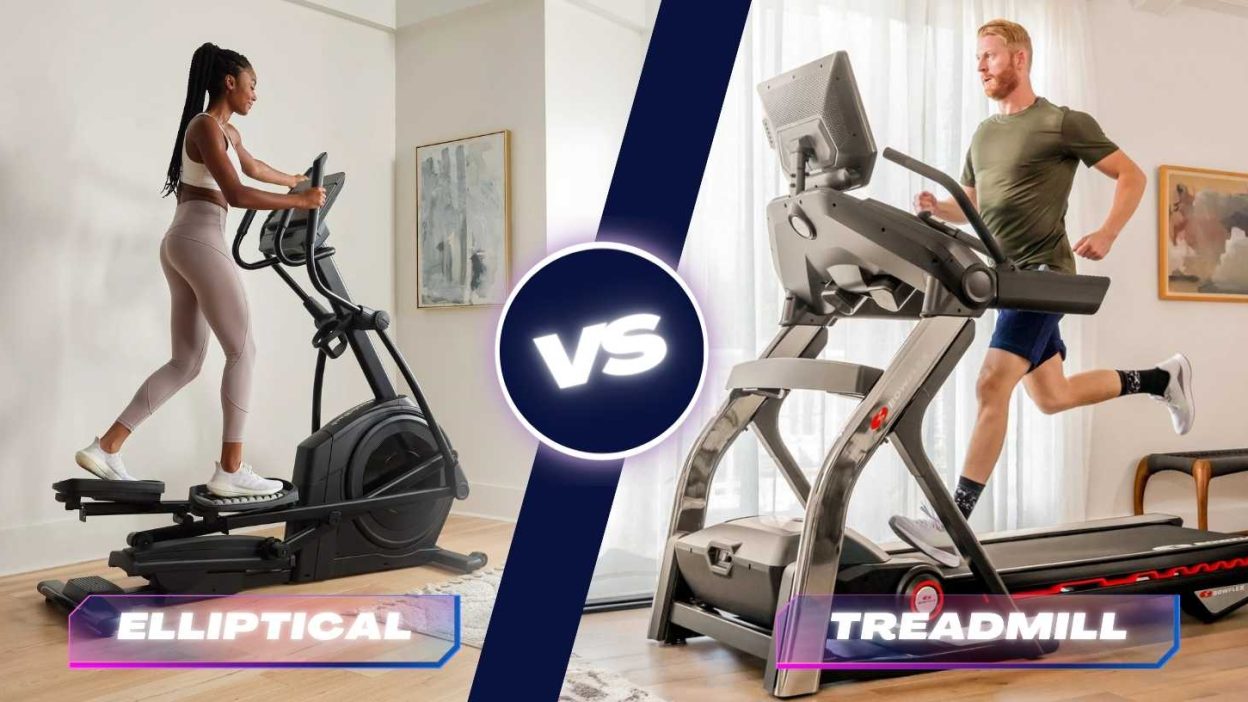
When it comes to choosing the right cardio machine for your home gym, the debate between the elliptical and the treadmill is a common one. Both machines offer unique benefits and can help you achieve your fitness goals, but they do so in different ways. In this article, we will explore the differences between the two machines, weigh their pros and cons, and help you determine which one is the better choice for your workout routine.
Treadmill vs. Elliptical: Which is the Better Cardio Machine?
What are the main differences between a treadmill and an elliptical?
The primary difference between a treadmill and an elliptical machine lies in their mechanics and the type of workout they offer. A treadmill allows you to run or walk on a flat or inclined surface, mimicking outdoor running conditions. You can adjust the speed and incline to increase the intensity of your workout. On the other hand, an elliptical trainer features two pedals that allow for a smooth, gliding motion, engaging both the upper and lower body. This low-impact workout is easier on the joints compared to the pounding motion of running on a treadmill. Therefore, whether you choose a treadmill or elliptical depends on personal preference and physical limitations.
Which machine is better for weight loss: treadmill or elliptical?
When considering weight loss, both machines can be effective; however, a treadmill may have the edge for some individuals. Running on a treadmill typically burns more calories than using an elliptical, primarily due to the higher intensity of the workout. Studies show that a treadmill workout can burn calories more effectively, especially if you incorporate interval training. However, using an elliptical can also contribute significantly to calorie burn while providing a more joint-friendly experience. Ultimately, the better choice for weight loss will depend on your exercise habits, intensity, and adherence to the workout routine.
How do treadmill workouts compare to elliptical workouts?
Treadmill workouts often focus on running or walking, allowing users to control their pace and incline for varied intensity. This flexibility can contribute to a higher heart rate and calorie burn. In contrast, elliptical workouts provide a total-body workout with less stress on the joints. The elliptical may engage your arms more than the treadmill, making it an excellent option for those looking for a comprehensive fitness routine. Whether you prefer the treadmill or elliptical, both machines can complement your cardio workout and enhance your overall fitness level.
Benefits of Using an Elliptical Machine
What are the key benefits of using an elliptical?
Using an elliptical machine offers numerous benefits, particularly for individuals seeking a low-impact workout. One of the key advantages of the elliptical is its ability to reduce the impact on your joints while still providing an effective cardiovascular exercise. This makes it suitable for individuals with joint issues or those recovering from injuries. Additionally, the elliptical trainer allows you to adjust the resistance, enabling you to customize your workout according to your fitness goals, whether you’re aiming for a leisurely session or an intense cardio challenge.
How does the elliptical help with calorie burn?
The elliptical is designed to create a fluid, low-impact motion that mimics running without the harsh impact on your joints. This motion allows for a higher heart rate during workouts, which can contribute to burning calories effectively. The ability to incorporate both upper and lower body movements also means that you can engage more muscle groups, potentially leading to a higher calorie burn compared to lower-body-focused workouts like walking on a treadmill. By adjusting resistance and speed on the elliptical, you can tailor your workout to maximize calorie expenditure.
Is using an elliptical better for joint health?
For many individuals, using an elliptical is a better choice for joint health compared to traditional treadmill workouts. The elliptical’s low-impact design allows for smooth movement without the jarring motions associated with running or walking on a treadmill. This makes it an ideal option for individuals with arthritis, those recovering from surgeries, or anyone who wants to minimize the risk of joint strain. By incorporating an elliptical into your routine, you can maintain cardiovascular fitness while protecting your joints.
Pros and Cons of Treadmills and Ellipticals
What are the pros of using a treadmill for workouts?
Treadmills offer several advantages for cardio workouts. One major pro is the ability to customize workouts by adjusting speed and incline, allowing for varied exercise experiences that can simulate outdoor running conditions. Treadmills also encourage running, which can burn more calories compared to low-impact alternatives. For individuals looking to improve their running performance, using a treadmill can help build stamina and speed in a controlled environment. Furthermore, treadmills often come equipped with technology to track heart rate and calories burned, providing useful feedback during workouts.
What are the cons of using an elliptical machine?
While ellipticals offer numerous benefits, they do come with some cons. One of the main drawbacks is that users may not achieve the same level of calorie burn as they might with higher-intensity treadmill workouts. Additionally, some individuals might find the elliptical motion unnatural or uncomfortable, especially if they are accustomed to traditional running. The reliance on a fixed range of motion can also limit the variety of exercises compared to the freedom of movement available on a treadmill. As such, while using an elliptical can be beneficial, it may not suit everyone’s preferences.
How do the cons of each machine affect workout choices?
The cons of each machine can significantly influence workout choices and preferences. For example, individuals who prioritize calorie burn and running performance may lean towards a treadmill, while those seeking a lower-impact option for joint health might opt for an elliptical. Personal fitness goals, existing injuries, and workout preferences play critical roles in determining which machine is more suitable. Understanding the pros and cons of both machines allows users to make informed decisions that align with their exercise routines and lifestyle.
Calorie Burn: Treadmill vs. Elliptical
How does calorie burn differ between treadmill and elliptical workouts?
The calorie burn between treadmill and elliptical workouts can vary significantly based on the intensity and duration of the exercises performed. Generally, treadmill workouts can lead to a higher calorie burn due to the ability to run at faster speeds and higher inclines, which increases cardiovascular exertion. In contrast, elliptical workouts may offer a lower calorie burn; however, engaging both the upper and lower body can mitigate this difference. The choice between treadmill or elliptical should consider individual fitness levels and workout intensity to achieve optimal calorie burn.
Which machine burns more calories in a typical workout?
In a typical workout session, a treadmill often burns more calories than an elliptical, particularly when running or walking at high intensities. A study shows that a person can burn an average of 600-800 calories per hour using a treadmill, depending on speed and incline. On the other hand, an elliptical may burn around 500-700 calories in the same timeframe, although this can increase with higher resistance and speed settings. Ultimately, the most effective machine for calorie burn will depend on the user’s workout approach and goals.
What factors influence calorie burn on a treadmill or elliptical?
Several factors influence calorie burn on both a treadmill and an elliptical machine. Key elements include workout intensity, duration, body weight, and individual metabolic rate. Users who incorporate interval training, adjusting speed and resistance, will experience higher calorie burn. Additionally, the more muscle groups engaged—such as during an elliptical workout—the more calories burned. Understanding these factors can empower users to optimize their workouts on either machine for maximum calorie burn.
Choosing the Right Machine for Your Fitness Goals
Should you choose a treadmill or elliptical based on your fitness level?
Your fitness level plays a crucial role in determining whether a treadmill or elliptical is the right choice for you. Beginners may benefit from the low-impact nature of the elliptical, enabling them to build endurance without excessive strain. Conversely, more advanced users looking to enhance their running performance may prefer using a treadmill to challenge their cardiovascular capacity. Additionally, individuals with specific fitness goals, such as training for a race, may find a treadmill to be more beneficial, while those focusing on overall health may enjoy the versatility of an elliptical.
How to determine which machine aligns with your fitness goals?
To determine which machine aligns with your fitness goals, it’s essential to assess your personal objectives, exercise preferences, and any physical limitations. If your goal is weight loss and you enjoy running, a treadmill may suit you best. However, if you aim for a low-impact workout that is easier on the joints while still engaging multiple muscle groups, an elliptical might be the better option. Reviewing your goals and experimenting with both machines can help clarify which cardio machine supports your fitness journey most effectively.
Is it beneficial to incorporate both treadmill and elliptical in your routine?
Incorporating both treadmill and elliptical workouts into your routine can be highly beneficial. This combination allows you to leverage the advantages of each machine while minimizing the drawbacks. Alternating between the two can prevent workout monotony, engage different muscle groups, and reduce the risk of overuse injuries. By integrating both the treadmill and elliptical, you can create a balanced fitness regimen that addresses various aspects of cardiovascular fitness, strength, and endurance, ultimately enhancing your overall health and fitness journey.