
If you’re short on time but big on fitness goals, HIIT could be your secret weapon. High-Intensity Interval Training combines explosive movement with short recovery periods to torch fat, improve endurance, and build strength fast. Let’s break down how this form of HIIT works, why it’s so effective, and how you can start your own HIIT program.
What is HIIT?
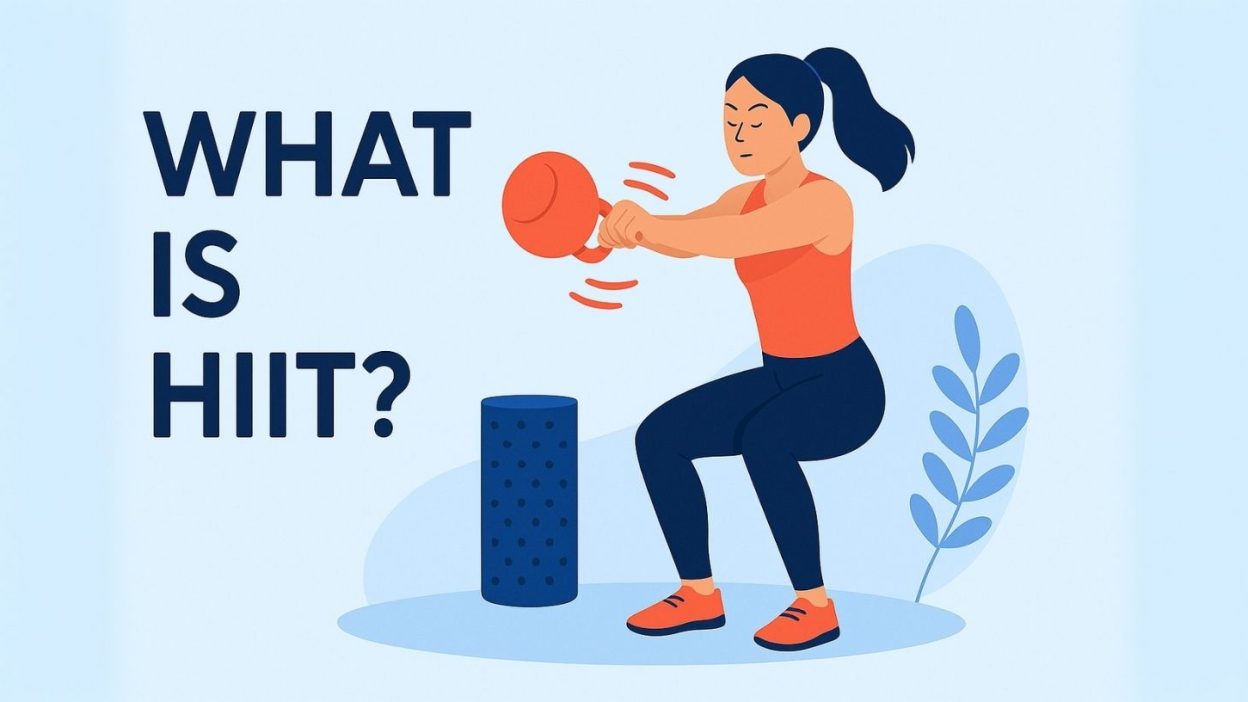
HIIT stands for High-Intensity Interval Training, a type of high-intensity exercise where you alternate short periods of intense effort with rest. It’s fast-paced, efficient, and designed to keep your heart rate elevated throughout the session. A typical HIIT workout lasts between 10 and 30 minutes—ideal for busy schedules without sacrificing performance gains.
This style of interval training makes use of your anaerobic and aerobic energy systems, promoting a powerful calorie burn and conditioning your body faster than traditional steady-state cardio. Whether you’re sprinting, jumping, or lifting, the goal of HIIT training is always the same: push hard, rest briefly, repeat, and build a stronger, healthier body.
How Does HIIT Work?

During a HIIT workout, you activate both anaerobic and aerobic energy systems. Quick, explosive bursts rely on the anaerobic system, while recovery taps into aerobic pathways. You aim to reach about 80–95% of your maximum heart rate during high-intensity intervals, driving a huge training effect.
After your session, your body continues burning calories through the afterburn effect, known as Excess Post-Exercise Oxygen Consumption (EPOC). Thanks to this elevated oxygen demand, your metabolism stays boosted for hours after exercise, helping you burn more fat even at rest—a major benefit of HIIT.
Benefits of HIIT

Here’s why HIIT dominates today’s fitness trends and health conversations:
- Burn more calories in less time: Short, intense bursts burn more energy during and after the workout compared to steady cardio.
- Boost cardiovascular fitness: HIIT improves cardiorespiratory fitness and can help lower blood pressure and reduce risks like type 2 diabetes.
- Preserve muscle mass: Unlike traditional cardio, HIIT supports muscle retention while promoting fat loss and improving body composition.
- Support fat loss: HIIT directly targets visceral fat, improving health markers faster than many other types of exercise.
- Improve insulin resistance: Research on HIIT shows significant improvements in insulin resistance and blood sugar regulation.
- Time efficiency: A 30-minute HIIT workout delivers the same or greater results compared to an hour-long steady-state session.
- Minimal equipment needed: Bodyweight exercises, resistance bands, and basic equipment make HIIT accessible anywhere.
Beginner-Friendly HIIT Workout Example
New to HIIT? Here’s a simple HIIT exercise routine to get started:
- Work: 20 seconds maximum effort
- Rest: 40 seconds
- Rounds: 4–6 cycles
Exercises: Jumping jacks, bodyweight squats, modified push-ups, and mountain climbers.
This setup builds aerobic fitness while introducing your body to intense bursts of work without overwhelming it. A typical HIIT session like this takes about 10 minutes but has a powerful impact on overall fitness level.
Advanced HIIT Workout Example
Feeling stronger? Step up your game with this advanced high-intensity plan:
- Work: 30 seconds all-out effort
- Rest: 15 seconds quick recovery
- Rounds: 3–4 complete circuits
Exercises: Burpees, jump squats, high knees, push-ups, kettlebell swings.
This 20–25 minute session targets multiple muscle groups, maximizing your strength and endurance while keeping your metabolism fired up for hours. It’s a real effective workout for athletes or anyone ready to test their limits.
HIIT vs Steady-State Cardio
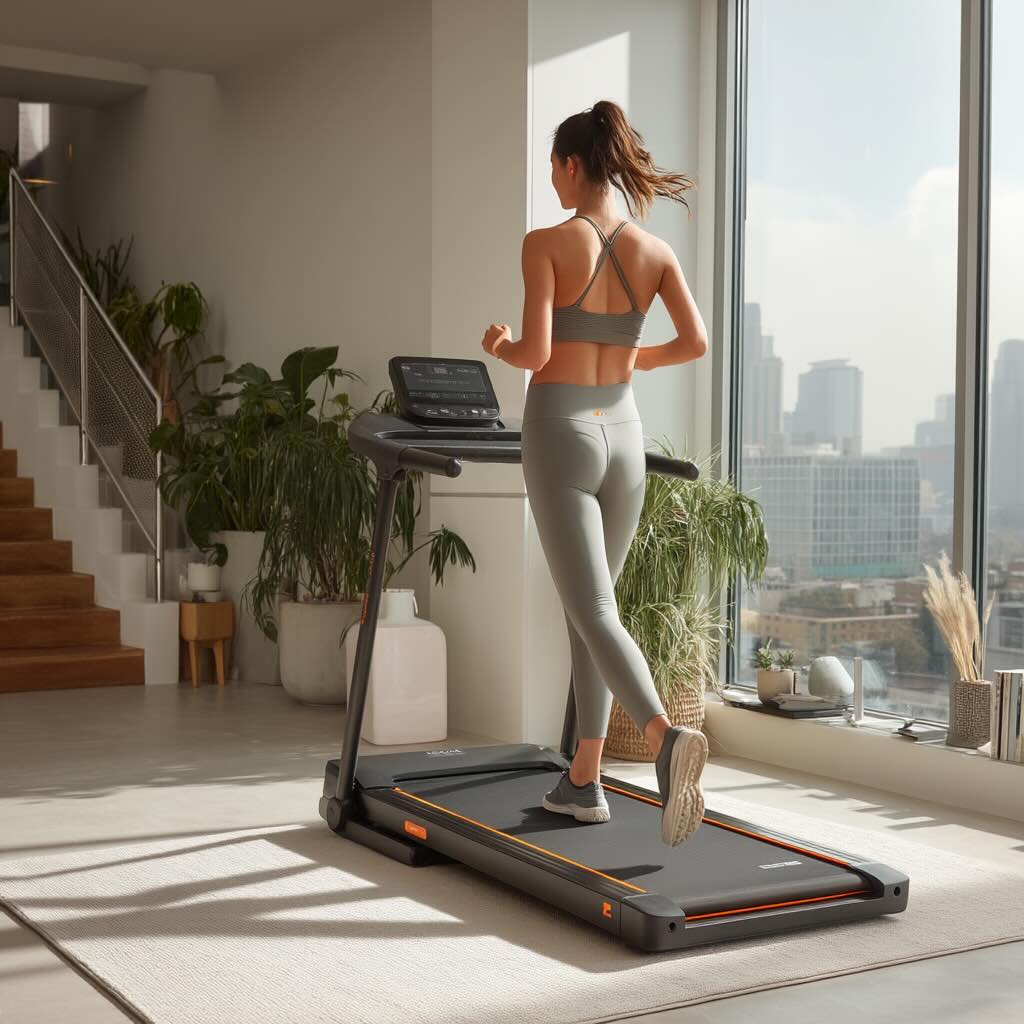
Curious about the differences between HIIT and traditional cardio? Here’s the breakdown:
| Feature | HIIT | Steady-State |
|---|---|---|
| Intensity | High | Moderate |
| Duration | Short (15–30 mins) | Long (45+ mins) |
| Calories burned | High | Lower |
| Afterburn effect | Yes | Minimal |
| Ideal for | Fat loss, endurance, time efficiency | Building aerobic base |
While both have their benefits, HIIT shines when you want maximum results in minimum time. Studies comparing HIIT and moderate intensity continuous training suggest HIIT often leads to greater improvements in cardiovascular fitness and body fat reduction.
Common Mistakes to Avoid
- Skipping warm-up and cool-down: Always prep muscles properly to maximize the benefits and reduce injury risk.
- Pushing too hard too soon: Intensity exercise demands smart pacing. Build gradually for lasting results.
- Ignoring form for speed: Proper technique matters more than how fast you can finish.
- Overtraining without rest: Your body needs recovery. Balance HIIT with lower intensity days for better adaptation and results.
- Not tracking progress: Keeping a record of rounds, reps, and improvements keeps you motivated and ensures your exercise program evolves.
How Often Should You Do HIIT?
Most people benefit from 2–4 sessions of HIIT workouts per week. Doing HIIT daily can lead to overuse injuries or plateauing. Always balance intense sessions with low-intensity activities like yoga, stretching, or easy cycling to maximize recovery and promote endurance training gains.
Best Gear for HIIT Workouts
While bodyweight routines are great, a few simple tools can level up your sessions:
- Interval Timer: Stay sharp with an easy-to-use Gymboss Timer.
- Cross-Training Shoes: Protect your joints with durable, supportive shoes like the Reebok Nano X4.
- Dumbbells or Kettlebells: Add resistance for strength-building HIIT moves.
- Resistance Bands: Perfect for activating stabilizer muscles and scaling exercises.
- TRX Suspension Trainer: Maximize your strength and flexibility with bodyweight mastery.
Is HIIT Right for You?

HIIT is a type of training that almost anyone can benefit from, but it’s important to listen to your body. If you’re managing joint issues, recovering from an injury, or have a heart condition, talk with your doctor before starting any high-intensity interval training plan. Modified routines still offer big rewards without unnecessary risk.
Why High-Intensity Interval Training is Changing Health and Fitness
High-intensity interval training (HIIT) has taken the health and fitness world by storm—and for good reason. This type of interval training combines intense bursts of exercise with short seconds of rest, making it incredibly effective at boosting strength, endurance, and overall wellness in less time than traditional methods.
Unlike steady aerobic exercise, where you keep a moderate pace for a long period, HIIT keeps your intensity of exercise high and your heart pounding. Studies have found that HIIT can improve fitness levels faster and more effectively than many other forms of exercise. For example, research comparing high-intensity interval training versus moderate-intensity sessions shows HIIT often delivers superior results, particularly when it comes to training on body composition and reducing fat.
The effectiveness of high-intensity interval training goes beyond burning calories—it helps control high blood pressure, manage blood sugar, and enhance cardiovascular health. For people with specific conditions, such as those training in patients with coronary issues, carefully monitored HIIT routines can offer significant improvements compared to traditional methods.
What’s more, HIIT’s flexibility is a major part of its appeal. It fits any current fitness level, from beginners starting a HIIT journey to seasoned athletes using it to maintain peak performance. HIIT can be combined with resistance training, cycling, sprinting, bodyweight drills, or even weight training to tailor workouts for different goals.
The effects of high-intensity interval training have been studied worldwide. According to a worldwide survey of fitness trends, HIIT has consistently ranked among the top trends for its simplicity, effectiveness, and ability to engage more people in health and fitness activities. Shorter routines, minimal equipment needs, and adaptability mean HIIT is here to stay.
Whether you’re aiming to tackle a tough high-intensity workout in a hiit class or designing your own cardio workout at home, HIIT offers one of the most efficient ways to elevate your fitness. Plus, the metabolism boost remains elevated for hours after exercise, making it an even better choice for fat loss and endurance gains.
As more studies show that hiit not only burns calories but also significantly impacts metabolic health, it’s clear that HIIT isn’t just a fad—it’s a lasting shift in how we approach health and fitness. By strategically adding high intensity work into your week, you can reshape your body, improve your endurance, and build a foundation for lifelong wellness.
Conclusion
HIIT boosts your metabolism, improves endurance, strengthens muscles, and delivers quick, effective sessions that fit into any schedule. Whether you’re chasing fat loss, enhanced stamina, or just want a fresh challenge, HIIT is a great training method to explore.
Start small, keep your technique sharp, and watch how quickly you start crushing your fitness goals. The beauty of HIIT? It grows with you, powering up your strength and energy every step of the way.