

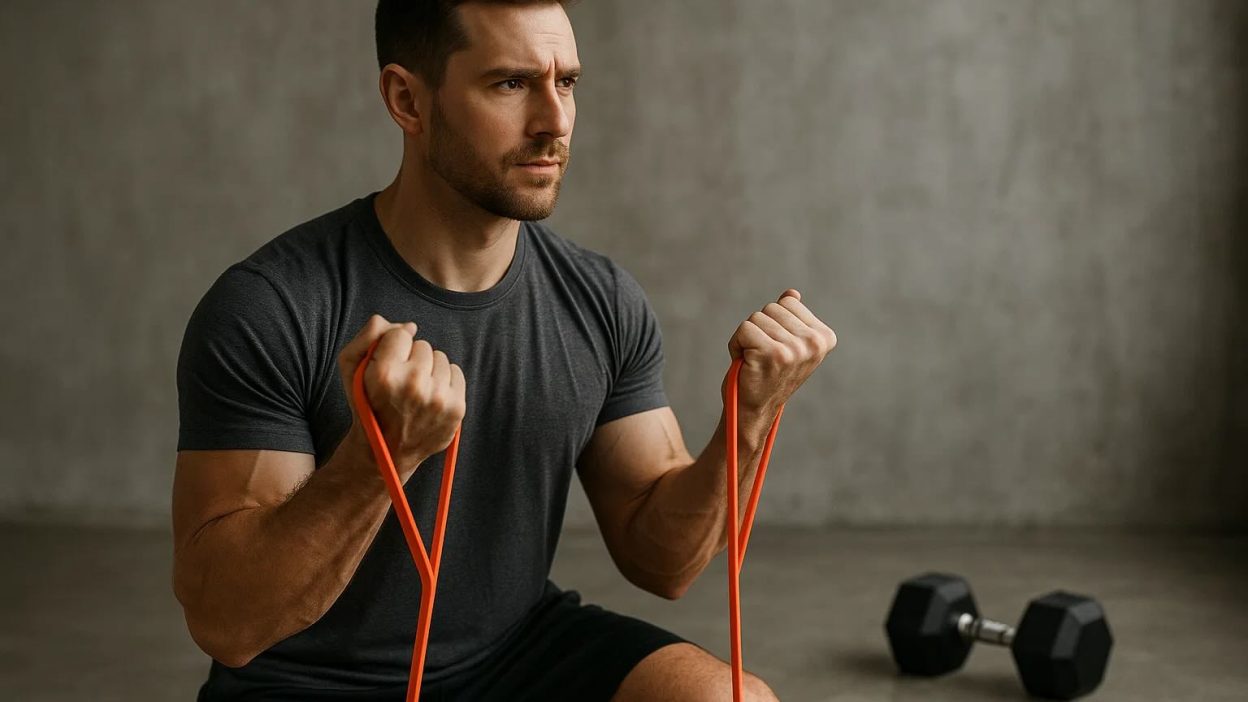
Think resistance bands are just rehab tools? Think again. I’ve tested them head-to-head with weights, and the results might surprise you. In this guide, I’ll break down what makes bands effective for strength training—and when they might even outperform dumbbells. It’s time to rethink your resistance strategy.
What Are Resistance Bands, Really?
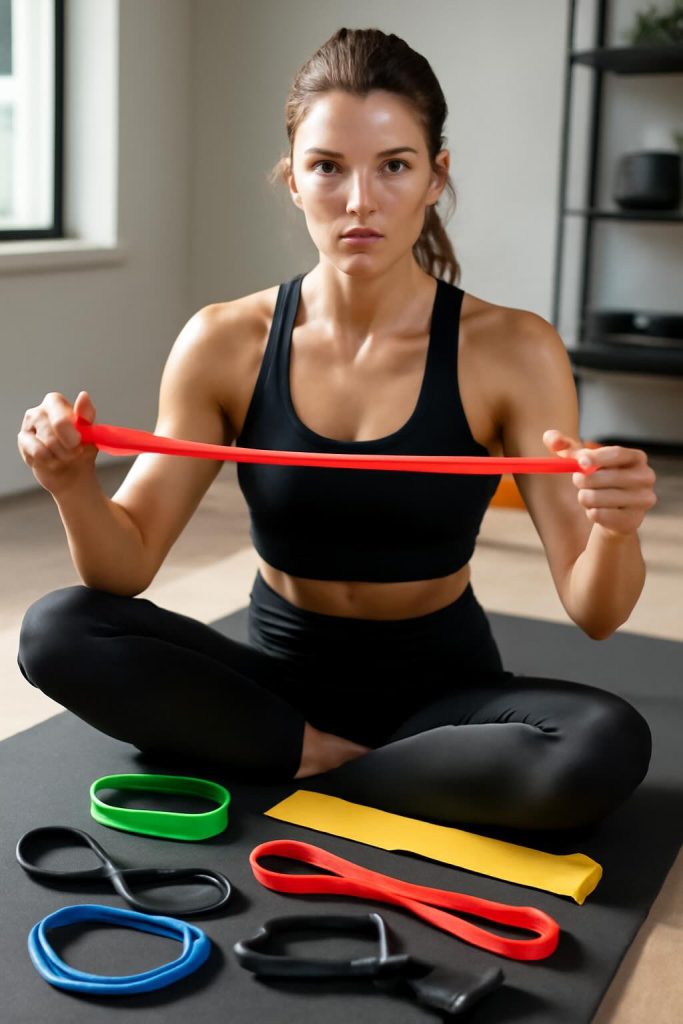
Resistance bands aren’t just colorful strips of rubber—they’re incredibly versatile tools that come in many forms and strengths. I’ve used them in everything from injury rehab to full-on strength circuits. Here’s what you need to know before you underestimate them:
- Types of Bands: There are loop bands (think glute work), tube bands with handles (great for presses and pulls), figure 8 bands (ideal for arm work), and long therapy bands used in mobility and rehab.
- Resistance Levels: Most brands offer light, medium, heavy, and extra heavy options. You’ll feel the burn quickly even with a “light” one—trust me.
- Materials: Typically made of latex or fabric, these bands are built to stretch and snap back. They’re portable, lightweight, and easy to stash in a drawer or gym bag.
- Common Uses: From pre-workout mobility to post-injury rehab to full-body training, resistance bands offer a surprisingly wide range of uses.
They’re simple, sure—but don’t mistake that for weak. With the right moves, resistance bands can deliver serious strength gains.
Myth vs. Reality: Can Bands Really Build Muscle?

Let’s bust a myth right now: resistance bands aren’t just for beginners or physical therapy. That’s like saying dumbbells are only for curls—completely missing the point. When used right, bands can spark real muscle growth. Here’s why:
- Myth: “Bands are too easy.”
- Reality: Bands can deliver major tension, especially at peak contraction. The deeper you stretch them, the more they fight back. That’s overload—and it matters.
- Smart Resistance: The resistance curve of bands aligns with how your muscles naturally work. That means better muscle engagement across the full range of motion—something even free weights can’t always provide.
- Double Duty: Bands resist both during the lift (concentric phase) and the lowering (eccentric phase), helping you build strength and control.
- Yes, Progressive Overload: You can up the challenge by using thicker bands, slowing your reps, increasing volume, or shortening rest periods. Gains don’t stop just because you’re using rubber.
If you’ve been skipping bands because they “don’t look hardcore,” you’re missing out on a simple but powerful way to build lean muscle—without needing a gym.
Best Resistance Band Exercises for Strength
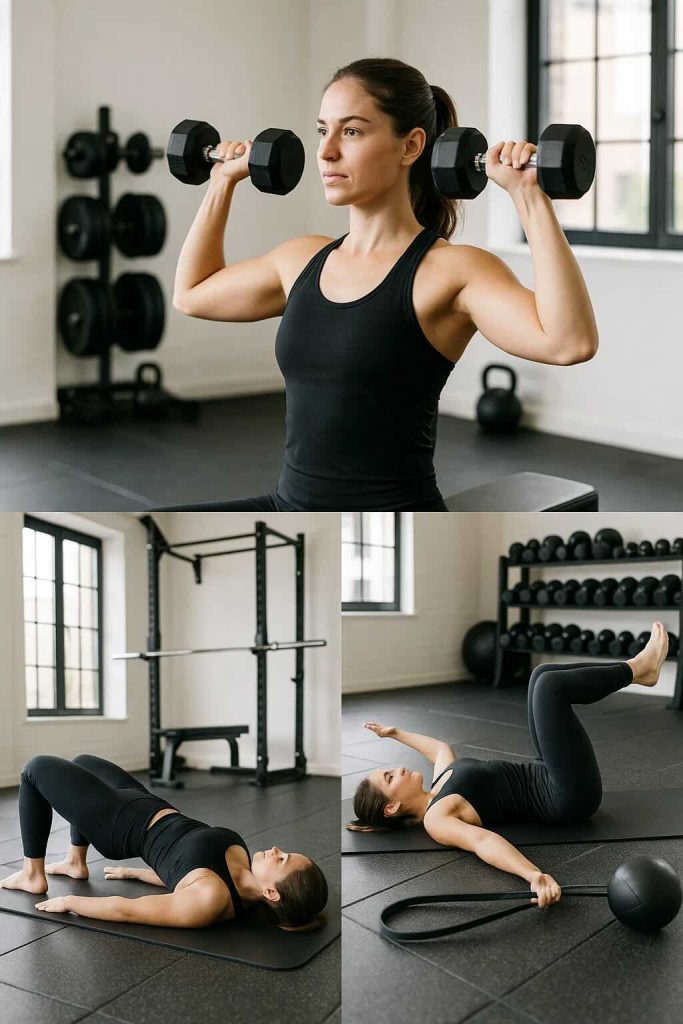
You don’t need a rack of weights to get strong. With the right moves, resistance bands can hit every major muscle group. They’re not just convenient—they’re brutally effective when done with control and intent. Here are my go-to strength-building exercises by area:
Upper Body
- Band Chest Press: Anchor the band behind you and press forward just like a bench press—great for chest and triceps.
- Overhead Shoulder Press: Stand on the band and press straight overhead to target delts and stabilizers.
- Bent-over Rows: Step on the band and pull toward your waist. This lights up your lats and rear delts.
- Bicep Curls: Old school but still golden—step on the band and curl up with control.
- Triceps Pushdowns: Anchor above and push down like a cable machine. Serious triceps tension.
Lower Body
- Band Squats: Loop the band under your feet and over your shoulders for added resistance on the way up.
- Glute Bridges: Place a mini band above your knees and squeeze at the top—hello, glute burn.
- Lateral Band Walks: Great for hip strength and stability. Keep tension in the band and control every step.
- Standing Hamstring Curl: Anchor the band behind you and curl your leg up—great isolation with zero machines.
Core
- Standing Band Rotations: Perfect for obliques—just anchor the band and twist with control.
- Seated Band Rows: Sit tall and pull the band toward your torso. Great for posture and back strength.
- Band Deadbugs: A core crusher—anchor the band and resist while extending arms and legs.
Whether you’re aiming for functional fitness, muscle gains, or better mobility, these resistance band exercises deliver the goods—no excuses, no fancy machines.
How to Progressively Overload With Bands

If you think bands can’t build muscle, you’re missing one key piece: progressive overload. Just like with weights, you’ve got to challenge your body over time. Here’s how I do it with resistance bands:
- Use thicker bands: The easiest way to level up—swap out a light band for a medium, heavy, or even extra heavy one.
- Slow down your tempo: Try a 3-second eccentric (lowering) phase. It increases muscle tension and makes every rep count.
- Add reps and sets: Push your volume higher week by week. If you started with 10 reps, aim for 12–15 the next round.
- Cut rest time: Shorten breaks between sets. It keeps muscles under stress and builds endurance too.
- Combine bands: Double up bands for a serious challenge—great when you’re outgrowing your current set.
- Emphasize time-under-tension (TUT): Hold the peak contraction. That paused glute bridge or slow chest press? Brutal—in the best way.
Bottom line: You don’t need a barbell to get stronger—you just need smart tweaks and consistent effort. Bands are versatile enough to grow with you.
Who Should Use Resistance Bands?

Resistance bands aren’t just for one type of person—they work for just about everyone. Here’s who can benefit most from adding them into their routine:
- Beginners: If you’re just starting strength training, bands are forgiving yet effective. They teach control without the intimidation of weights.
- Travelers: I always toss a set in my suitcase. They’re feather-light, take up almost no space, and turn hotel rooms into full gyms.
- Rehab Clients: Whether you’re bouncing back from an injury or working through joint issues, bands offer smooth, joint-friendly resistance.
- Older Adults: Low-impact and easy to modify, bands provide safe strength-building for balance, posture, and daily movement.
- Lifters: Bands are killer for warm-ups, mobility drills, and deload weeks when your body needs a break from heavy lifts.
- Anyone with limited space: No gym? No problem. Bands tuck into drawers, hang on doors, and work wonders in small apartments.
Whatever your level, bands bend to fit your needs—and that makes them a smart tool in any training setup.
Limitations to Know
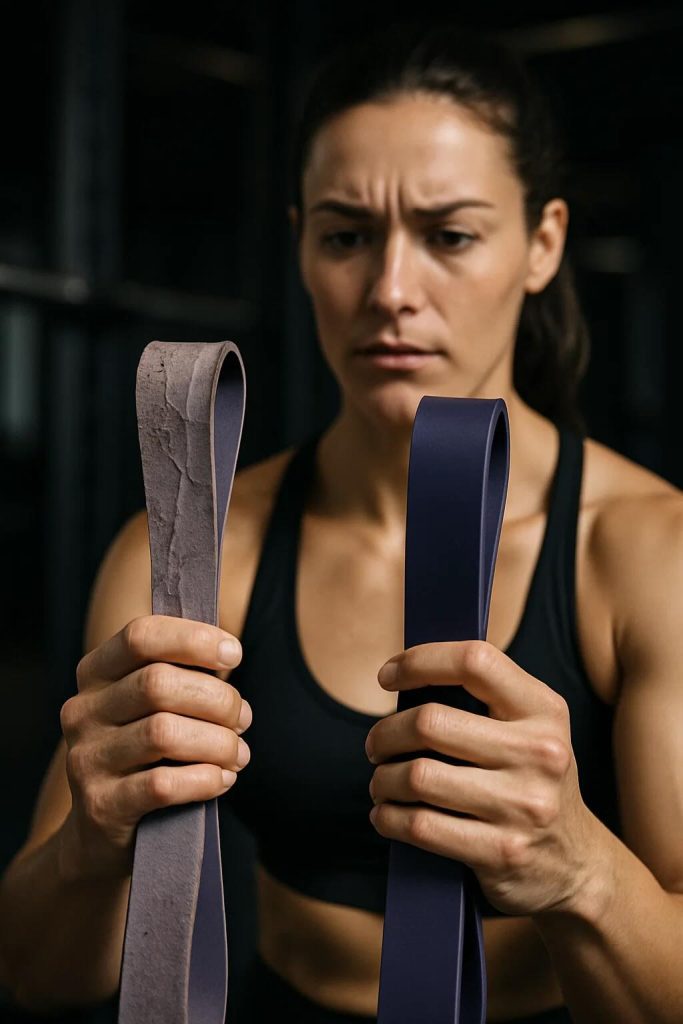
While resistance bands are versatile and accessible, they’re not without downsides. If you’re planning to go all-in on band training, here are a few caveats to keep in mind:
- Hard to measure resistance: Unlike dumbbells or plates, bands don’t come with precise weight labels. Tension varies based on stretch, angle, and band type—making progress tracking less exact.
- Not ideal for max strength: If your goal is hitting PRs in deadlifts or bench press, bands alone won’t cut it. They simply don’t deliver the sheer load needed for elite-level strength gains.
- Wear and tear: Over time, bands stretch out, degrade, and can snap—especially cheaper latex ones. You’ll want to inspect them regularly and replace them every 6–12 months depending on use.
- Limited for advanced hypertrophy: Bands are great for tension, but if you’re looking for full-body size gains past a certain point, you’ll need to supplement with heavier resistance tools like barbells or machines.
So while bands are brilliant for many scenarios, they’re best used as a supplement—not always a substitute—for traditional training if you’re chasing max muscle or strength.
Combining Bands With Other Equipment
Resistance bands don’t have to work alone—in fact, some of the most powerful workouts happen when you pair them with other training tools. Here’s how I mix them up for smarter, stronger sessions:
- Bands + Dumbbells: This combo adds a dynamic twist to classic lifts. Think bicep curls or squats with both weight and band tension—hello, new resistance curve. The band increases tension at the top of the movement where it’s usually easiest, keeping your muscles firing longer.
- Warm up with bands, lift with weights: I often use light bands to activate glutes, shoulders, or core before hitting heavier lifts. That preps the muscles, improves mobility, and cuts down on injury risk.
- Band-assisted barbells: Loop bands over your barbell for squats or bench presses to create accommodating resistance—more load as you press through the range. It’s a trick powerlifters swear by to crush sticking points.
- Assisted pull-ups and dips: Can’t do a full bodyweight rep yet? Anchor a loop band and let it help you up. It’s the perfect scalable step to master those tough bodyweight moves.
- Burnout sets + supersets: I like using bands at the end of a workout when muscles are fatigued. Fast, high-rep band work keeps me moving without extra joint stress.
In short, bands are like seasoning—on their own, they’re strong, but combined with other tools, they help every lift pop with extra challenge and precision.
Are Resistance Bands Enough on Their Own?
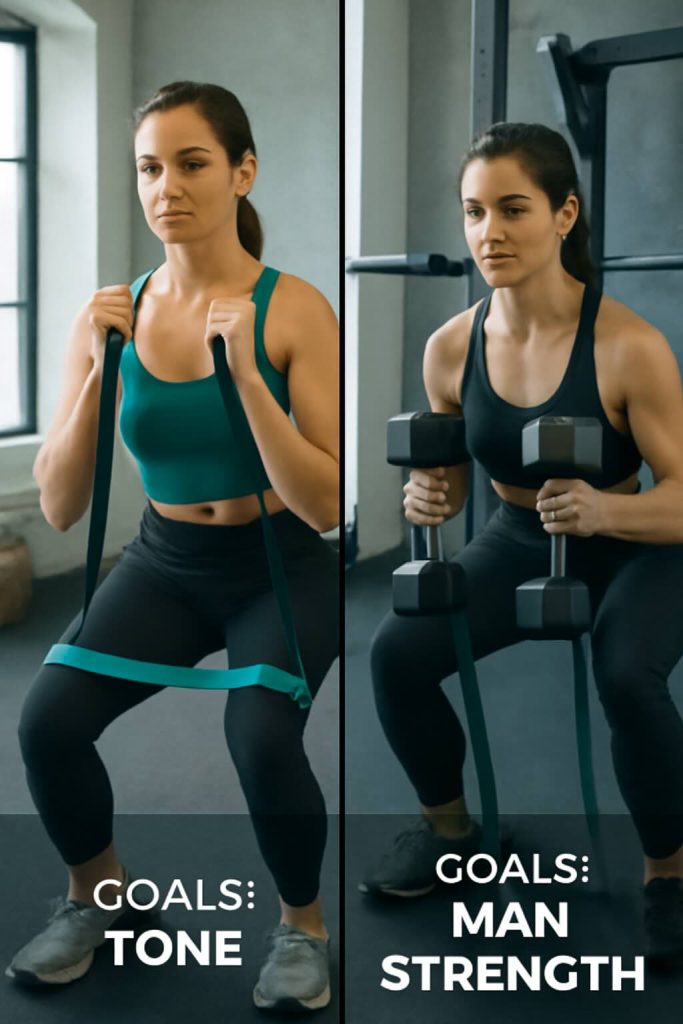
Short answer? It depends—but let’s break it down. Resistance bands can absolutely be enough, especially if you know how to use them strategically.
- Yes—for beginners and intermediates: If you’re just starting out or rebuilding after a break, bands provide more than enough tension to build strength, improve mobility, and get leaner. I’ve seen full transformations using nothing but a few loop bands and consistency.
- Yes—if you program progressive overload: By increasing resistance, slowing tempo, and manipulating reps and sets, bands can deliver legit gains. Trust me, your muscles don’t care if resistance comes from a barbell or a thick elastic loop—they just feel the tension.
- No—for elite strength athletes: If your goal is to deadlift 500 pounds or compete in powerlifting, bands alone won’t cut it. They’re not built to deliver that high absolute load required for maximal strength development.
- It depends on your goals: Want to tone up, stay active, or rehab an injury? Bands are ideal. Want to bulk up or push PRs? You might need to supplement with heavier weights or machines.
So, are bands “enough”? For most of us—absolutely. For pro-level strength? Probably not. But they’re powerful, portable, and versatile—and that’s more than enough to earn a spot in any smart fitness plan.
Tips for Getting the Most Out of Bands
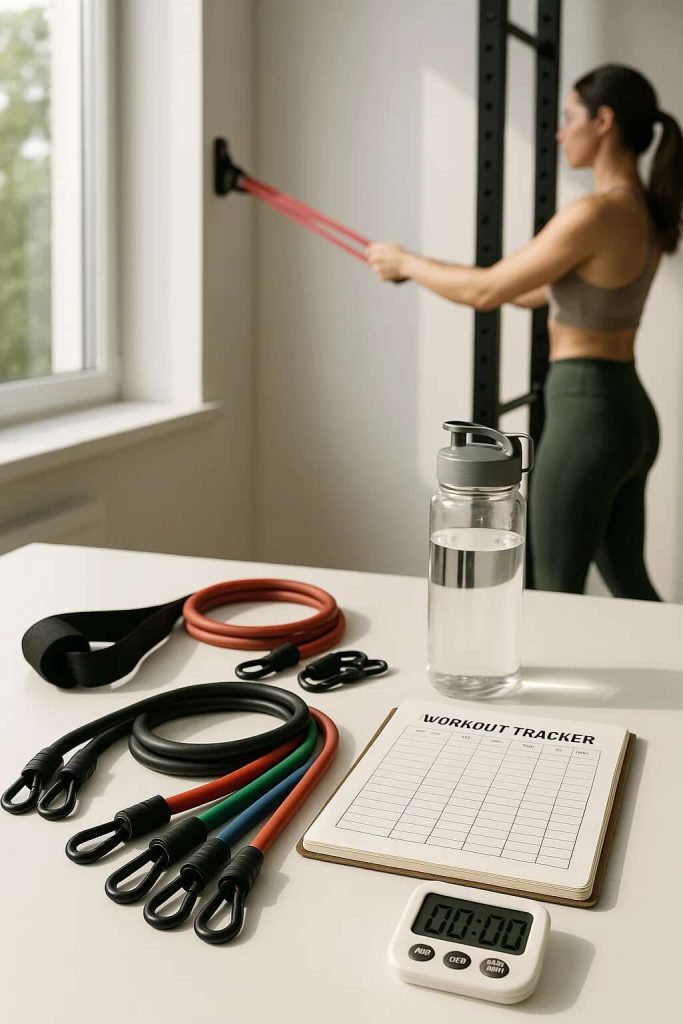
Using resistance bands isn’t just about going through the motions—smart use makes all the difference. Here’s how I get the best bang for my buck with every pull, press, and stretch:
- Anchor securely: Use a solid door anchor, squat rack, or heavy pole. A flimsy setup isn’t just annoying—it’s dangerous. I’ve had bands snap back mid-rep, and trust me, it’s not a fun surprise.
- Keep tension throughout the movement: No saggy bands between reps. Constant resistance challenges your muscles more and keeps your form honest.
- Train through the full range of motion: Don’t cut your reps short. Bands work best when you stretch them fully—this maximizes both concentric and eccentric resistance.
- Replace worn bands regularly: Bands wear out. If yours feels gummy, uneven, or looks cracked, it’s time for a new one. It’s not worth the snapback risk.
- Track your reps and rest: Progress needs proof. I jot down my band thickness, sets, reps, and rest time. That’s how you know you’re leveling up—not just going through the motions.
Bottom line: treat bands like real gym tools, not stretch toys. A little strategy goes a long way when you want to build strength without the bulk of traditional gear.
Recommended Resistance Bands
Whether you’re just starting out or ready to level up your resistance training, here’s my curated list of top resistance bands across all price points. I’ve tested and compared these based on durability, versatility, and how well they actually help build strength.
| Price Tier | Product | Description | Link |
|---|---|---|---|
| Budget (Under $30) |
Fit Simplify Resistance Loop Bands | Simple, color-coded loops perfect for lower-body workouts and warm-ups. Comes with a carry bag and instruction guide. | Shop Fit Simplify |
| RENPHO Smart Resistance Band Set | Smart-connected bands with real-time rep and tension tracking via app. Great entry-level tech gear. | Shop RENPHO Bands | |
| Mid-Tier ($30–$80) |
TRX Band Kit | Durable and versatile resistance bands designed for dynamic workouts. Includes handles and anchor solutions. | Shop TRX Bands |
| WODFitters Pull-Up Assist Bands | Heavy-duty bands ideal for pull-up support, strength training, and mobility work. | Shop WODFitters | |
| Premium ($80+) |
Rogue Monster Bands | Elite performance bands built for powerlifters, athletes, and serious resistance training. | Shop Rogue Bands |
| Undersun Fitness Heavy Band Set | A high-quality complete band system with guided workouts, ideal for full-body strength plans. | Shop Undersun Set |
Top Resistance Band Picks
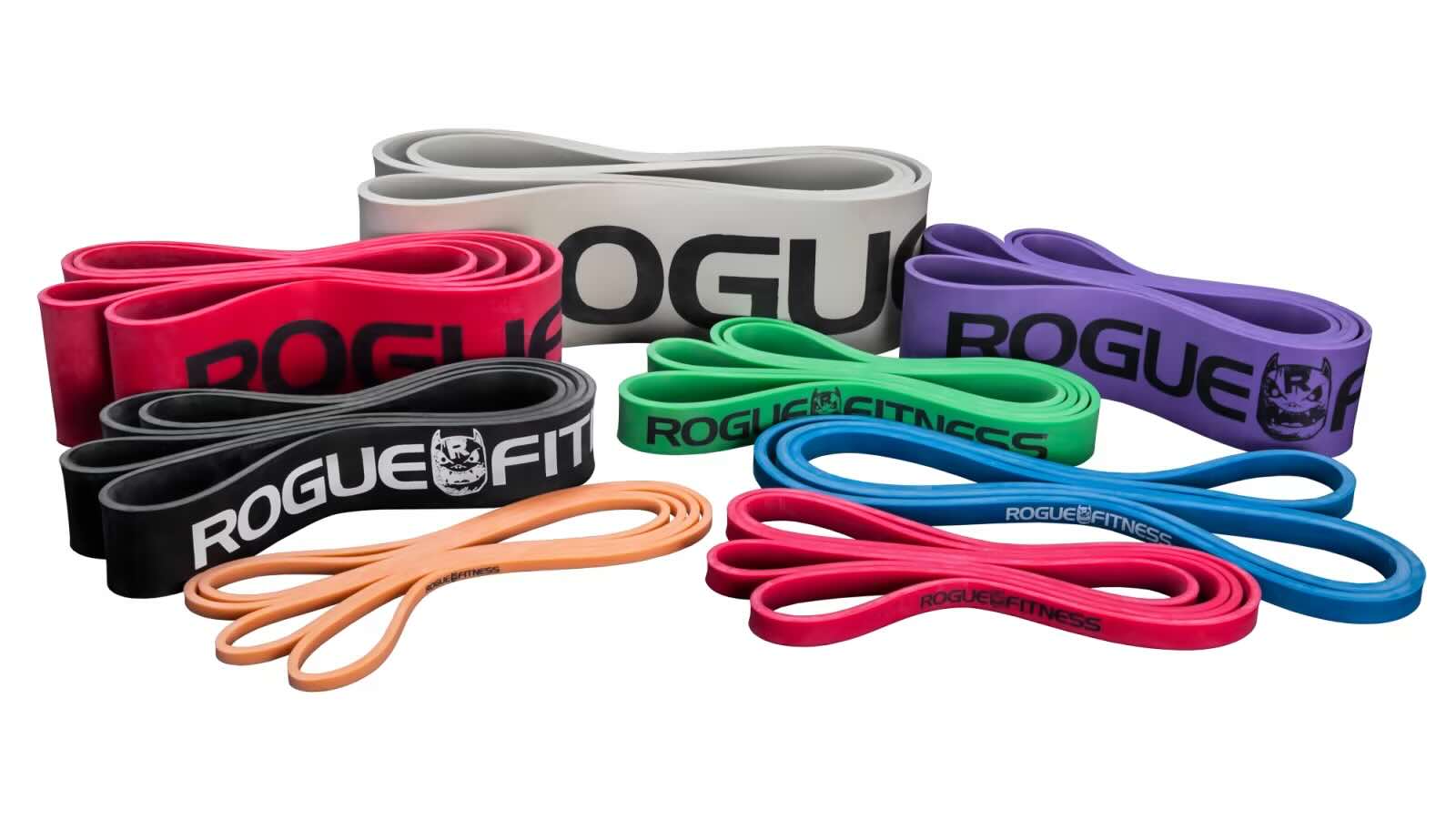
Rogue Monster Bands
These bands are beasts. Perfect for serious lifters looking for power, speed, or added resistance on barbell lifts. Ultra-durable and built for long-term training.
Vibe: Powerlifting, pro-level strength
Price: From $28 to $95 (based on resistance level)
Best For: Deadlifts, assisted pull-ups, squats, advanced training
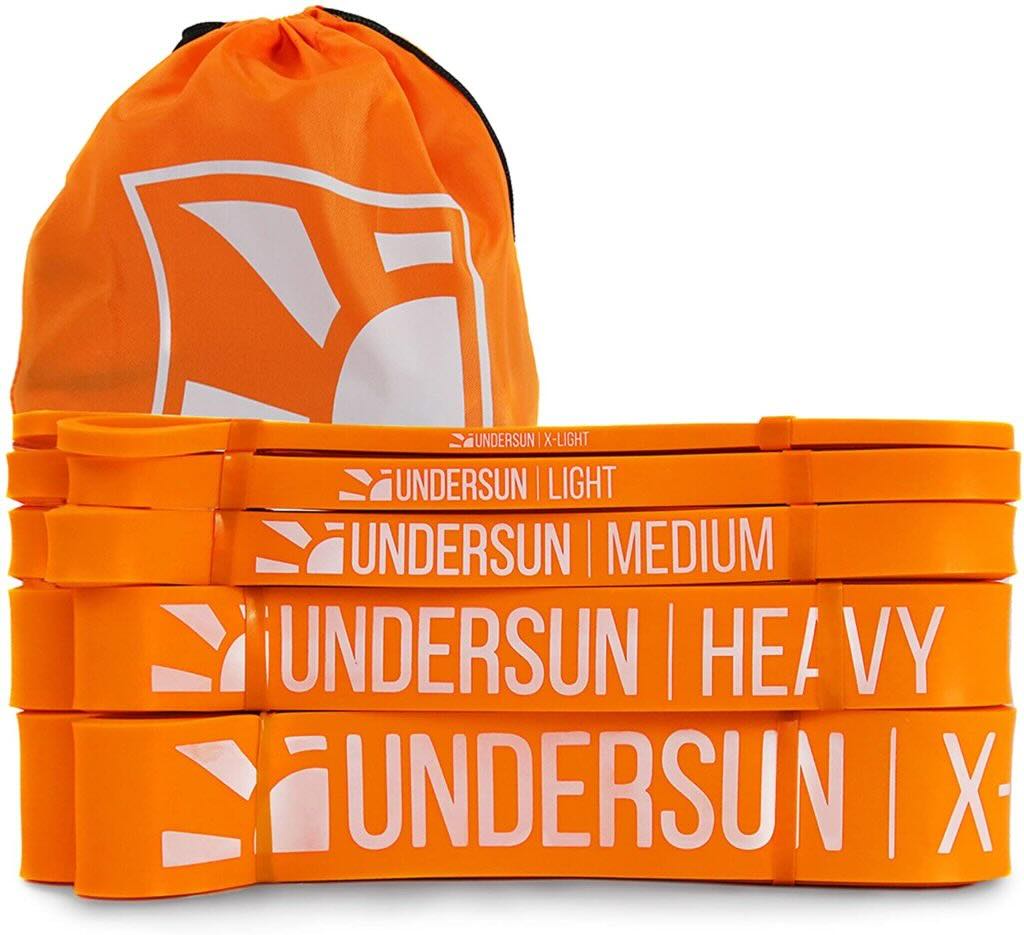
Undersun Fitness Band Set
This all-in-one set is designed for those who want to train anywhere—beach, gym, or small apartment. Comes with five bands and guided programming.
Vibe: Outdoor strength, travel-friendly gains
Price: $99
Best For: Full-body workouts, mobility, minimalist training
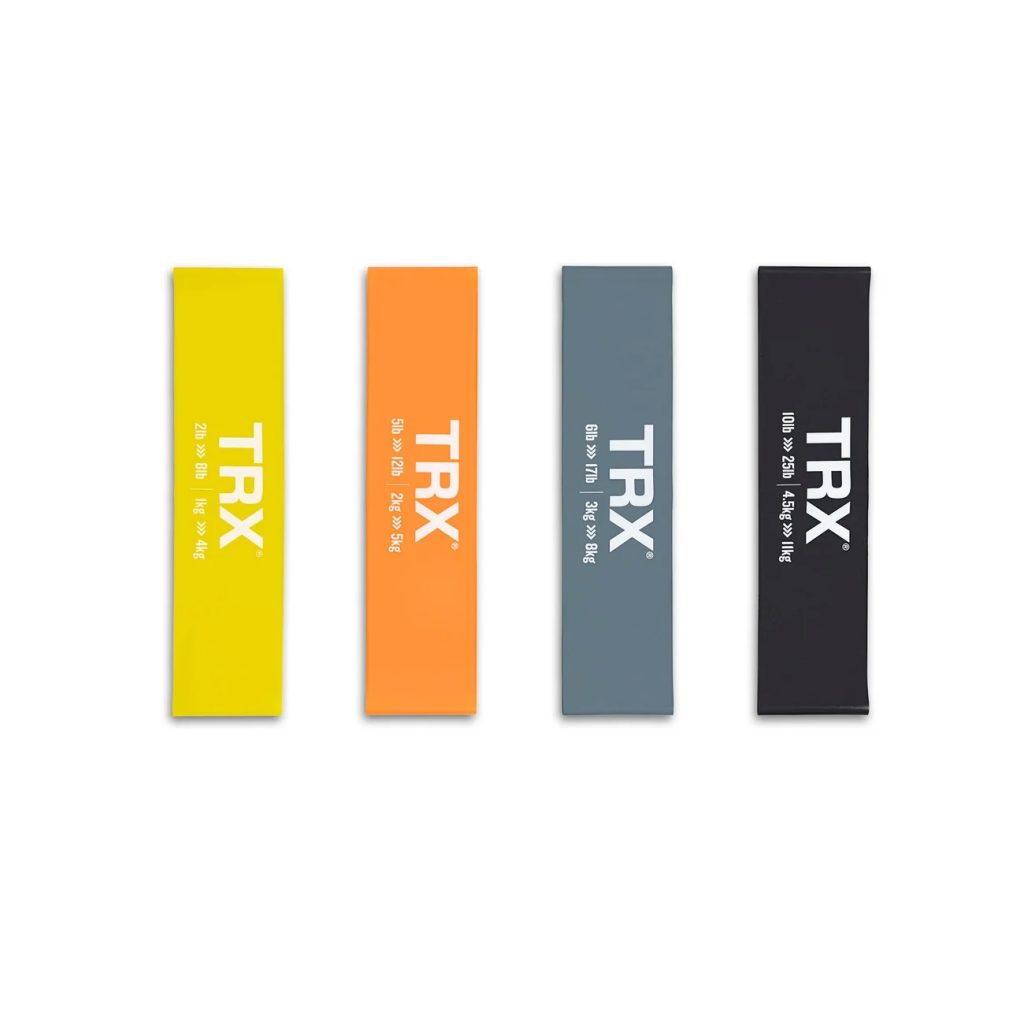
TRX Resistance Band Kit
A trusted name in strength training, TRX’s resistance bands bring pro-level performance with heavy-duty build and ergonomic handles.
Vibe: Gym-grade, everyday reliable
Price: $49.95+
Best For: Strength, conditioning, high-rep circuits
Conclusion: So, Are Resistance Bands Worth It?
If you’ve been sleeping on resistance bands, it’s time to wake up. These compact tools deliver way more than just rehab vibes—they can seriously challenge your muscles, support progress, and slot into nearly any fitness setup. From warm-ups to full-body workouts, bands are the quiet overachievers of strength training.
Whether you’re just getting started, bouncing back from injury, or spicing up your lifting routine, resistance bands offer flexible, effective, and affordable strength gains. Just don’t forget to push yourself—progressive overload still applies, even with stretchy rubber.