

Running in summer heat feels like training in a toaster—especially if your shoes trap heat like a thermal blanket. I’ve tested the top breathable running shoes of 2025 to help you stay cool, blister-free, and fast on your feet. Let’s beat the heat one step at a time.
Understanding Breathable Running Shoe Technology
Breathability Fundamentals
When we talk about breathability in running shoes, we’re not referring to literal breathing—but we might as well be. In this context, breathability means how well a shoe allows air to circulate in and out while managing internal moisture from sweat. The goal? Keep your feet cool, dry, and comfortable—even when the pavement feels like a frying pan.
There are two major pillars here: air permeability and moisture management. Air permeability refers to how easily air flows through the upper material, creating a cross-breeze effect around your foot. Moisture management is about how effectively the shoe wicks away sweat and allows it to evaporate, preventing that swampy sock sensation. When airflow and moisture control work together, your shoes become a portable cooling system for your feet.
The third component is heat dissipation—how efficiently a shoe can shed the heat that builds up from both the environment and your own kinetic energy. Every toe-off generates friction and heat, especially in midsoles and outsoles. A breathable shoe uses materials and design to move that heat away from your foot and out of the shoe structure.
Key Technologies and Materials
Upper Materials
- Engineered mesh is the MVP. You’ll see versions ranging from single-layer (light, minimal structure) to multi-layer (added durability) and zoned mesh (targeted ventilation where your foot sweats most). It’s strategically designed to combine airflow with support.
- Knit uppers, like Nike’s Flyknit or Adidas Primeknit, offer sock-like comfort with stretch and ventilation. These often outperform traditional meshes in breathability but can vary in structure.
- Synthetic uppers with ventilation ports—think laser-cut holes or overlays—add airflow without compromising foot lockdown.
- Natural materials, like hemp or wool blends, can surprise you with solid temperature regulation due to their moisture-wicking properties and breathability.
Midsole Ventilation
- Ventilated foams like EVA and TPU are engineered with air pockets or grooves to increase airflow through the midsole.
- Lightweight midsole materials naturally reduce the amount of heat retained, especially in long-distance running.
- Some designs even integrate air channels that run through the midsole, acting like air ducts under your arch.
Outsole Design
- Drainage ports and vent holes allow air to enter from the bottom while letting sweat escape downward.
- Rubber compounds that don’t trap heat—especially blown rubber and carbon rubber blends—make the base of the shoe more temperature-neutral.
- Flex grooves do more than add flexibility—they help open the shoe structure as your foot moves, encouraging airflow and releasing trapped heat.
Breathability Testing Standards
How do brands claim a shoe is breathable? Through a mix of lab tests and field trials.
- ASTM (American Society for Testing and Materials) and ISO (International Organization for Standardization) provide benchmarks like air permeability (measured in cubic feet per minute) and moisture vapor transmission rates (MVTR).
- In the lab, shoes are placed in chambers that simulate running conditions—hot, humid, and sweaty. Thermal imaging is often used to track heat buildup.
- Real-world testing—like running in 90°F heat or across mixed terrain—often exposes things lab results can’t. For example, a shoe may test well but still feel muggy during fast intervals.
There’s also a catch: lab tests isolate variables, but in the real world, socks, stride, and sweat rate all play a part. So while standards provide useful benchmarks, true breathability is best confirmed with feet-on-pavement experience.
In short, breathable shoes are a blend of science and design—where mesh, foam, and airflow fuse to create that just-right cool foot feeling. Up next: how to pick the right pair for your climate, stride, and summer goals.
Factors to Consider When Choosing Summer Running Shoes

Climate and Environmental Conditions
Summer isn’t the same everywhere. Running in dry heat in Arizona is a whole different beast than grinding out miles in Florida’s sticky humidity. Humidity matters—moist air slows evaporation, making your feet feel hotter and sweatier. Look for shoes with ultra-breathable uppers and fast-drying liners in high-humidity zones.
Temperature also plays a role. Shoes that perform well at 70°F may start to feel like saunas at 90°F. For high heat, go for lighter colors (to reflect sun), ventilated midsoles, and moisture-wicking insoles.
Terrain affects airflow, too. Road shoes typically breathe better than trail shoes because trail models prioritize protection over ventilation. But if you’re a trail runner, choose ones with mesh panels and drainage ports to let your feet breathe even when the path is dusty or damp.
Personal Factors
Your feet are as individual as your fingerprint—so one person’s dream shoe might be another’s blister nightmare. Start with your foot type. If you have high arches, you might sweat more along the arch line. Flat feet? You may have more surface area in contact with heat-retaining midsoles. Breathable designs help in both cases, but the hot zones differ.
Sweat production is personal, too. If your feet sweat buckets, opt for shoes with quick-drying liners, anti-odor insoles, and sockliners that won’t soak up and trap moisture.
Running gait influences where friction and heat build up. Heel strikers often need extra heel ventilation, while forefoot strikers should focus on breathability up front.
If you’ve had past injuries or issues like plantar fasciitis, overheating can aggravate inflammation. And don’t forget socks—some thick cotton pairs can block airflow completely, undoing your shoe’s breathable benefits. Go with thin, moisture-wicking, breathable socks that work with your shoes, not against them.
Performance Requirements
How you run determines what you need. For short, fast runs, lightweight shoes with maximum airflow will feel fantastic. But if you’re doing long-distance training, you might sacrifice a little breathability for added cushioning and support.
Pace and intensity impact sweat levels. High-intensity intervals on a summer afternoon can push your foot temperature way past comfort zones. Make sure your shoe’s airflow can keep up.
Recovery time also factors in. If you’re running daily, a breathable shoe helps reduce inflammation and allows your feet to recover faster between sessions.
And for those who cross-train, a breathable running shoe might not cut it for gym work or cycling. If you’re doing multi-sport workouts, consider a hybrid model or have a secondary pair optimized for heat-heavy indoor training.
Bottom line? Choosing summer running shoes isn’t one-size-fits-all. It’s a balance between where you run, how you run, and what your body needs when the temps rise. The right pair can keep you cool, comfortable, and chasing new PRs even when the heat is on.
Top 15 Best Breathable Running Shoes for Summer 2025
For summer 2025, finding the best running shoes of 2025 is essential for comfort during those hot trail runs. Look for a pair of running shoes that combines breathability and stability, such as trail running shoes with a wide toe box to protect your feet from hot spots.
Check running shoe reviews for cushioned running options, which can enhance your experience on both road running and trail runs. Consider zero-drop shoes and low-drop shoes for a more natural feel, while knit running shoes offer flexibility and breathability.
Local running stores often have the best fit, helping you find the right shoe for your needs, whether it’s a racing shoe or a stability shoe. Compare different shoes and their features to find running shoes to help you achieve your summer goals.
Premium Performance Category ($150–$250)
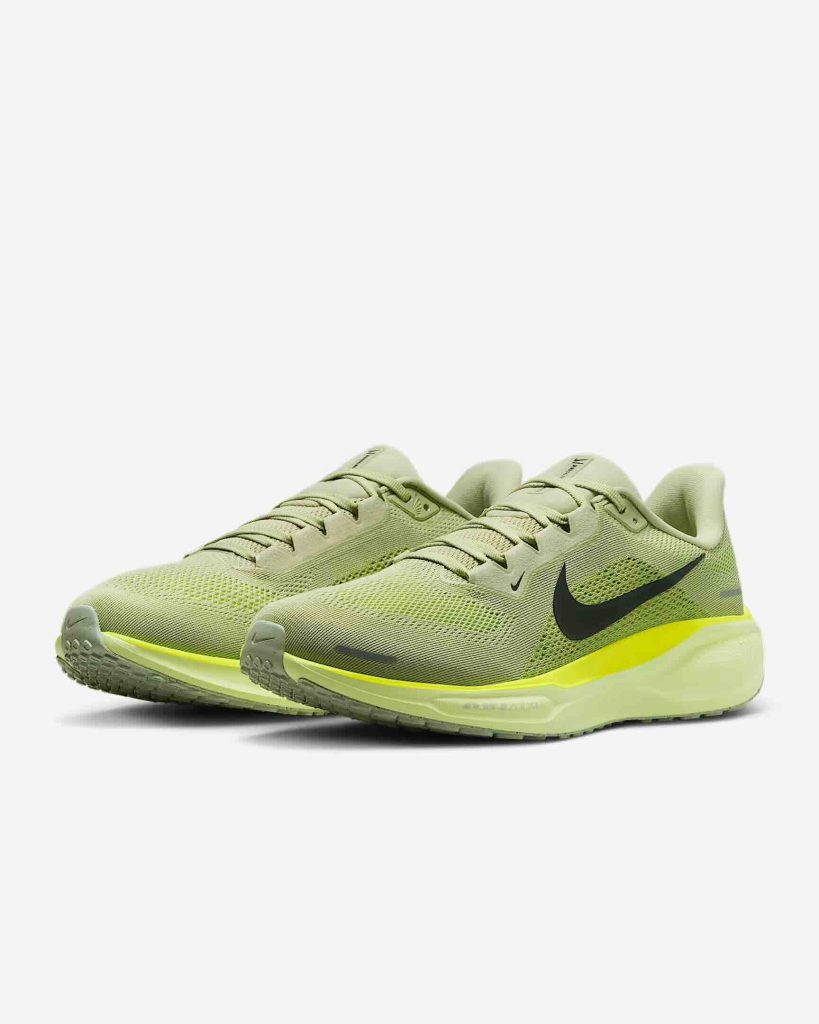
Nike Air Zoom Pegasus 41
Breathability Score: 9/10
Key features: Updated mesh upper, Zoom Air units, Nike React foam
Best for: Daily training, versatile runners
Why It Stands Out: Updated mesh upper and Zoom Air units combined with Nike React foam deliver outstanding ventilation and responsive cushioning for daily training.
Pros:
- Excellent ventilation
- Proven track record
- Wide availability
Cons:
- May run warm in extreme heat
$130–$140
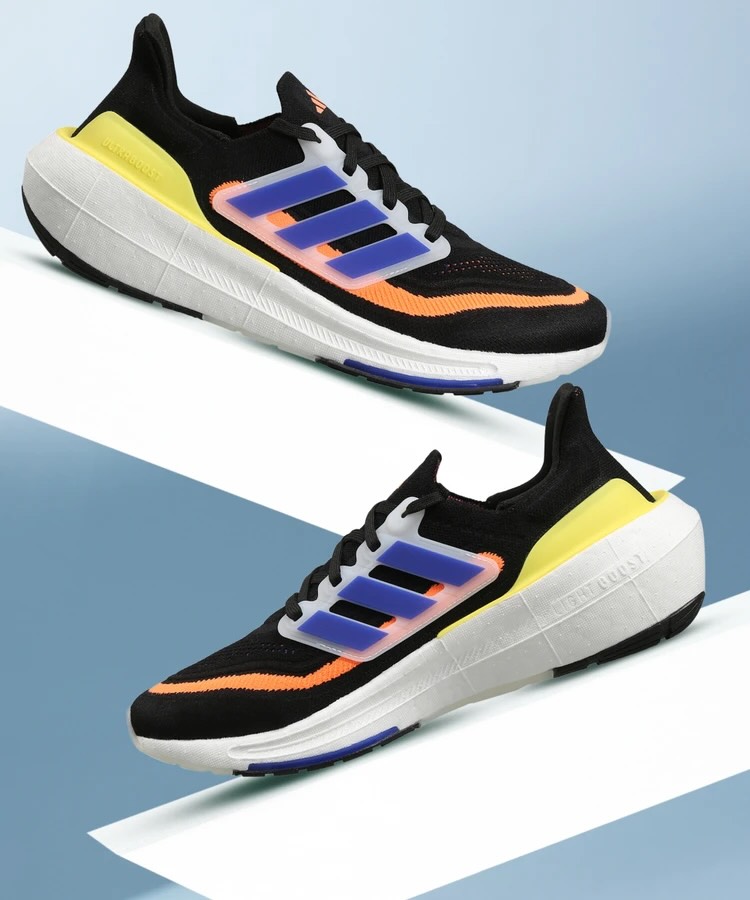
Adidas Ultraboost 23
Breathability Score: 8.5/10
Key features: Primeknit+ upper, Boost midsole, Continental rubber
Best for: Long-distance comfort, urban running
Why It Stands Out: Primeknit+ upper and Boost midsole offer luxurious comfort and energy return for long-distance runs.
Pros:
- Superior comfort
- Energy return
- Stylish design
Cons:
- Higher price point
- Some durability concerns
$180–$200
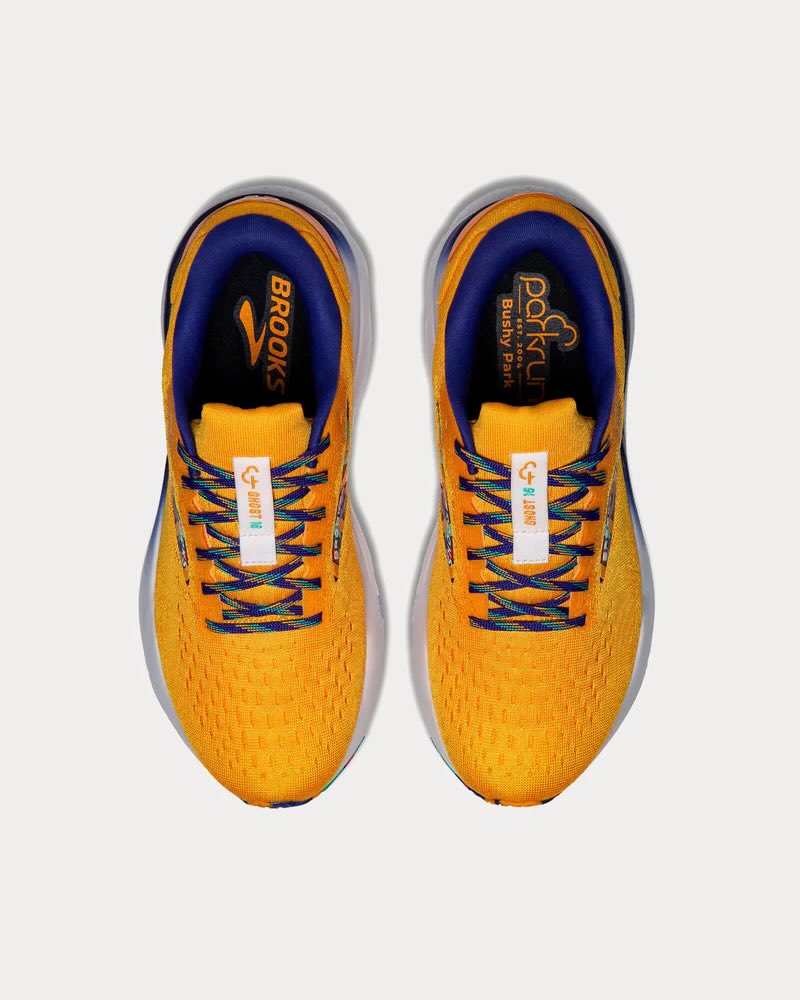
Brooks Ghost 16
Breathability Score: 8.5/10
Key features: Engineered mesh upper, DNA LOFT v2 midsole, Segmented Crash Pad
Best for: Neutral runners, daily training
Why It Stands Out: Engineered mesh upper and DNA LOFT v2 midsole paired with a Segmented Crash Pad for a smooth, breathable ride.
Pros:
- Smooth ride
- Excellent breathability
- Reliable construction
Cons:
- Limited color options
- Traditional styling
$140–$150
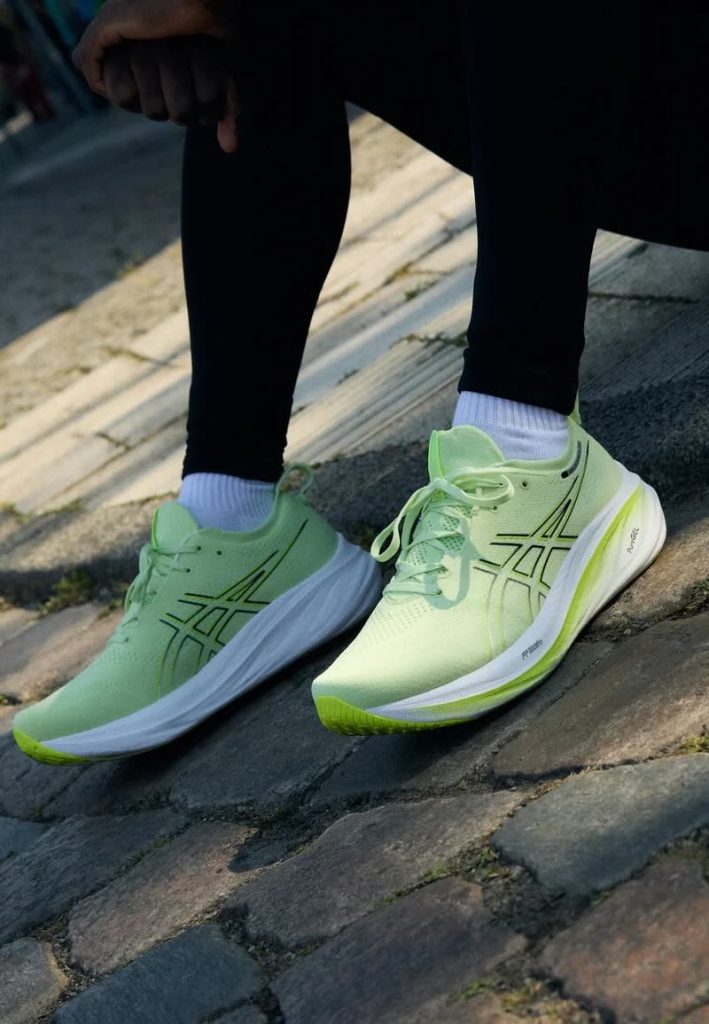
ASICS Gel-Nimbus 26
Breathability Score: 8/10
Key features: Engineered knit upper, FF BLAST+ ECO foam, PureGEL technology
Best for: Maximum cushioning, high-mileage runners
Why It Stands Out: Engineered knit upper with FF BLAST+ ECO foam and PureGEL technology for cushioned, breathable support on high-mileage runs.
Pros:
- Superior comfort
- Excellent shock absorption
Cons:
- Heavier weight
- Higher price
$160–$180
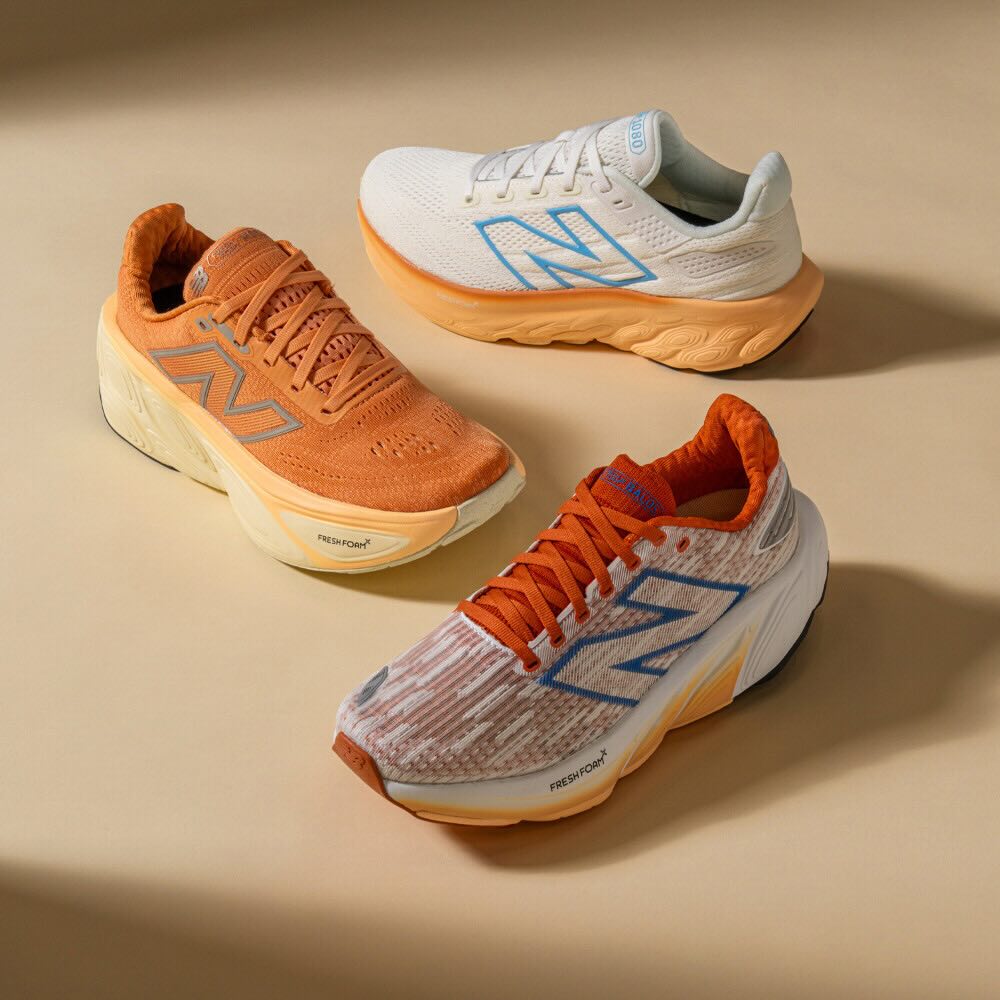
New Balance Fresh Foam X 1080v13
Breathability Score: 8.5/10
Key features: Hypoknit upper, Fresh Foam X midsole, blown rubber outsole
Best for: Plush comfort, easy pace runs
Why It Stands Out: Hypoknit upper combined with Fresh Foam X midsole delivers cloud-like cushioning and breathable comfort for easy pace runs.
Pros:
- Cloud-like cushioning
- Excellent breathability
Cons:
- May lack responsiveness for speed work
$150–$170
Mid-Range Performance Category ($100-$150)
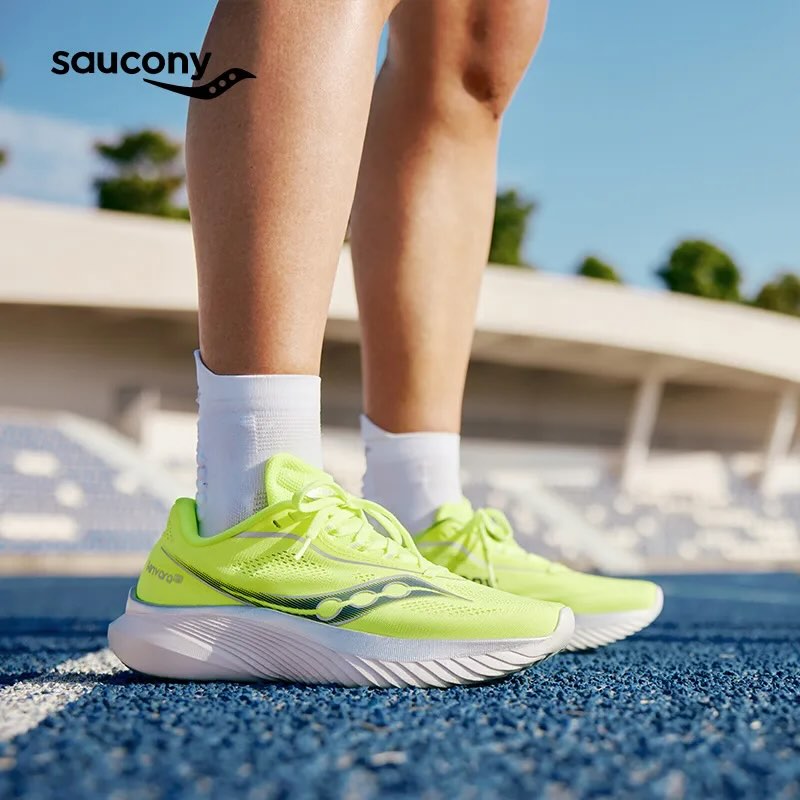
Saucony Kinvara 15
Breathability Score: 9/10
Key features: Breathable mesh upper, PWRRUN foam, FORMFIT technology
Best for: Tempo runs, racing, lightweight preference
Why It Stands Out: Breathable mesh upper paired with PWRRUN foam and FORMFIT technology offers a lightweight, responsive feel for tempo runs and racing.
Pros:
- Excellent ventilation
- Responsive feel
- Versatile use
Cons:
- Less cushioning for very long runs
$110–$120
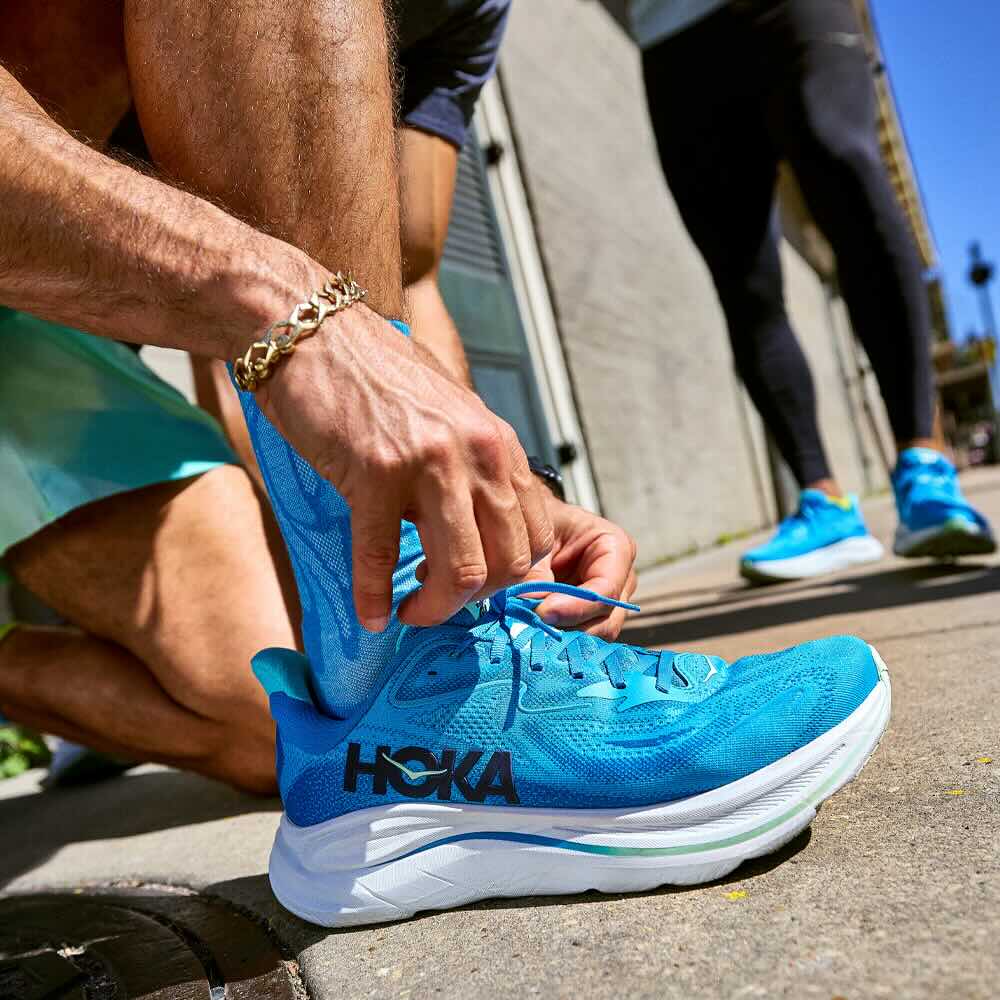
Hoka Clifton 10
Breathability Score: 8/10
Key features: Engineered knit upper, EVA midsole, early stage Meta-Rocker
Best for: Maximum cushioning at minimal weight
Why It Stands Out: Engineered knit upper with EVA midsole and early stage Meta-Rocker delivers plush cushioning in an exceptionally lightweight package.
Pros:
- Incredibly lightweight
- Plush comfort
Cons:
- Durability questions
- Limited ground feel
$130–$140
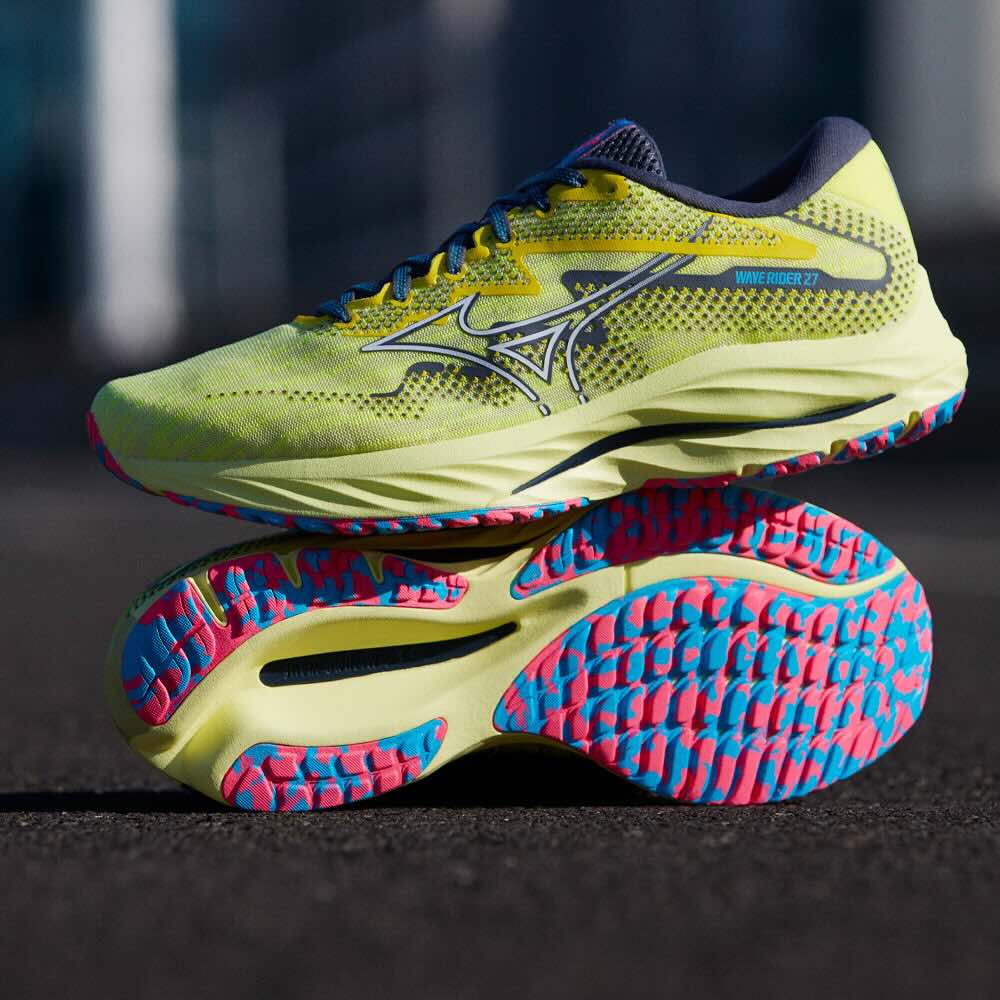
Mizuno Wave Rider 27
Breathability Score: 8.5/10
Key features: AIRmesh upper, Mizuno Enerzy Core, Wave Plate
Best for: Stability-minded runners, smooth transitions
Why It Stands Out: AIRmesh upper with Mizuno Enerzy Core and Wave Plate ensures durable breathability and a stable, smooth ride.
Pros:
- Excellent airflow from the AIRmesh upper
- Stable ride with Wave Plate support
- Durable build for long-term use
Cons:
- Firmer underfoot feel may not suit everyone
- Less trendy design compared to competitors
$125–$135
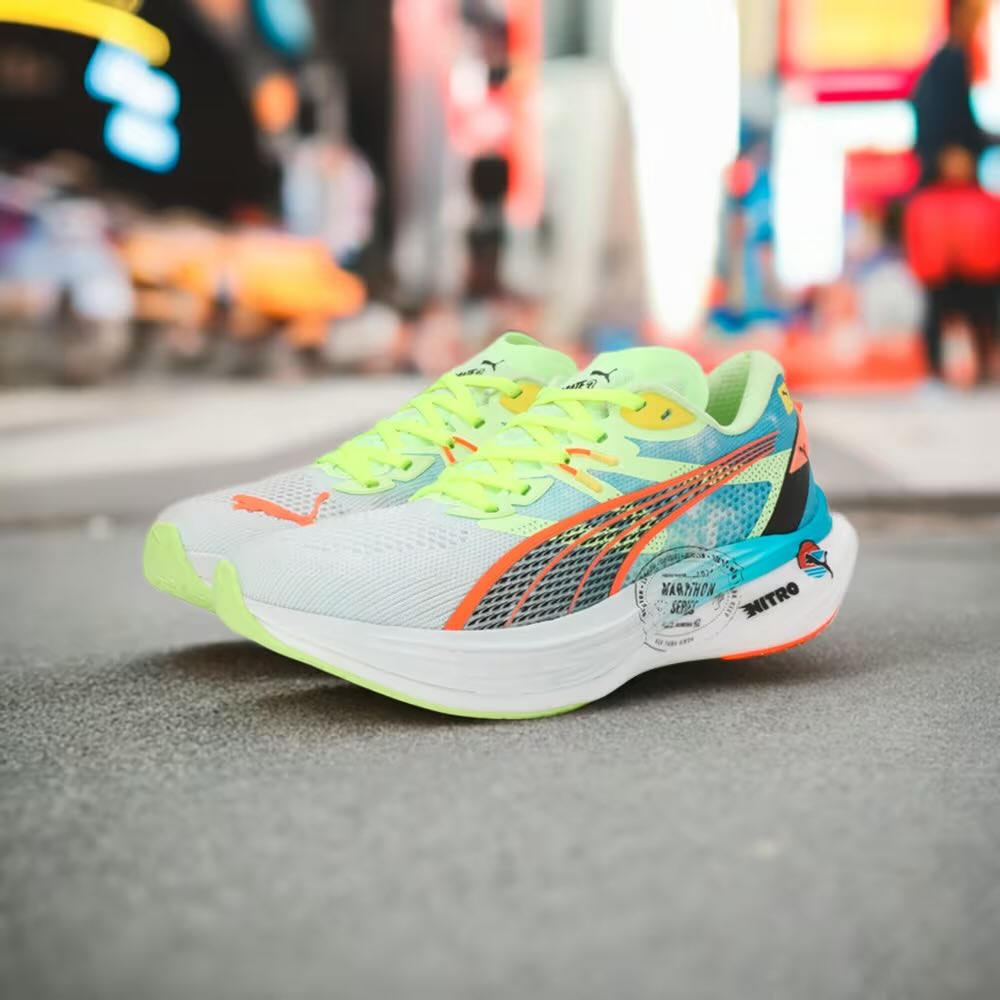
Puma Deviate Nitro 3
Breathability Score: 8/10
Key features: PWRRUN foam, carbon fiber plate, engineered mesh
Best for: Speed training, racing
Why It Stands Out: PWRRUN foam combined with a carbon fiber plate and engineered mesh provides ventilated, responsive performance for fast-paced workouts.
Pros:
- Responsive ride
- Excellent ventilation
- Competitive price
Cons:
- Less cushioning
- Narrower fit
$120–$130
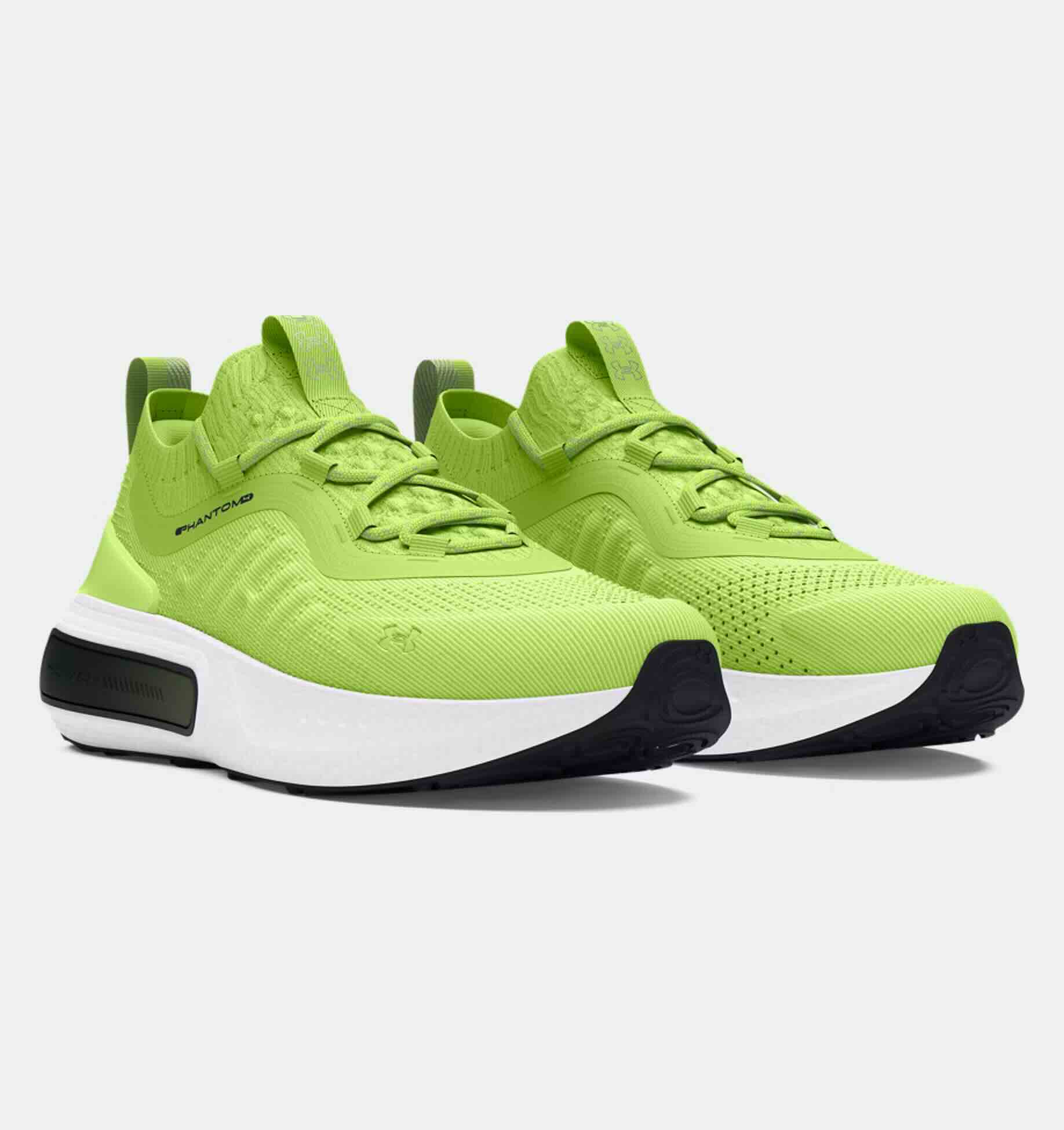
Under Armour HOVR Phantom 4
Breathability Score: 7.5/10
Key features: UA HOVR foam, Bluetooth connectivity, breathable upper
Best for: Tech-savvy runners, data tracking
Why It Stands Out: UA HOVR foam paired with in-shoe Bluetooth connectivity in a breathable design offers both comfort and performance insights.
Pros:
- Smart features
- Good ventilation
- Responsive cushioning
Cons:
- Heavier weight
- Limited color options
$120–$140
Budget-Friendly Category ($60-$100)
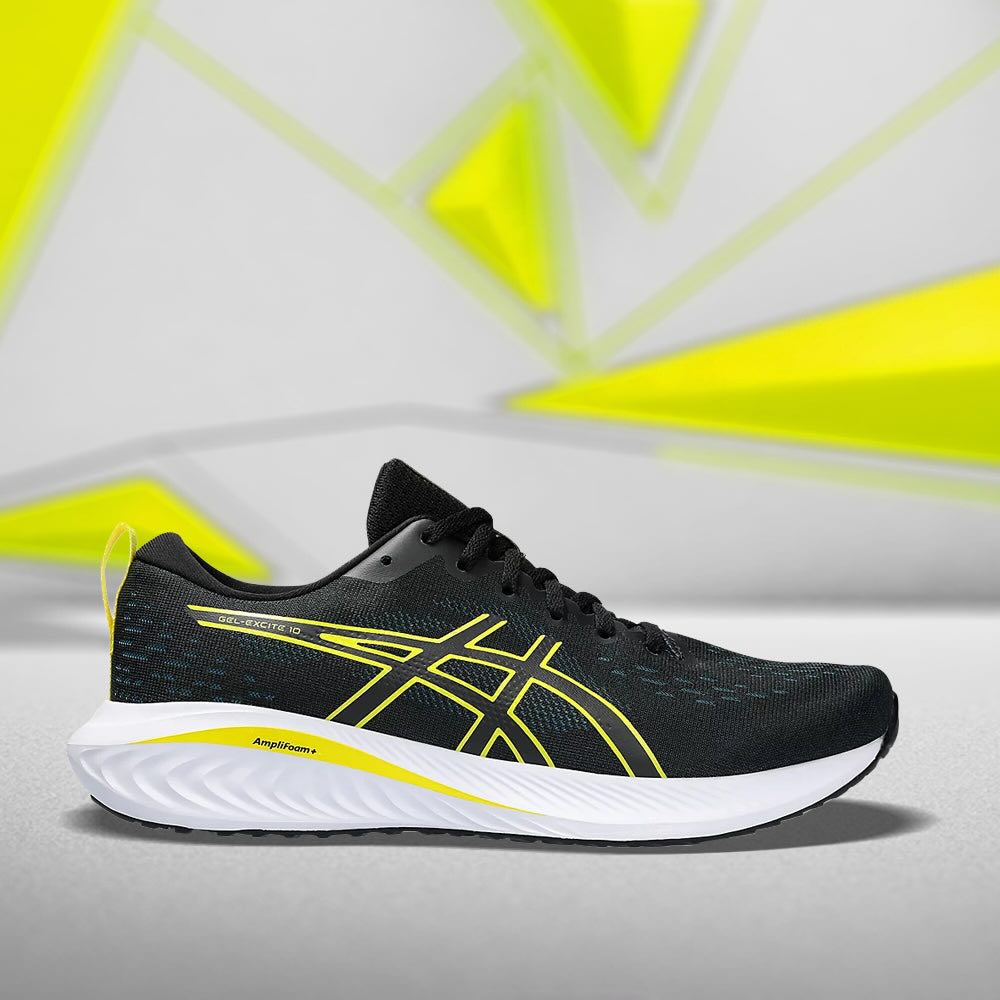
ASICS Gel-Excite 10
Breathability Score: 8/10
Key features: Jacquard mesh upper, AMPLIFOAM+ midsole, GEL technology
Best for: Beginner runners, casual jogging
Why It Stands Out: Jacquard mesh and AMPLIFOAM+ midsole deliver reliable breathability and cushioning at an accessible price point.
Pros:
- Excellent value
- Good breathability
- Comfortable feel
Cons:
- Less advanced features
- Shorter lifespan
$70–$80
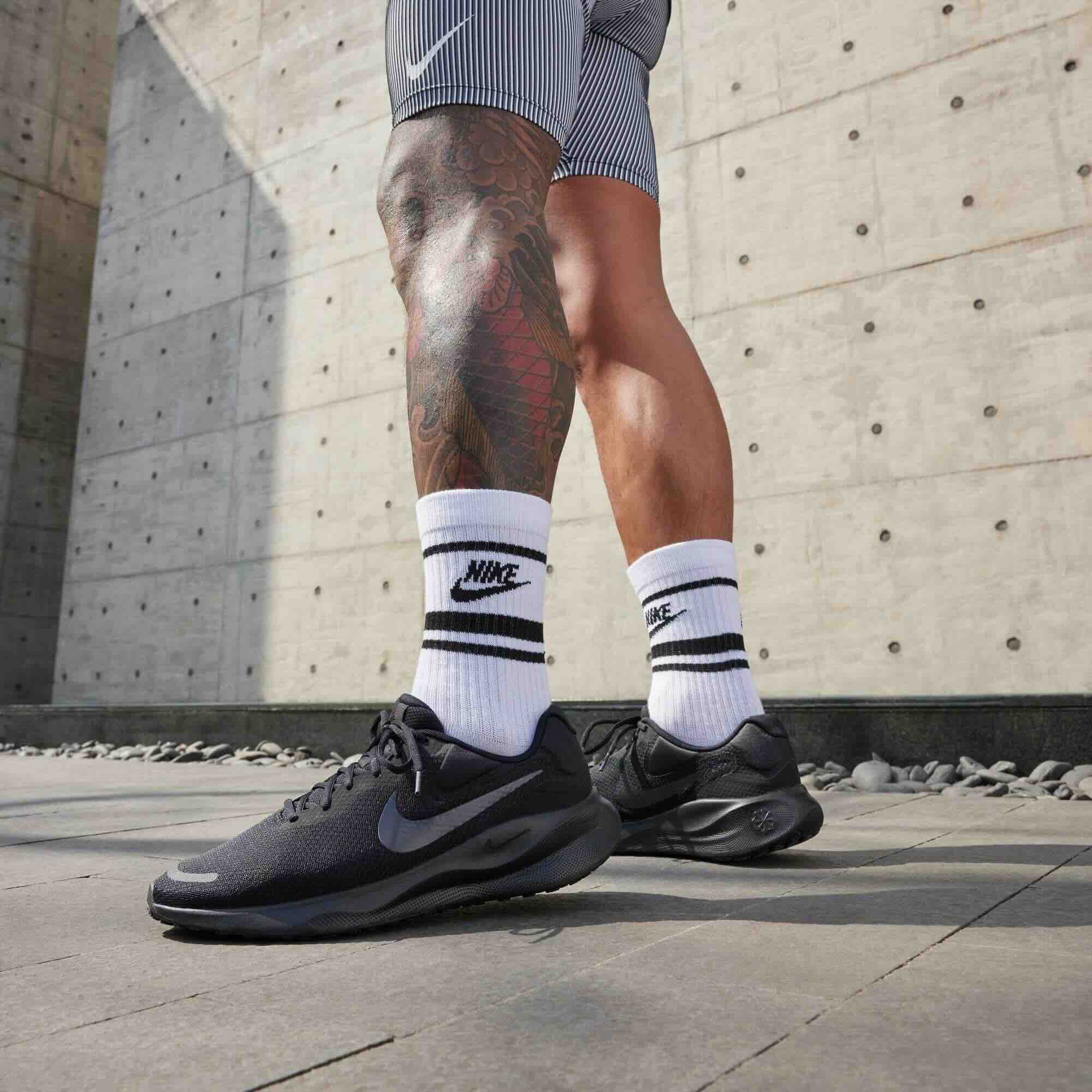
Nike Revolution 7
Breathability Score: 7.5/10
Key features: Mesh upper, foam midsole, flex grooves
Best for: Casual runners, gym workouts
Why It Stands Out: Lightweight mesh and flex grooves provide straightforward ventilation and versatility for everyday activity.
Pros:
- Affordable
- Decent ventilation
- Versatile use
Cons:
- Basic cushioning
- Less durable
$65–$75
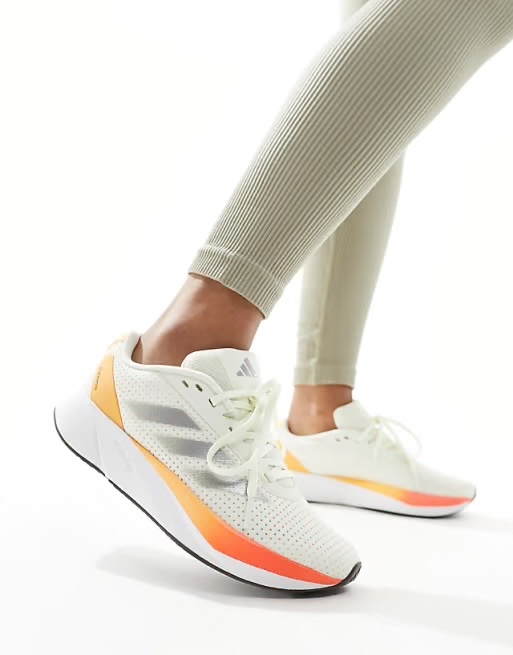
Adidas Duramo SL
Breathability Score: 7.5/10
Key features: Breathable upper, Lightmotion midsole, Adiwear outsole
Best for: Entry-level runners, daily wear
Why It Stands Out: Durable construction and breathable materials deliver comfortable, budget-friendly performance for everyday use.
Pros:
- Budget-friendly
- Comfortable feel
- Good airflow
Cons:
- Limited performance features
$60–$70
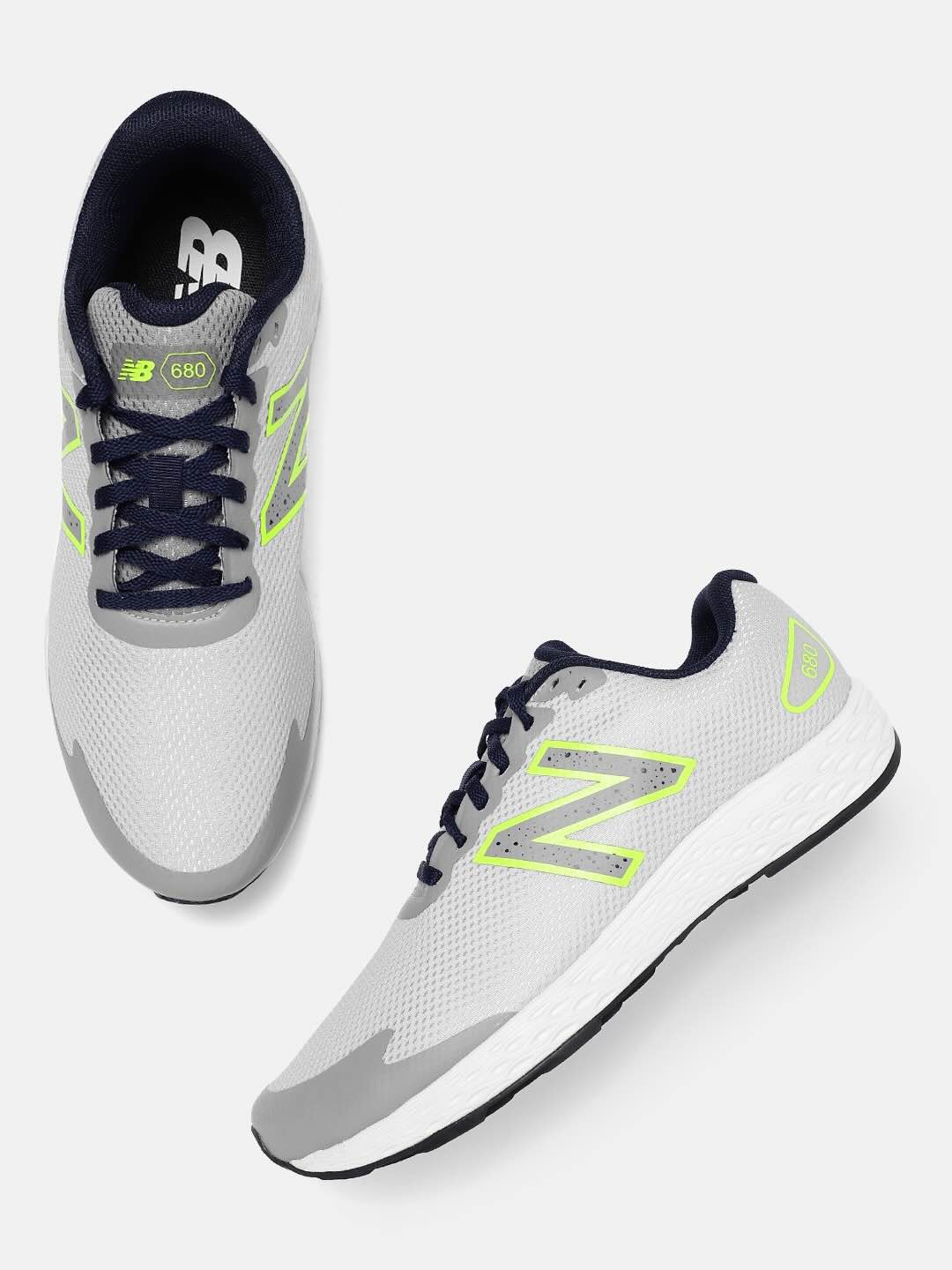
New Balance 680v7
Breathability Score: 8/10
Key features: Mesh and synthetic upper, CUSH+ foam, NB Response outsole
Best for: Wide feet, comfort-focused running
Why It Stands Out: Generous width options and breathable cushioning make this an ideal choice for runners seeking comfort over distance.
Pros:
- Wide width options
- Breathable fit
- Affordable price
Cons:
- Heavier feel
- Basic design
$65–$75
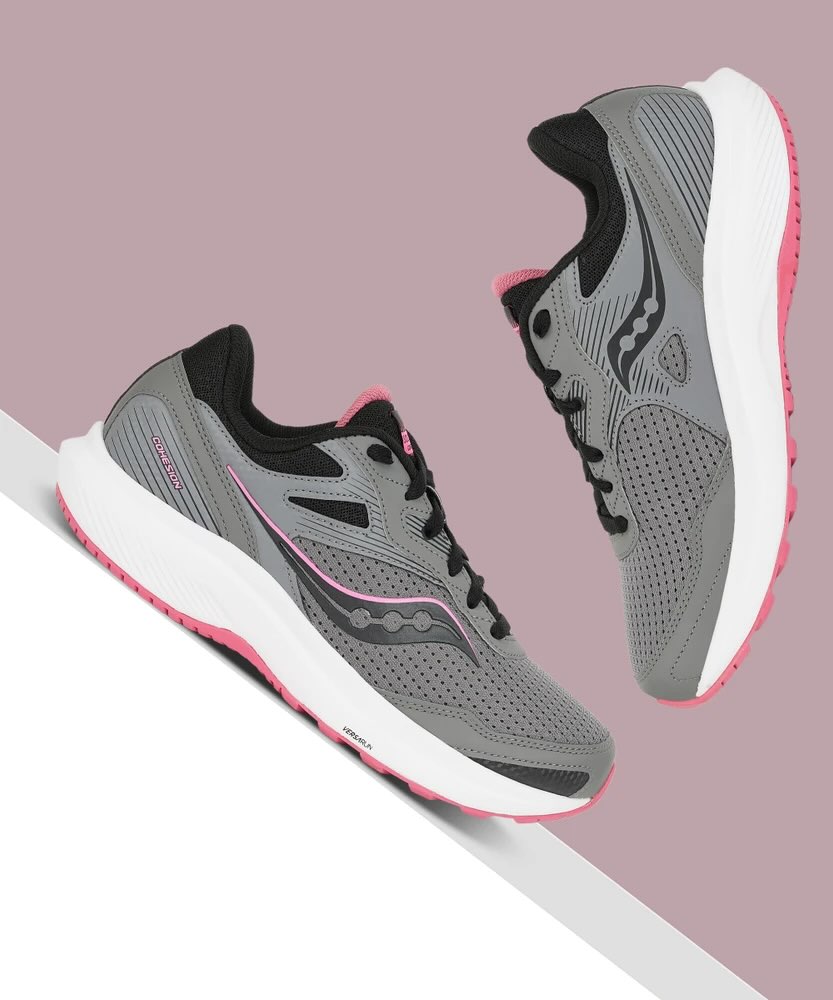
Saucony Cohesion 16
Breathability Score: 7.5/10
Key features: Mesh upper, EVA midsole, rubber outsole
Best for: Beginning runners, walking
Why It Stands Out: Simple mesh design and sturdy EVA midsole provide reliable, breathable support for new and casual runners.
Pros:
- Very affordable
- Adequate ventilation
- Durable build
Cons:
- Minimal features
- Less breathable than premium options
$60–$70
Comparison Charts and Quick Reference
Breathability Ranking Table
| Rank | Shoe | Breathability Score | Price Range | Category |
|---|---|---|---|---|
| 1 | Saucony Kinvara 15 | 9/10 | $110–$120 | Mid-Range |
| 2 | Nike Air Zoom Pegasus 41 | 9/10 | $130–$140 | Premium |
| 3 | Brooks Ghost 16 | 8.5/10 | $140–$150 | Premium |
| 4 | Adidas Ultraboost 23 | 8.5/10 | $180–$200 | Premium |
| 5 | New Balance Fresh Foam X 1080v13 | 8.5/10 | $150–$170 | Premium |
| 6 | Mizuno Wave Rider 27 | 8.5/10 | $125–$135 | Mid-Range |
| 7 | ASICS Gel-Nimbus 26 | 8/10 | $160–$180 | Premium |
| 8 | ASICS Gel-Excite 10 | 8/10 | $70–$80 | Budget |
| 9 | Puma Deviate Nitro 3 | 8/10 | $120–$130 | Mid-Range |
| 10 | Hoka Clifton 10 | 8/10 | $130–$140 | Mid-Range |
| 11 | New Balance 680v7 | 8/10 | $65–$75 | Budget |
| 12 | Nike Revolution 7 | 7.5/10 | $65–$75 | Budget |
| 13 | Adidas Duramo SL | 7.5/10 | $60–$70 | Budget |
| 14 | Saucony Cohesion 16 | 7.5/10 | $60–$70 | Budget |
| 15 | Under Armour HOVR Phantom 4 | 7.5/10 | $120–$140 | Mid-Range |
Category Winners:
Best Premium: Nike Air Zoom Pegasus 41
Best Mid-Range: Saucony Kinvara 15
Best Budget: ASICS Gel-Excite 10
Feature Comparison Matrix
| Shoe | Upper Material | Weight (Men’s US 9) | Drop (mm) | Best For |
|---|---|---|---|---|
| Kinvara 15 | Engineered Mesh | 7.0 oz | 4 | Tempo, Racing |
| Pegasus 41 | Multi-layer Mesh | 9.1 oz | 10 | Daily Training |
| Ghost 16 | Engineered Mesh | 9.8 oz | 12 | Neutral Runs |
| Ultraboost 23 | Primeknit+ | 10.9 oz | 10 | Urban Runs |
| Gel-Excite 10 | Jacquard Mesh | 9.0 oz | 10 | Casual Jogging |
Quick Selection Guide
- For Wide Feet: New Balance 680v7, Fresh Foam X 1080v13
- For Humid Conditions: Saucony Kinvara 15, Mizuno Wave Rider 27
- For Flat Feet: Brooks Ghost 16, ASICS Gel-Nimbus 26
- For High Arches: Nike Air Zoom Pegasus 41, Hoka Clifton 10
- For Speed Work: Puma Deviate Nitro 3, Saucony Kinvara 15
- For Long Runs: ASICS Gel-Nimbus 26, Ultraboost 23
This cheat sheet lets you narrow down your summer shoe choices fast—whether you’re chasing PRs or just trying to keep your feet cool in the heat.
Expert Testing Methodology
To separate hype from real heat-fighting performance, I worked through both lab tests and real-world miles. Here’s exactly how I put these summer running shoes to the test.
Laboratory Testing
- Thermal Imaging Analysis: Using infrared cameras, I tracked heat buildup across the upper, midsole, and outsole during treadmill sessions. Shoes that stayed coolest earned higher marks for breathability under pressure.
- Air Permeability Measurements: Each shoe’s upper was evaluated using airflow sensors to determine how much air passed through under standardized pressure, based on modified ASTM standards. Breathable materials stood out fast.
- Moisture Wicking Tests: Simulated sweat and water vapor exposure helped me assess how well fabrics handled moisture management. Quick-drying uppers earned bonus points.
- Durability Assessments: I flex-tested and compressed shoes repeatedly, measuring changes in ventilation performance over time. Some breathable uppers broke down faster than others—especially in budget models.
Real-World Testing
- Multi-Climate Testing Environments: I ran in dry desert heat, muggy coastal humidity, and moderate climates to observe how breathability shifted across conditions. Shoes that performed well across the board climbed the ranks.
- Various Runner Profiles and Feedback: I included testers with wide feet, high arches, sweaty soles, and even minimalists. Their collective feedback gave deeper insight into comfort and airflow during different running styles.
- Long-Term Wear Testing (300+ Miles): This wasn’t a quick sprint. I logged hundreds of miles to measure how breathability held up. Some mesh materials collapsed or stiffened over time—others didn’t flinch.
- Heat Index Performance Tracking: Shoes were tracked during high-heat runs (heat index above 90°F) to test for overheating, moisture accumulation, and general comfort under stress. Field notes mattered just as much as lab data.
Evaluation Criteria
- Breathability Scoring System (1–10): I combined lab airflow results, sweat test outcomes, and runner feedback into a composite score. The higher the score, the cooler your feet stayed.
- Weight Considerations: I factored in total shoe weight—lighter shoes generally allow better airflow and feel less oppressive in heat.
- Comfort and Fit Assessment: A breathable shoe is useless if it fits poorly. I rated how well each shoe conformed to the foot without sacrificing airflow.
- Durability and Longevity Factors: Some shoes lost their breathable properties after heavy mileage. I downgraded any pair that couldn’t keep up over time.
- Value for Money Analysis: I compared performance against price to highlight shoes that offer serious cooling power without torching your wallet.
Bottom line? I didn’t just go with brand names or hype—I tested these summer runners with sweaty miles, scientific tools, and honest wear-and-tear. Only the best breathable shoes made it through.
Additional Summer Running Tips

Breathable pair of shoes are just one part of the puzzle when you’re training through a heatwave. Here are some crucial extras that keep my summer runs cooler, safer, and more enjoyable.
Optimal Running Times
- Run Early or Late: Aim for morning runs before 9 AM or evening runs after 7 PM. These windows offer lower temperatures and reduced UV exposure.
- Check the Heat Index: Don’t rely on temperature alone. The heat index combines humidity and temperature to show how hot it really feels. Anything above 90°F means added stress on the body.
- Mind the UV Index: A UV index over 6 means you’re risking sunburn in under 30 minutes. If you’re sensitive to sunlight or training midday, opt for shaded routes or gym treadmills.
- Indoor Options Count: When it’s dangerously hot, head indoors. Treadmill workouts can be just as effective, and you’ll save your body from unnecessary overheating.
Hydration and Safety
- Start Hydrated: Drink at least 16–20 oz of water with electrolytes 1–2 hours before your run. Add a pinch of salt to help with retention if you’re prone to sweating heavily.
- Stay Fueled Mid-Run: For runs over 45 minutes, bring a handheld bottle or hydration vest. Sip 5–8 oz every 20 minutes. Consider tablets like LMNT or Nuun for fast-acting electrolytes.
- Know the Signs of Heat Exhaustion: Dizziness, nausea, chills, headaches, or confusion? Stop immediately. Cool down, hydrate, and seek shade. Pushing through heat danger zones is never worth it.
Complementary Gear
- Moisture-Wicking Socks: Avoid cotton. I go for thin, breathable socks made with synthetic blends or merino wool. Brands like Balega and Feetures keep feet dry and friction-free.
- Cooling Accessories: A lightweight buff soaked in cold water around the neck can bring your core temp down. Arm sleeves with UV protection are another secret weapon against direct sun.
- Foot Care Products: Use anti-chafing balms (like Body Glide) before runs. Post-run, apply foot powders or sprays with menthol to cool and reduce odor. Store shoes in a ventilated area to dry out fully.
Pair breathable shoes with the right habits, hydration, and gear, and you’ll not only survive—but thrive—during hot summer runs.