

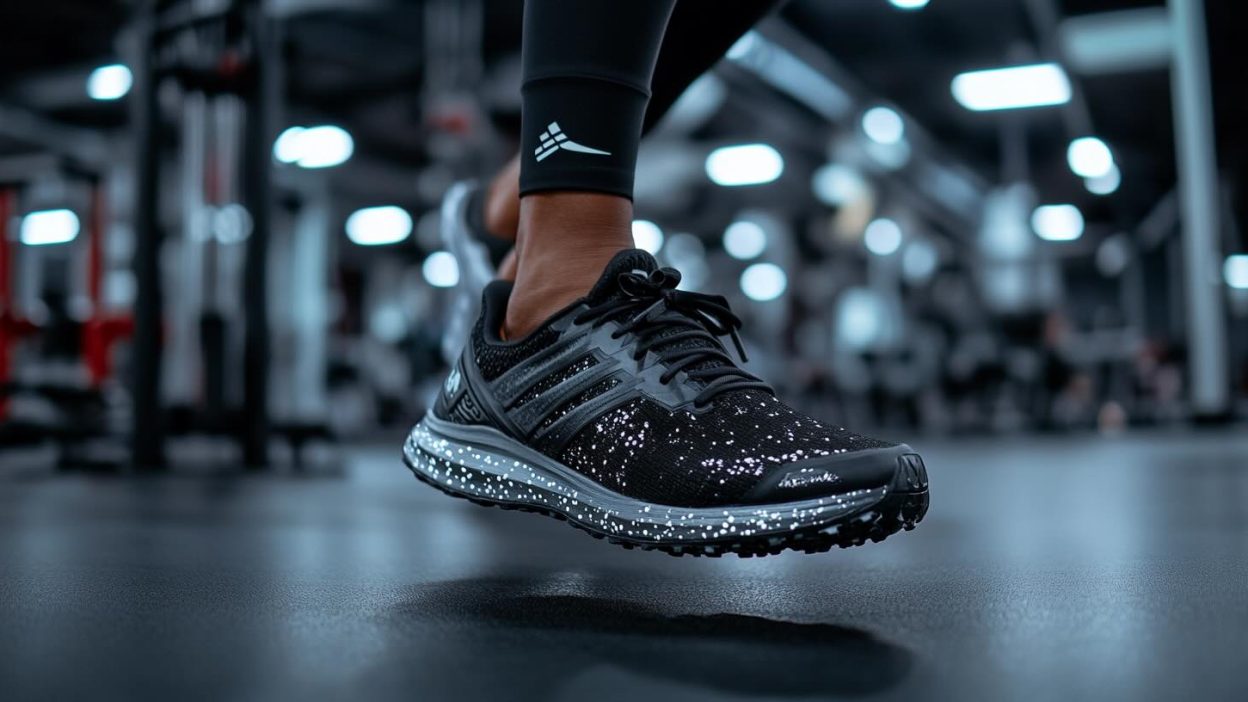
High-Intensity Interval Training (HIIT) has become a popular workout choice for fitness enthusiasts looking to maximize their results in a shorter amount of time. However, selecting the right shoes for HIIT workouts is crucial for both performance and injury prevention. With a wide variety of training shoes available, it can be overwhelming to determine which are the best HIIT shoes for your specific needs. In this article, we will explore the top features to look for in HIIT shoes, compare leading brands, and discuss how to choose the best pair for your unique foot type and workout style.
What Are the Best HIIT Shoes for High-Intensity Interval Training?
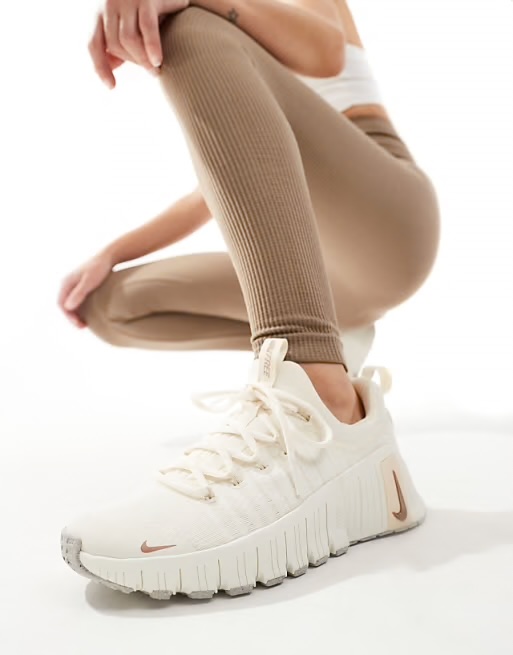
Nike Free Metcon 6
Why It’s Great: Combines cardio and strength training support with responsive cushioning and a breathable upper.
Pros:
- Excellent all-around support for dynamic movements.
- Breathable mesh upper for cool comfort.
- Grippy outsole for traction and stability.
Cons:
- May feel bulky for speed-focused workouts.
$120
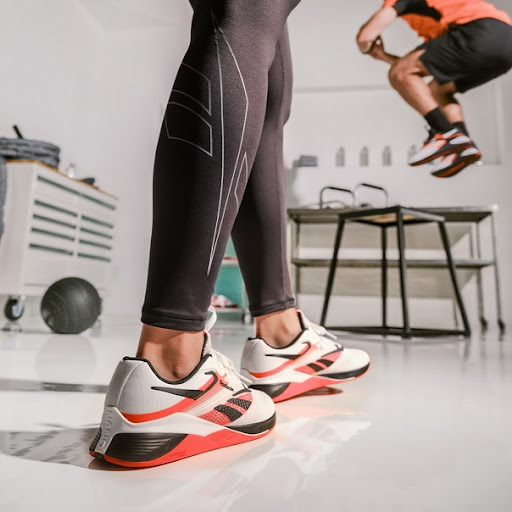
Reebok Nano X4
Why It’s Great: Lightweight and flexible with excellent shock absorption for fast-paced workouts.
Pros:
- Great for agility and quick transitions.
- Flexible upper adapts to movement.
- Comfortable for both indoor and outdoor training.
Cons:
- Less supportive for heavy lifting sessions.
$140
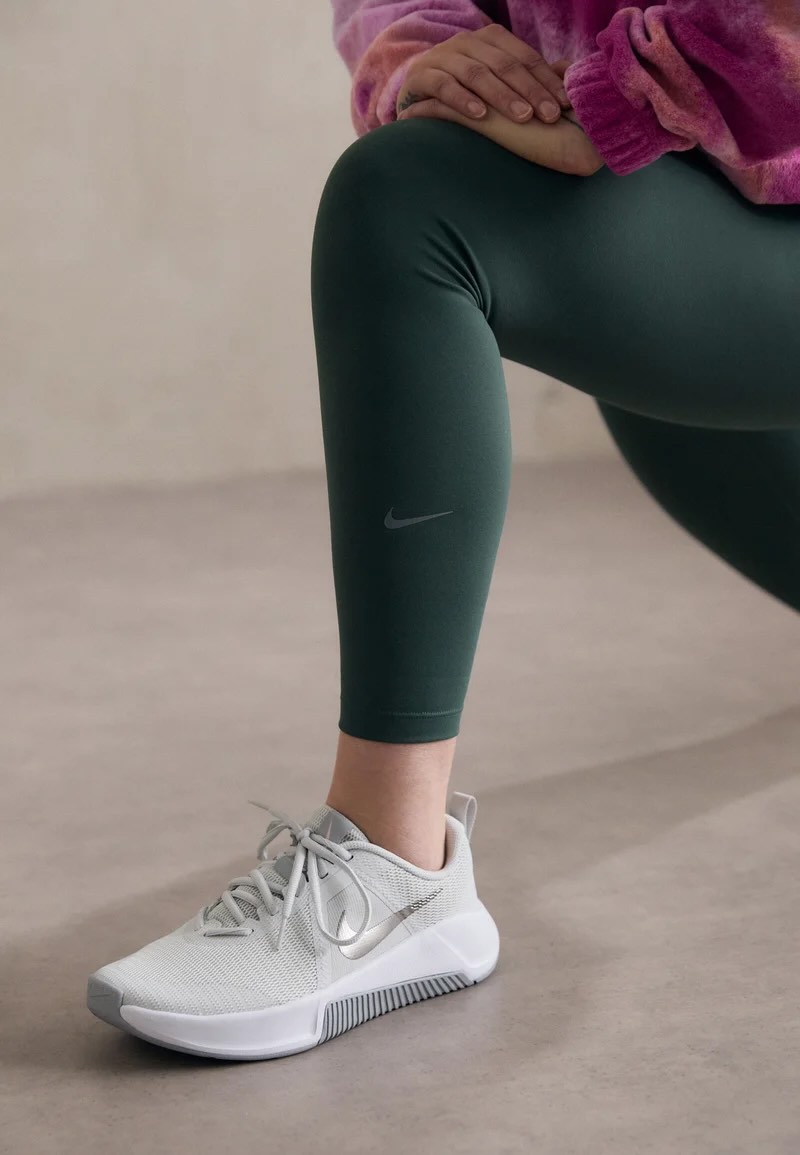
Nike MC Trainer 3
Why It’s Great: Excellent fit for wide feet, offering dependable support and budget-friendly performance.
Pros:
- Spacious toe box for wide foot comfort.
- Durable outsole for strength training.
- Affordable price tag.
Cons:
- Lacks premium cushioning for longer sessions.
$75
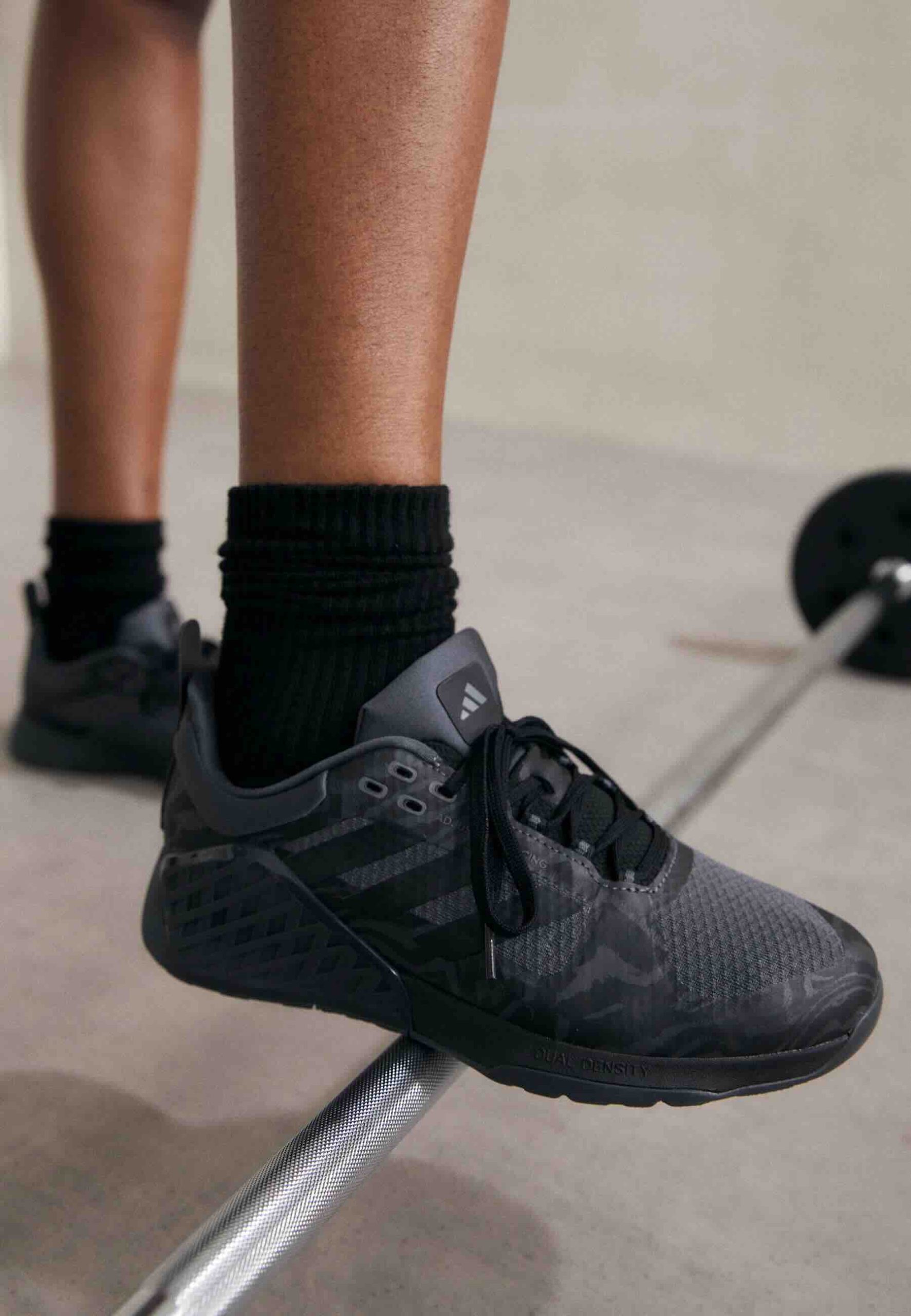
Adidas Dropset 3
Why It’s Great: Ideal for flat feet, this model delivers reliable arch support and a stable ride during training.
Pros:
- Firm, stable base for strength exercises.
- Arch support for flat-footed users.
- Flexible upper improves breathability.
Cons:
- Heavier than minimalist models.
$130
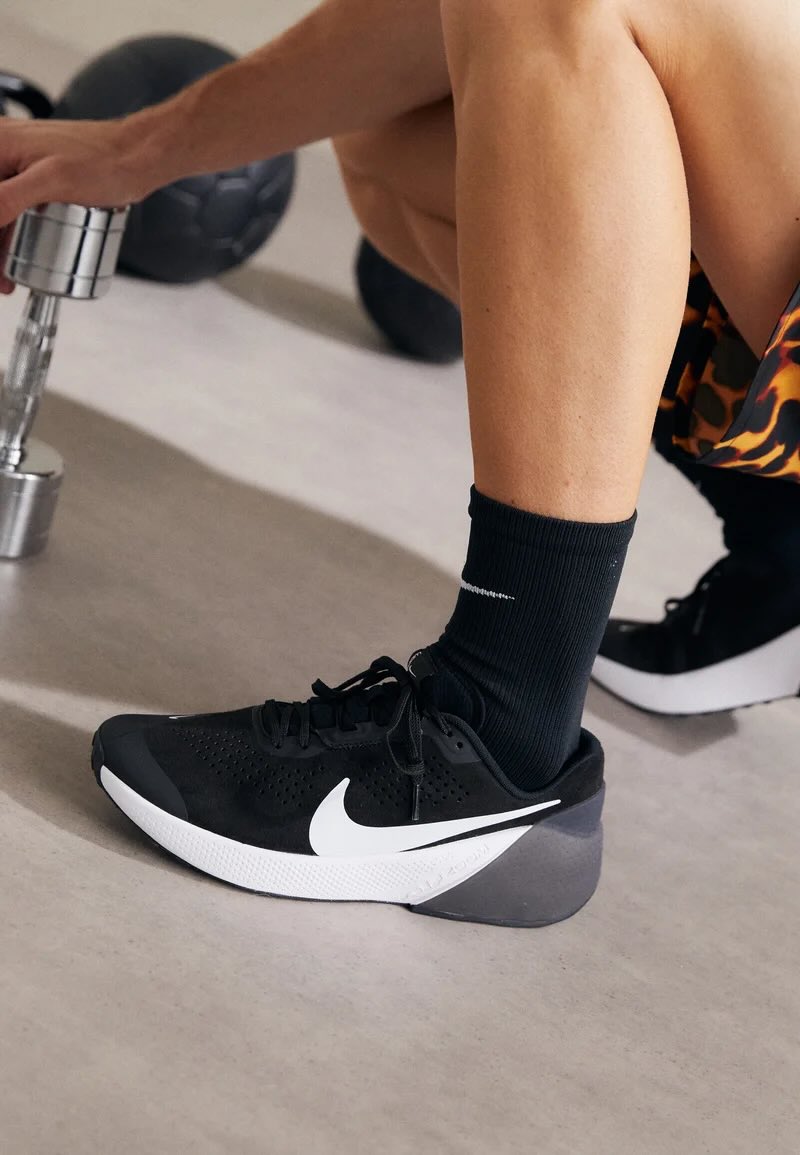
Nike Air Zoom TR 1
Why It’s Great: Best for high arches, this shoe provides ample cushioning and responsiveness for HIIT impact protection.
Pros:
- Plush midsole reduces shock.
- Great fit for high-arched feet.
- Supportive for jumping and sprinting drills.
Cons:
- Not ideal for lifting-heavy workouts.
$125
Top Features to Look for in HIIT Shoes
When searching for shoes for HIIT workouts, there are several key features to consider. HIIT training often involves a mix of strength training and cardio, so your training shoes should provide a balance of cushioning and responsiveness. The midsole of the shoe plays a vital role in how well it absorbs impact during intense workouts. Look for shoes with a cushioned midsole that can withstand high-impact movements such as sprints and dropsets.
Another essential feature is the outsole. A rubber outsole with a good grip is critical for maintaining traction during dynamic movements. The upper part of the shoe should be breathable to allow for airflow during intense sessions, helping to regulate temperature and moisture. A wide toe box is also beneficial for individuals with flat feet or high arches, as it allows for natural foot movement and comfort throughout every HIIT session.
Comparison of Nike and Reebok HIIT Shoes
Two of the most recognized brands in the fitness footwear market are Nike and Reebok, both of which offer a range of high-quality HIIT shoes. Nike’s Free Metcon 6, for example, is designed for versatility, combining elements of strength training and cardio. Its responsive cushioning and supportive upper provide the stability needed for various movements. On the other hand, the Reebok Nano X4 is renowned for its durability and performance in intense workouts, featuring a flexible and breathable design that adapts well to various training styles.
When comparing these two brands, consider your workout preferences. If you engage in a mix of bodyweight training and heavy lifting, the Nike Free Metcon 6 may be the best bet for you. Conversely, if your HIIT sessions focus more on agility and speed, the Reebok Nano X4 could be the superior option.
Best HIIT Shoes for Different Foot Types
Understanding your foot type is crucial when selecting the best HIIT shoes. Individuals with wide feet should prioritize shoes that offer a spacious toe box and a flexible upper to accommodate their foot shape. The Nike MC Trainer 3, for example, is known for its comfort and fit for wide feet, making it a favorable choice for those who struggle to find adequate training shoes.
If you have flat feet, look for shoes with a supportive midsole that offers excellent arch support. The Adidas Dropset 2 comes with a sturdy construction designed to provide stability for flat-footed individuals. For those with high arches, a shoe with ample cushioning and a responsive midsole is essential, as it will help absorb shock during intense workouts. The Nike Air Zoom TR 1 features a cushioned design that can benefit those with high arches, ensuring comfort throughout every HIIT workout.
How Do I Choose the Right HIIT Shoe for My Workout?

Understanding Cushioning and Support in HIIT Shoes
Cushioning and support are two critical factors to consider when choosing the right HIIT shoe. A shoe with adequate cushioning can absorb the impact of high-intensity movements such as sprinting, jumping, and quick lateral movements. Look for shoes that feature responsive midsoles designed to provide a balance between cushioning and stability. This ensures that you can perform explosive movements without compromising your foot’s health.
Support is equally important, particularly for those participating in strength training components of HIIT workouts. A shoe that offers a secure fit around the heel and midfoot can help prevent injuries and improve overall performance. Brands like Nike and Reebok often incorporate supportive technology in their designs, making them suitable choices for intense training sessions.
Importance of Breathability in Training Shoes
Breathability is a significant aspect of HIIT shoes, especially during high-intensity training sessions. Shoes designed with breathable materials allow for airflow, helping to keep your feet cool and dry. This is particularly important during workouts that involve sweat-inducing movements. Selecting shoes with a mesh upper can enhance breathability and improve overall comfort during your training sessions.
Incorporating breathable shoes into your workout routine can also help reduce the risk of blisters and discomfort, allowing you to focus on your performance rather than your footwear. As you evaluate your options, prioritize shoes that offer both comfort and breathability, ensuring optimal performance in every HIIT session.
Fit and Comfort: Finding Shoes for HIIT Workouts
Finding the right fit is essential when selecting shoes for HIIT workouts. A poorly fitting shoe can lead to discomfort and potential injuries, so take the time to try on various sizes and styles. Pay attention to how the shoes fit around your heel, midfoot, and toe box. The ideal shoe should feel snug but not overly tight, allowing for natural movement while providing the necessary support.
It’s also important to consider the type of activities you will be performing. If your workouts include a lot of lateral movements or quick changes in direction, opt for shoes that offer a secure fit to prevent slippage. Ultimately, the best shoes for HIIT are those that feel comfortable and allow you to perform at your best during every workout.
What Are the Best Budget HIIT Shoes Available?

Affordable Options for HIIT Sessions
Budget-conscious fitness enthusiasts need not compromise on quality when looking for HIIT shoes. There are several affordable options on the market that provide excellent performance without breaking the bank. Many brands offer budget HIIT shoes that feature the essential elements necessary for high-intensity training, such as responsive cushioning, durable outsoles, and breathable materials.
One popular option is the Nike MC Trainer 3, which provides solid support and comfort at a reasonable price point. Another affordable choice is the Reebok Nano X1, known for its versatility and ability to perform well in both strength and cardio segments of HIIT workouts. Investing in budget-friendly shoes can help you stay on track with your fitness goals without overspending.
Evaluating Performance vs. Price in HIIT Shoes
When considering budget HIIT shoes, it’s essential to evaluate performance against price. While some lower-cost options may seem appealing, they may not provide the durability and support required for high-intensity workouts. Look for shoes that offer a balance between affordability and quality to ensure you are investing in a product that will withstand the rigors of training.
Researching user reviews and feedback can also provide insight into the performance of budget options. Many users share their experiences with specific models, helping you make an informed decision. Ultimately, the goal is to find shoes that offer the best value for your money, ensuring you can participate in your HIIT workout without any hindrances.
Top Budget HIIT Shoes from Popular Brands
Several popular brands have made a name for themselves in the budget-friendly HIIT shoe market. Apart from Nike and Reebok, brands like Adidas and Under Armour also offer affordable options that cater to the needs of HIIT enthusiasts. The Adidas Cloud X 4, for instance, is a versatile shoe that excels in both training and running, making it a suitable choice for those who engage in various workout styles.
Under Armour’s Charged Assert 8 is another excellent budget option, designed to provide a comfortable fit and ample cushioning for high-intensity workouts. By exploring different brands and models, you can find the perfect budget HIIT shoes that meet your training needs without sacrificing quality.
How Do Nike Free Metcon 6 and Reebok Nano X4 Compare for HIIT?

Key Features of Nike Free Metcon 6
The Nike Free Metcon 6 is designed with versatility in mind, making it an excellent choice for those who participate in a variety of HIIT workouts. Its responsive cushioning and supportive structure provide the necessary stability for dynamic movements, ensuring you can perform exercises effectively. The shoe features a breathable upper that promotes airflow, keeping your feet cool even during the most intense workouts. Additionally, its durable rubber outsole is designed for excellent traction, whether you’re sprinting or performing strength training exercises.
Advantages of Reebok Nano X4 for Intense Workouts
Reebok’s Nano X4 is another top contender in the HIIT shoe market, known for its performance in intense workouts. The shoe’s flexible design allows for natural foot movement, making it ideal for agility drills and quick changes in direction. Its cushioned midsole provides excellent shock absorption, ensuring comfort during high-impact activities. The Nano X4 also features a robust outsole designed to grip various surfaces, making it suitable for both indoor and outdoor training sessions.
User Reviews and Feedback on Both Models
User reviews reveal a wealth of information about the performance of both the Nike Free Metcon 6 and Reebok Nano X4. Many users praise the Free Metcon 6 for its all-around versatility and comfort, particularly during strength training sessions. However, some users note that it may feel bulkier compared to other training shoes. In contrast, the Reebok Nano X4 receives accolades for its lightweight feel and optimal flexibility, making it a favorite for those engaged in bodyweight training and cardio. Ultimately, the choice between these two models may come down to personal preference and specific workout requirements.
Can I Use Regular Running Shoes for HIIT Workouts?

Differences Between Running Shoes and HIIT Training Shoes
While it may be tempting to use a pair of running shoes for HIIT workouts, there are significant differences between running shoes and HIIT training shoes. Running shoes are specifically designed for forward motion, providing cushioning and support geared towards long-distance running. In contrast, HIIT shoes are built to accommodate a range of movements, including lateral motions, jumps, and quick pivots. The lack of stability and support in running shoes can lead to discomfort and increase the risk of injury during intense training sessions.
Risks of Using Running Shoes for HIIT Sessions
Using regular running shoes for HIIT sessions can pose several risks. The cushioning in running shoes is typically softer, which may not provide the necessary support for the various movements involved in HIIT training. This can lead to issues such as ankle sprains or foot injuries, particularly during high-impact exercises. Additionally, running shoes often lack the grip and traction needed for explosive movements, making it easier to slip and fall during workouts.
When to Choose a Trainer Over a Running Shoe
It’s essential to choose a trainer over a running shoe when engaging in HIIT workouts that involve a variety of movements. If your workout includes strength training, bodyweight exercises, or agility drills, investing in a pair of HIIT shoes will provide the support and stability necessary for optimal performance. Trainers are designed to handle the diverse demands of HIIT sessions, ensuring you can perform at your best while minimizing the risk of injury. Ultimately, selecting the right footwear is critical for achieving your fitness goals safely and effectively.