
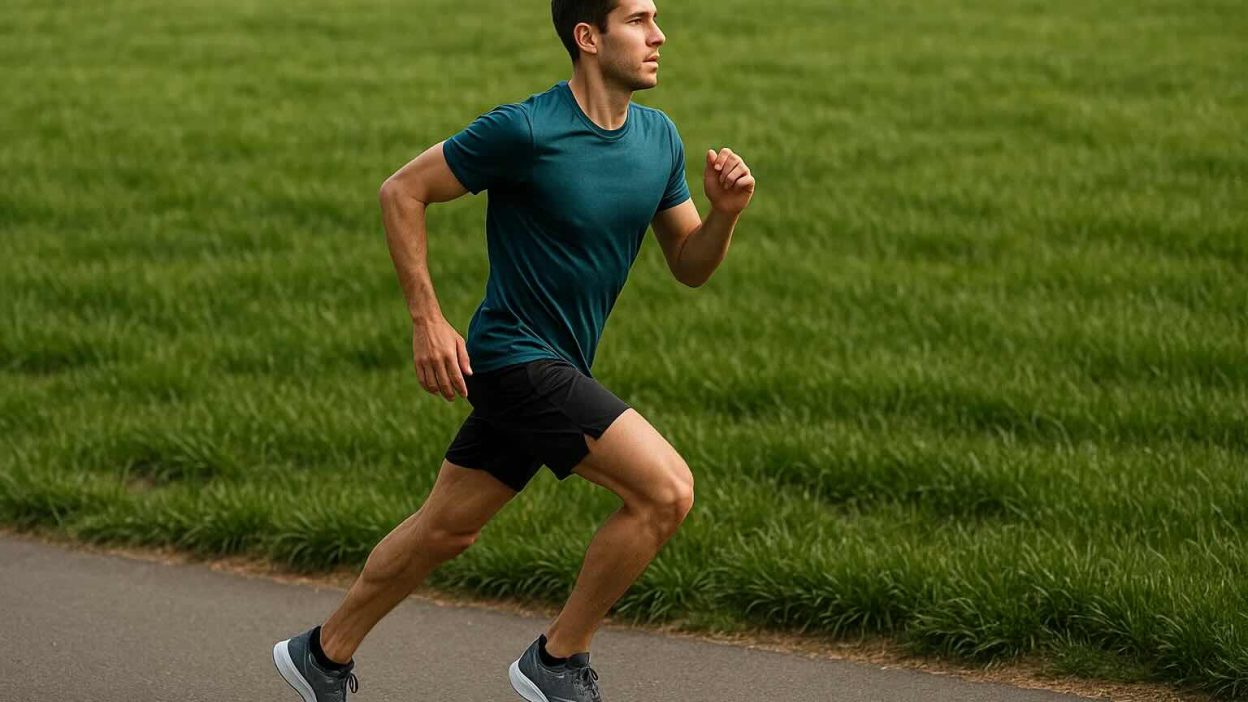
Improving your running form is key to running faster and preventing injuries. Whether you’re a beginner or an experienced runner, adopting the right techniques can make a significant difference. In this guide, we’ll cover essential tips on posture, foot strike, arm swing, cadence, and more to enhance your performance.
Understanding the Basics of Running Form

Mastering the fundamentals of running form is essential for improving performance and reducing the risk of injury. Paying attention to posture, head position, and shoulder relaxation can make a significant difference in your running efficiency and comfort.
Posture: Importance of Maintaining an Upright Body Position
One of the most crucial aspects of good running form is maintaining an upright posture. Running with a straight spine helps you breathe more easily and move more efficiently. Slouching or leaning forward places unnecessary stress on your lower back and can lead to poor performance. When you hunch over, your body becomes less aerodynamic, and your muscles have to work harder, increasing fatigue and injury risk.
Head Position: Keeping Your Head Neutral and Facing Forward
Your head position plays a significant role in maintaining good balance and ensuring that your form remains efficient. Aim to keep your head neutral, with your chin slightly tucked and eyes looking ahead. Tilting your head forward or looking down can disrupt your balance and create unnecessary strain on your neck and shoulders. Additionally, improper gaze can cause you to lose focus and reduce your running efficiency.
Shoulder Relaxation: Importance of Relaxed Shoulders and Avoiding Tension
Keeping your shoulders relaxed is essential to running efficiently. Tensing your shoulders creates unnecessary tightness that can lead to fatigue, arm swings that feel forced, and an overall decrease in energy. Focus on maintaining a natural arm swing, with your shoulders staying loose and relaxed. This will help you conserve energy and prevent unnecessary muscle tension, allowing you to run longer and with less effort.
Foot Strike
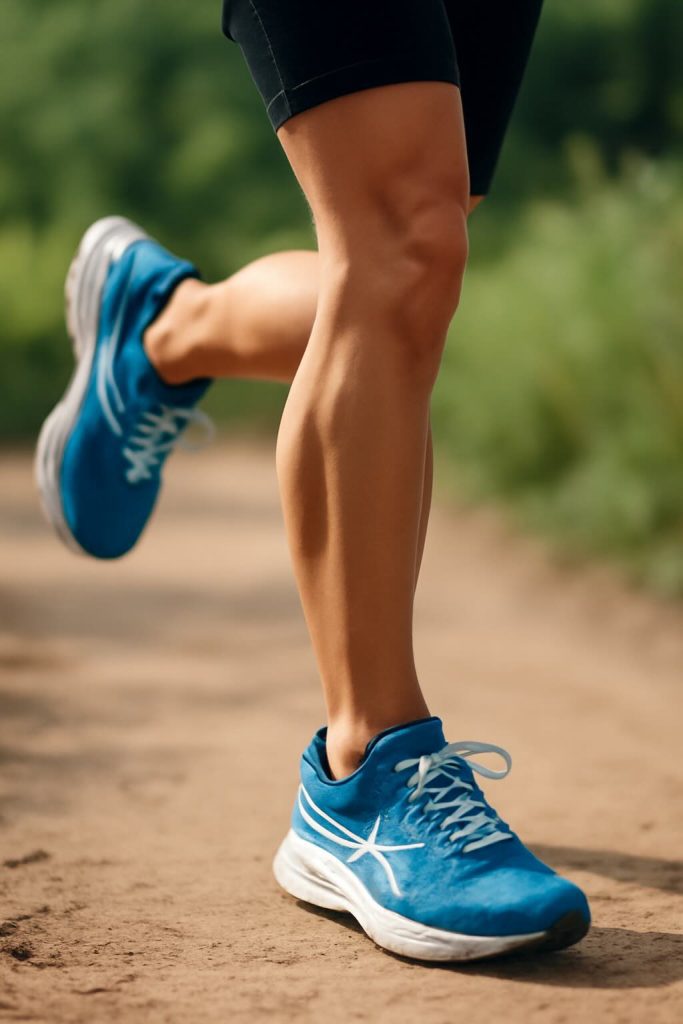
Foot strike is a key element of running form that significantly impacts your speed, efficiency, and injury risk. Understanding the different types of foot strikes and choosing the right footwear can help you run more comfortably and effectively.
Types of Foot Strikes: Heel Strike, Midfoot Strike, and Forefoot Strike
There are three common types of foot strikes: heel strike, midfoot strike, and forefoot strike. Each one has its pros and cons, affecting your running performance and injury prevention.
- Heel Strike: This is when the heel hits the ground first. It’s the most common foot strike for beginners.
- Pros: Natural for many runners, especially those new to running.
- Cons: Can lead to increased impact on knees and hips, especially if your stride is too long. It may also cause slower speeds due to a less efficient stride.
- Midfoot Strike: The middle of your foot strikes the ground first, providing a more balanced and efficient landing.
- Pros: Reduces the risk of injury, especially in the knees and hips. Allows for quicker transitions and better energy return.
- Cons: Requires good technique and strength to master.
- Forefoot Strike: The ball of your foot makes contact with the ground first, commonly seen in sprinters.
- Pros: Reduces impact on joints and allows for faster speeds, especially for short bursts.
- Cons: May put additional strain on your calves and Achilles tendon if overused, leading to potential injury.
Proper Foot Alignment: Landing Beneath Your Body for a Balanced Stride
For an efficient stride, it’s essential that your foot lands directly beneath your body, not ahead of you. Over-striding, where your foot lands too far in front of your body, can lead to unnecessary braking forces, slowing you down and increasing the risk of injury. This improper alignment can also cause strain on your knees, hips, and lower back, leading to fatigue and potential long-term damage.
Footwear: How to Select Running Shoes that Align with Your Foot Strike and Gait
Your choice of running shoes plays a vital role in supporting your foot strike and overall gait. A good pair of running shoes should match your foot strike type and provide adequate cushioning and stability. If you’re a heel striker, look for shoes with more cushioning to absorb the impact. For midfoot or forefoot strikers, you may want shoes that offer flexibility and responsiveness to allow a smooth transition through your stride.
- Cushioning: Provides shock absorption and protects your joints, especially important for heel strikers.
- Stability: For overpronators or flat-footed runners, shoes with stability features like arch support can help prevent injury.
- Flexibility: If you’re a forefoot or midfoot striker, look for shoes with more flexibility to encourage natural movement.
Arm Swing

Your arm swing plays a crucial role in maintaining balance, rhythm, and speed while running. Proper arm technique helps conserve energy, enhances efficiency, and reduces fatigue, allowing you to run faster and longer with less effort.
Arm Position: Elbows Bent at 90 Degrees, Moving Naturally with Your Stride
To optimize your running form, keep your elbows bent at about 90 degrees, allowing your arms to swing naturally with your stride. A controlled arm swing helps maintain your balance and aids in creating a steady rhythm. Your arms should move in sync with your legs to create an efficient, natural flow that keeps you running smoothly.
- Balance: A natural arm swing counters the forward motion of your legs, preventing excessive swaying and helping to stabilize your body.
- Rhythm: A consistent arm swing aids in establishing a steady running rhythm, making each step feel more fluid and less effortful.
Avoiding Overexaggeration: How Excessive Arm Movement Can Waste Energy
While a natural arm swing is essential, overexaggerating the movement can waste valuable energy. Excessive arm motion, such as swinging your arms too high or across your body, can slow you down and cause unnecessary fatigue. Keeping your arms too high puts strain on your shoulders and neck, while crossing them over your body disrupts your natural running alignment, creating unneeded rotational forces.
- Energy Waste: Over-exaggerating the arm swing results in wasted energy that could be better spent on your stride and cadence.
- Muscle Fatigue: Excessive arm movement can lead to shoulder and upper body tension, contributing to muscle fatigue and reducing running efficiency.
Synchronization: How Your Arms Should Match the Rhythm of Your Legs
Your arm swing should mirror the rhythm of your legs to maximize running efficiency and speed. When your arms swing in harmony with your legs, they help propel you forward and maintain a steady pace. The cadence of your arms should match your stride, helping you run more fluidly and conserve energy. Proper synchronization also promotes better overall posture, ensuring that your body remains aligned and efficient throughout the run.
- Cadence: A consistent arm swing helps improve your running cadence, contributing to a faster, more efficient pace.
- Speed: Proper synchronization between your arms and legs allows you to run with better speed, minimizing any disruptions in your stride or rhythm.
Running Cadence
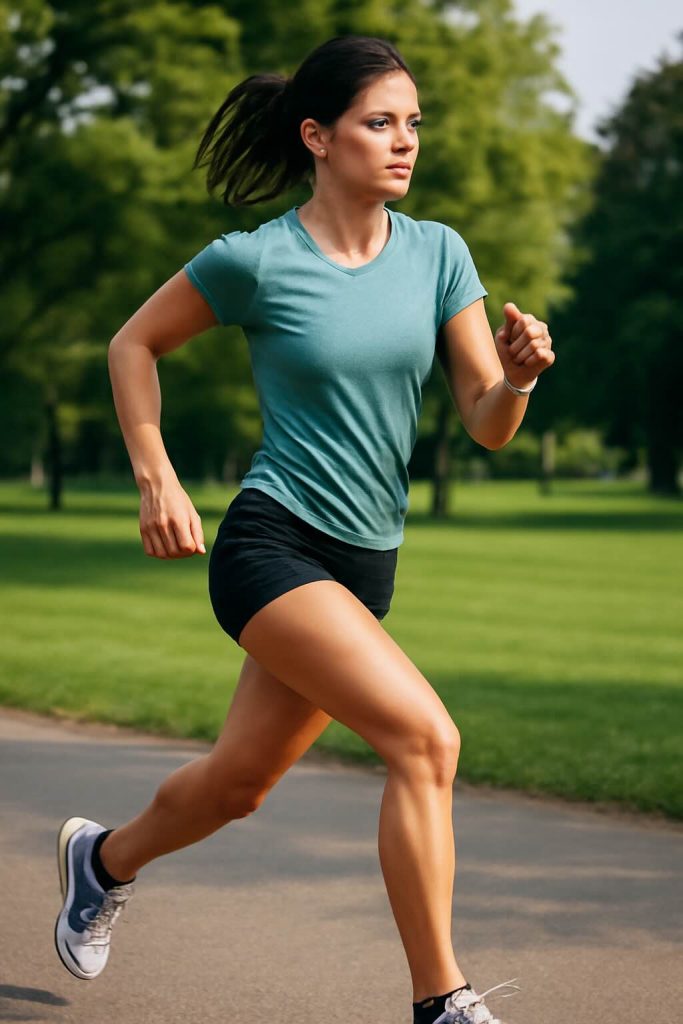
Running cadence refers to the number of steps you take per minute (SPM), and it plays a critical role in your running efficiency and speed. By optimizing your cadence, you can improve performance, reduce injury risk, and become a more efficient runner overall.
What is Cadence?: Number of Steps Per Minute (SPM) and Its Effect on Speed
Cadence is the number of steps you take in one minute while running. It directly influences your speed, with faster cadences often correlating with quicker times. A common target for most runners is between 170 and 180 steps per minute (SPM). This range allows for a balanced stride that maximizes efficiency without sacrificing speed.
- Ideal Cadence for Different Runners: The target cadence can vary slightly depending on the runner’s body type, experience, and running style. However, for most recreational runners, aiming for 170-180 SPM provides a sweet spot for improved speed and reduced injury risk.
- Effect on Speed: A higher cadence typically leads to shorter strides, but by increasing turnover, you can improve your speed while maintaining a more efficient form.
How to Improve Cadence: Strategies for Increasing Cadence and Shortening Stride
Improving your cadence involves focusing on increasing the number of steps you take without drastically lengthening your stride. Here are some effective strategies to boost your cadence:
- Use of Metronome Apps: Many apps are available to help runners achieve a consistent cadence by playing a steady beat in sync with your desired steps per minute.
- Cadence Drills: Incorporate cadence-focused drills, such as “fast feet,” where you concentrate on taking quicker, lighter steps for short intervals. This can help train your body to move more efficiently and increase your cadence over time.
- Focus on Quicker Steps: Instead of thinking about long strides, focus on taking shorter, quicker steps. This helps prevent overstriding and encourages a faster turnover, promoting a more natural and efficient running form.
Benefits of Higher Cadence: Reduced Impact on Joints, Increased Speed, and Better Efficiency
Increasing your cadence offers a variety of benefits that improve both your performance and injury prevention. Here’s why higher cadence is so effective:
- Reduced Impact on Joints: By shortening your stride and increasing cadence, you decrease the impact forces that travel through your joints, particularly in the knees and hips. This leads to a lower risk of injuries such as shin splints, IT band syndrome, and knee pain.
- Increased Speed: A higher cadence enables quicker transitions between each step, improving your speed without needing to overstride. This translates to faster running times without sacrificing efficiency.
- Better Efficiency: Higher cadence reduces the amount of energy lost in each stride, helping to conserve energy over longer distances. This makes you more efficient and can improve your endurance, allowing you to run longer with less fatigue.
Stride Length and Efficiency

Your stride length is a key component of running efficiency. Finding the optimal balance between stride length and cadence can help you run faster and more effectively while reducing the risk of injury.
Shorter vs. Longer Strides: Finding the Optimal Stride Length for Your Body
Striding too long or too short can both negatively impact your running performance. The ideal stride length varies from person to person, depending on factors like leg length, flexibility, and running style. A common mistake is over-reaching, which occurs when your foot lands too far in front of your body.
- Over-reaching and its Impact: Over-extending your stride forces your body to decelerate after each step, as it requires more energy to propel you forward. This not only slows you down but also increases the risk of injury, particularly in your knees, hips, and lower back.
- Optimal Stride Length: The goal is to land with your foot beneath your body, allowing for a quick, natural transition to the next step. A shorter, more controlled stride prevents over-striding and promotes smoother, more efficient running.
Improving Stride Efficiency: How to Increase Speed Without Over-Extending
Efficiency is key to improving both speed and endurance. Instead of focusing on longer strides, prioritize quick, light steps that allow you to maintain a constant rhythm and conserve energy.
- Focus on Quick, Efficient Strides: Work on increasing the speed of your steps rather than lengthening them. Shorter strides with a quicker cadence will help you run faster without over-stressing your muscles or joints.
- Maintain Fluid Motion: A controlled stride with minimal vertical movement reduces energy waste. Aim for smooth, horizontal motion where your foot strikes the ground and immediately propels you forward, rather than pushing you upward.
- Incorporate Stride Drills: Use specific drills, such as “fast feet” exercises, to reinforce the habit of taking quicker, shorter steps. Focus on landing directly beneath your body to maximize your stride efficiency.
Core Stability and Strength

A strong, stable core is essential for maintaining proper running form, enhancing endurance, and preventing injury. Your core muscles, including your abdominals, back, and hips, play a vital role in supporting your posture, stabilizing your movements, and helping you maintain a consistent, efficient stride.
Role of Core in Running Form: How a Strong Core Supports Good Posture and Endurance
Your core acts as the foundation for your entire body while running. A strong core helps to maintain an upright posture, preventing slouching and overcompensating movements that can lead to fatigue or injury.
- Prevention of Back and Hip Pain: A weak core can lead to poor posture and improper alignment, putting excess strain on your lower back and hips. Strengthening your core helps maintain proper posture throughout your run, reducing the likelihood of discomfort and injury.
- Enhanced Endurance: When your core is strong, your body is better able to stabilize itself, allowing you to conserve energy and maintain efficiency during longer runs. This prevents unnecessary muscle fatigue and helps you power through your workouts.
Exercises to Strengthen the Core: Planks, Bridges, and Other Core-Focused Workouts
Strengthening your core through targeted exercises will improve your posture and running efficiency. Here are some effective core exercises that focus on stability rather than just abdominal strength:
- Planks: A staple in core workouts, planks engage your entire core, including your abdominals, back, and shoulders. Hold a plank position to challenge your core stability, keeping your body in a straight line from head to heels.
- Bridges: Bridges target the glutes, lower back, and hips, helping to improve pelvic stability. This exercise also helps strengthen the posterior chain, which is important for proper running posture and hip alignment.
- Bird Dogs: This dynamic exercise involves extending one arm and the opposite leg while maintaining a stable core. Bird dogs engage the lower back, glutes, and abdominals, promoting balance and coordination.
- Dead Bugs: This exercise strengthens your lower abs and stabilizes the spine by alternating between extending arms and legs while keeping the back flat on the floor.
While traditional abdominal exercises like crunches can help build core strength, focusing on exercises that challenge stability and engage multiple muscle groups is key to improving your running form. Aim for a balanced routine that targets the entire core to build functional strength that supports your running technique.
Hip Position and Alignment

Proper hip alignment plays a crucial role in maintaining good running form, preventing injury, and maximizing efficiency. The positioning of your pelvis, along with hip flexibility, significantly impacts your posture and stride mechanics.
Pelvic Tilt: Importance of Avoiding Anterior Pelvic Tilt (Swayback)
Pelvic tilt refers to the orientation of your pelvis while running. An anterior pelvic tilt, commonly known as swayback, occurs when the pelvis tilts forward, increasing the arch in your lower back. This misalignment can cause several issues in your running form and overall posture.
- Impact on Lower Back Pain: An anterior pelvic tilt places excessive pressure on your lower back, leading to discomfort and potential pain over time. This misalignment can make you more susceptible to strains and injuries in the lumbar spine.
- Hamstring Tightness: A misaligned pelvis can affect the length of the hamstrings, causing them to overstretch and tighten. This tightness can limit flexibility, impair stride length, and increase the risk of hamstring injuries.
- Glute Activation: When your pelvis is tilted forward, it can limit the engagement of your glute muscles. This reduces your ability to generate power from your hips and leads to inefficient running mechanics, ultimately affecting your speed and endurance.
Hip Flexor Stretching: Stretches to Maintain Hip Flexibility and Avoid Tightness
Maintaining flexibility in your hips is essential for preserving proper alignment and avoiding tension in the lower back and legs. Tight hip flexors, which are the muscles at the front of your hips, can contribute to an anterior pelvic tilt, leading to poor posture and an increased risk of injury.
- Lunges: Lunges are an excellent exercise to stretch the hip flexors while engaging the glutes and quads. To stretch the hip flexor, step forward into a lunge position and gently push your hips forward while keeping your torso upright. Hold the stretch to lengthen the hip flexor and release tension.
- Hip Flexor Stretch: To target the hip flexors directly, kneel on one knee and bring the other foot forward into a 90-degree angle. Gently press your hips forward, feeling a stretch along the front of your hip and thigh. This stretch helps improve flexibility and prevents tightness that could affect your running form.
- Pigeon Pose (Yoga Stretch): The pigeon pose is a deep stretch for the hip flexors and glutes. Start on all fours and bring one knee forward towards your hands while extending the opposite leg straight behind you. Lower your hips toward the floor to deepen the stretch, promoting flexibility in the hip area.
Regularly incorporating these stretches into your routine will help prevent tightness and improve hip mobility. Stretching your hip flexors and maintaining proper pelvic alignment are key components of a healthy, injury-free running form.
Breathing Techniques for Running

Breathing plays a vital role in maintaining running efficiency, improving endurance, and controlling fatigue. By mastering proper breathing techniques, you can enhance your performance and prevent issues like side stitches that can disrupt your stride.
Deep Belly Breathing: How to Maximize Oxygen Intake for Better Endurance
Deep belly breathing, also known as diaphragmatic breathing, involves expanding your diaphragm fully as you inhale, allowing your lungs to fill completely with air. This method increases oxygen intake, helping to sustain your energy and endurance during a run.
- Difference Between Shallow Chest Breathing and Deep Belly Breathing: Shallow chest breathing, which is common when running with poor form, only fills the upper part of your lungs and leads to faster fatigue. In contrast, deep belly breathing engages the diaphragm, filling the lungs from bottom to top. This allows for more efficient oxygen transfer, giving your muscles the fuel they need for longer runs.
- Maximizing Oxygen Intake: Focusing on deep belly breathing helps you maximize the amount of oxygen in your system, allowing your body to sustain energy levels and improve performance over long distances. This can also reduce the chances of shortness of breath or dizziness during intense efforts.
Breathing Rhythm: Matching Your Breath to Your Stride for Improved Efficiency
Rhythmic breathing involves synchronizing your breath with your stride. By matching your inhales and exhales to the rhythm of your footfalls, you can achieve more consistent and efficient running, which improves overall endurance and reduces fatigue.
- Benefits of Rhythmic Breathing: When you synchronize your breathing with your stride, it helps regulate your pace and ensures a steady flow of oxygen to your muscles. This prevents shallow or erratic breathing patterns, allowing you to maintain focus and conserve energy.
- Avoiding Side Stitches: Side stitches, or sharp pains in the side, often occur due to improper breathing techniques. By developing a consistent breathing rhythm, you reduce the likelihood of side stitches and keep your body relaxed and efficient. A common breathing pattern is a 3:2 rhythm (three steps while inhaling, two steps while exhaling), though this can vary depending on your personal preference and fitness level.
Incorporating these breathing techniques into your running routine will help you maintain control over your breath, increase your stamina, and reduce discomfort, allowing you to run longer and more efficiently.
Mental Focus and Visualization

Maintaining mental focus during your run can significantly enhance your performance. By using mental cues and visualization techniques, you can stay on track with your form, improve your efficiency, and push through fatigue more effectively.
Mental Cues: Using Mental Reminders to Focus on Posture, Stride, and Relaxation
In addition to physical training, mental focus plays a vital role in maintaining proper form and preventing distractions. Mental cues are short, simple reminders that help you stay aware of your posture, stride, and overall relaxation while running.
- Examples of Mental Cues: These are mental reminders that keep you focused on the key elements of your form:
- “Tall Posture”: Reminding yourself to keep your spine straight and avoid slouching helps maintain good posture, reducing strain on your lower back and promoting efficient movement.
- “Quick Feet”: A mental cue like “quick feet” encourages you to maintain a steady cadence with shorter, faster steps, improving your speed and efficiency while minimizing impact on your joints.
- “Relax”: A gentle reminder to relax your shoulders and arms can prevent unnecessary tension that might otherwise drain energy and hinder performance.
- Focusing on Form: By integrating mental cues into your running routine, you ensure that your body remains aligned and relaxed, allowing you to conserve energy and maintain consistency throughout your run.
Visualization: How Visualizing Your Run Can Improve Form and Performance
Visualization is a powerful mental tool that can enhance your running technique and increase your motivation. By picturing yourself running with strong, efficient form, you create a mental blueprint that translates into physical performance.
- Techniques to Visualize a Strong, Efficient Running Form: Before and during your run, take a few moments to visualize your movements. Imagine yourself running with perfect posture, smooth strides, and fluid arm swings. Visualizing the sensation of light, easy movement helps your body adapt to the mental picture, improving your overall efficiency.
- Creating Positive Mental Images: Use positive affirmations, such as “I am strong and efficient,” to reinforce confidence and maintain focus. Imagine the feeling of your body running effortlessly, gliding through the air with minimal effort.
- Visualization During Races or Training: In competitive settings or long training runs, mental imagery can keep you focused, calm, and motivated. Picture yourself crossing the finish line strong, maintaining perfect form throughout, and achieving your desired pace.
By incorporating mental cues and visualization into your running routine, you strengthen both your mind and body, helping you maintain focus, improve form, and push through challenges with greater ease.
Recovery and Flexibility

Proper recovery and flexibility practices are essential for maintaining good running form, preventing injuries, and improving performance. Stretching, foam rolling, and active recovery help your body recover more effectively, ensuring you stay flexible and injury-free.
Stretching: Post-Run Stretches to Maintain Flexibility and Reduce Tightness
After a run, it’s important to stretch key muscle groups to maintain flexibility and reduce tightness. Stretching helps lengthen muscles, improve range of motion, and prevent stiffness that can affect your next workout.
- Focus Areas: Target muscles that are most engaged during running:
- Hip Flexors: The hip flexors are heavily worked during running. A tight hip flexor can affect your running posture and contribute to lower back pain. Perform a kneeling lunge stretch to open up the hips.
- Hamstrings: Tight hamstrings can limit stride length and increase the risk of injury. Try standing hamstring stretches or seated forward bends to keep them flexible.
- Calves: Stretching your calves after a run can prevent tightness and soreness. A simple calf stretch against a wall or with a raised heel will help maintain flexibility.
- Quads: A good quad stretch helps lengthen the muscles in the front of your thighs, which can become tight and contribute to knee pain. Perform standing quad stretches or lying side quad stretches.
Foam Rolling: How Foam Rolling Can Enhance Recovery and Prevent Injuries
Foam rolling, or self-myofascial release, is a great technique for enhancing recovery and preventing injuries. By applying pressure to tight areas of your muscles, foam rolling helps release tension, improve circulation, and promote muscle relaxation.
- Target Areas: Focus on areas that are prone to tightness and soreness after running:
- IT Band: The iliotibial (IT) band often tightens from overuse during running, causing knee pain. Use a foam roller to gently release tension along the side of your leg.
- Calves: Foam rolling your calves can help reduce tightness and prevent shin splints. Slowly roll the calf muscles, pausing on tight spots to release tension.
- Quadriceps: Foam rolling the quads helps ease tightness after intense running efforts. Focus on rolling the front of your thighs to enhance flexibility and recovery.
Active Recovery: How to Keep the Body Moving Between Runs to Maintain Good Muscle Tone and Flexibility
Active recovery involves light, low-impact activities that keep your muscles engaged without overloading them. It’s a great way to maintain muscle tone, enhance flexibility, and promote blood flow between running sessions.
- Low-Impact Activities: Activities like walking, cycling, or swimming can help maintain cardiovascular fitness and muscle flexibility without the strain of running. These activities promote circulation and aid in muscle recovery without causing further fatigue.
- Yoga and Stretching: Incorporating yoga into your routine can improve flexibility and strengthen muscles while promoting relaxation. Focus on poses that stretch the hip flexors, hamstrings, and quads to prevent stiffness and tightness.
- Foam Rolling and Light Stretching: On active recovery days, incorporate foam rolling and gentle stretching to continue promoting flexibility and reduce the risk of tight muscles.
Active recovery is an important part of a balanced training plan. By incorporating it into your routine, you allow your muscles to repair while keeping them flexible and engaged, setting you up for better performance in your next run.
Conclusion
Improving your running form is a powerful way to reduce injury risk and enhance your speed. By focusing on key aspects such as posture, foot strike, arm swing, cadence, and breathing, you can become a more efficient, injury-free runner.
- Recap: Proper form is essential for reducing stress on your joints and muscles, allowing you to run faster and longer. Small adjustments to your posture, foot strike, and stride can lead to significant improvements in both speed and injury prevention.
- Final Tips: To maintain proper form consistently, focus on one element at a time. Regularly remind yourself of mental cues, and incorporate form checks during your runs. Strengthening exercises, stretching, and active recovery can support your form and keep your body in top condition.
- Start Slow: Implementing changes to your form may take time. Start with small, gradual adjustments to avoid overloading your body. With patience and consistency, you’ll build better form that leads to sustainable progress and improved performance in the long run.
Remember, improving your running form is a journey. Stay mindful of your body and enjoy the process as you work towards becoming a stronger, more efficient runner.