


Want bigger, stronger muscles? It takes more than protein shakes and gym sessions. In this guide, I’ll break down exactly how to supplement your diet for real muscle growth—what works, what’s a waste, and how to use each one smart. No hype—just gains backed by science and results.
Why Supplements Support Muscle Growth

Filling Gaps, Not Replacing Food
Supplements aren’t magic pills. They don’t replace meals or make up for a weak diet. They’re tools—plain and simple. Used right, they help you hit targets you’re missing from food alone.
- Supplements aren’t shortcuts—they plug gaps: If your diet lacks protein, creatine, or essential vitamins, the right supplement steps in and covers that gap fast.
- Real food comes first: Whole foods deliver more than macros—they offer fiber, enzymes, and nutrients no powder can match.
- Supplements help when diet falls short: Struggling to hit 150g of protein? No time to prep meals? That’s when powders, capsules, and formulas can step up.
Muscle Building Requires Nutrient Density
Building muscle takes more than calories. Your body needs the right building blocks—on time, every time. That means being dialed in with your macros, micros, and hydration.
- Calories, protein, micronutrients, hydration: Every one of these matters. Without enough fuel, protein, or minerals, your muscles won’t grow—they’ll stall.
- Training increases demand for recovery fuel: Lifting weights breaks down muscle. Recovery rebuilds it. Supplements like protein, creatine, and electrolytes can help make that rebuild faster, cleaner, and stronger.
Protein: The Foundation of Gains
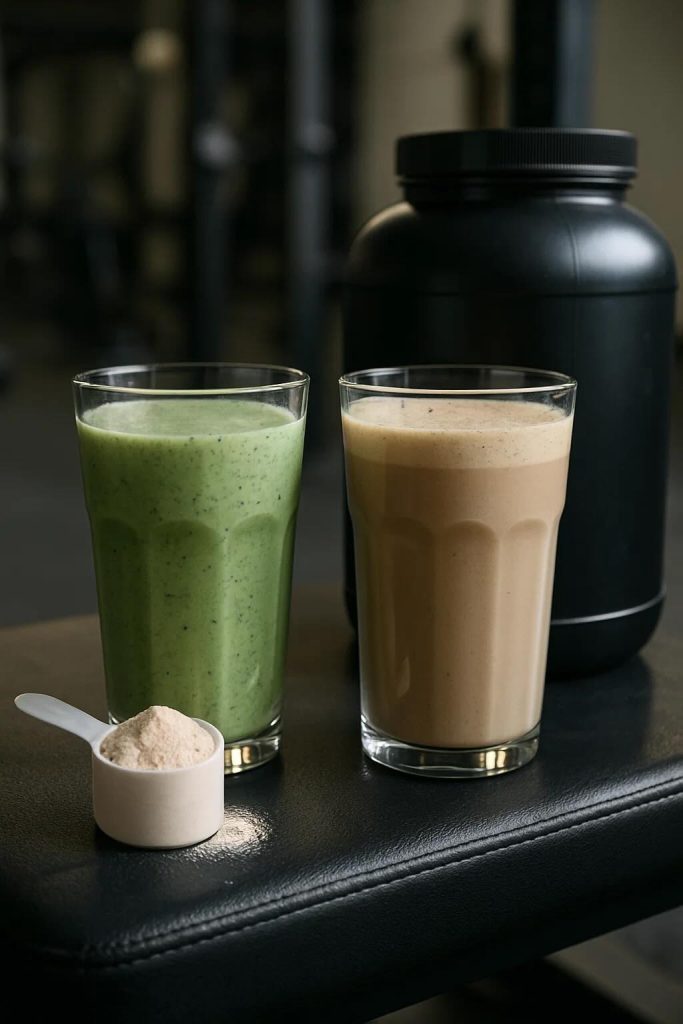
Whey vs. Plant-Based Protein
Protein is the most important supplement for muscle growth—and your body doesn’t care where it comes from, as long as it’s high quality. But not all protein powders work the same way.
- Differences in absorption, amino profile: Whey digests fast and has a complete amino acid profile—especially leucine, which drives muscle protein synthesis. Plant proteins take longer to digest and may need to be blended to hit all nine essential aminos.
- Best options for vegans or lactose-sensitive: If whey causes bloating or breakouts, go plant-based. Look for blends with pea, brown rice, hemp, or pumpkin seed protein. They’re easier on digestion and still effective.
Top Picks:
Optimum Nutrition Gold Standard Whey is fast, clean, and proven.
Orgain Plant-Based Protein Powder is smooth, allergen-friendly, and ideal for dairy-free diets.
How Much You Need
Most lifters fall short—not from lack of effort, but from inconsistent intake. To build and maintain muscle, consistency is key.
- 1.6–2.2g per kg bodyweight: That’s roughly 0.7–1g per pound. If you weigh 160 lbs, aim for 115–145 grams of protein daily.
- Spread intake throughout the day: Instead of stuffing 80g in one meal, aim for 25–35g per sitting. This keeps muscle protein synthesis active all day long.
When to Take Protein
Timing won’t make or break your gains, but it can speed up recovery and help you stay on track.
- Post-workout window: The 30–60 minutes after training is prime time. Your muscles are ready to refuel—don’t leave them hanging.
- Between meals or before bed: Need extra support? Use shakes to hit your targets without cramming in extra meals. Casein (or a slow-digesting plant blend) before bed helps reduce overnight breakdown.
Creatine: Proven Strength and Size
How Creatine Works
Creatine isn’t hype—it’s one of the most researched and effective supplements for gaining muscle and strength. It helps your body regenerate ATP, the energy currency your muscles burn during high-intensity work.
- ATP regeneration: More creatine = more rapid energy production during lifts, sprints, and explosive movements. That means better performance, more reps, and bigger gains.
- Muscle hydration and volume: Creatine pulls water into muscle cells, increasing volume and size. This isn’t just water weight—it signals growth and supports faster recovery.
Monohydrate vs. Other Types
There are plenty of creatine forms on the market—but one still dominates for a reason.
- Creatine monohydrate: proven, cheap, effective: The gold standard. Backed by decades of studies, it works and it’s affordable. No fluff, no filler.
- HCL, buffered, micronized—worth the cost? These options claim better absorption, but most don’t outperform monohydrate in practice. Unless you get GI issues, stick with what’s proven.
Recommended pick:
Creatine Monohydrate Powder by BulkSupplements – lab-tested, clean, and budget-friendly.
How to Take It
No loading. No cycling. No mystery. Creatine works best when you take it daily, no matter the time.
- 3–5g daily, no need to cycle: Take it every day—rest days too. Consistency builds up saturation in your muscles.
- With carbs post-workout or anytime: Taking it with carbs (like a banana or protein shake) may slightly boost uptake, but it’s not essential. Just get it in.
Pre-Workout Supplements: Energy + Focus

What’s Inside a Good Pre-Workout?
If you’ve ever felt flat before a lift or sluggish during a run, a solid pre-workout can flip the switch. The right formula powers your performance from warm-up to last rep.
- Caffeine, beta-alanine, citrulline, tyrosine: These are the heavy hitters. Caffeine boosts alertness and strength. Beta-alanine delays fatigue. Citrulline increases blood flow. Tyrosine sharpens mental focus under stress.
- Energy, endurance, pump, mental clarity: A good pre doesn’t just get you amped—it helps you train longer, lift heavier, and stay locked in. That leads to better sessions and better results.
Top pick:
C4 Sport Pre-Workout Powder – balanced formula, reliable energy, great flavor, NSF Certified for Sport.
Timing It Right
More isn’t better. Timing and dose matter—especially if you don’t want your heart racing at midnight.
- Take 20–30 mins before training: Give the ingredients time to kick in before you start your session. You’ll feel the difference by set two.
- Be cautious with evening use: If you train at night, skip high-stim formulas or cut the dose. Too much caffeine too late can wreck your sleep—and sleep is where recovery happens.
Post-Workout Recovery: Repair Fast, Grow Faster
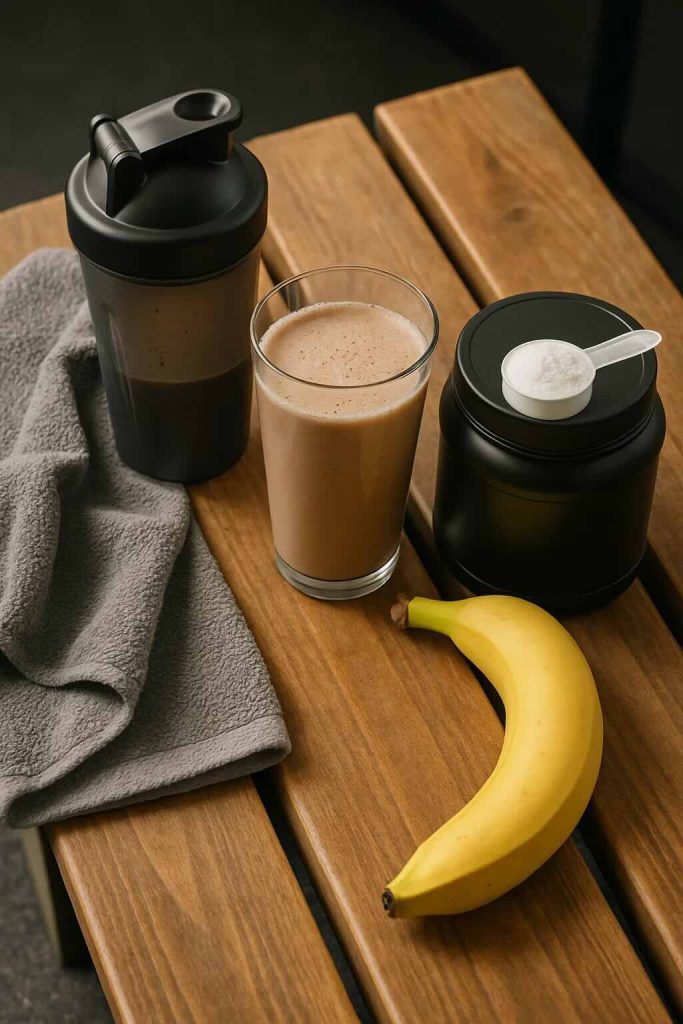
What to Prioritize
The real gains don’t happen during your workout—they happen after. What you do in the hour post-training can make or break your recovery. That’s where smart post-workout nutrition steps in.
- Protein + carbs + hydration: This trio drives muscle repair, glycogen replenishment, and rehydration. Skip one, and you slow the whole process down.
- Reduce soreness, speed up growth: Fast-digesting protein with quick carbs helps reduce DOMS (delayed onset muscle soreness) and kickstarts muscle growth immediately after a tough session.
Recommended product:
Ladder Post-Workout Protein Recovery – built by pros, packed with protein and key recovery nutrients, great taste and clean label.
Best Post-Workout Combos
You don’t need to overthink it. These simple combos deliver everything your body craves after you crush a workout:
- Protein shake + banana: Fast, portable, and hits both macros. The banana adds potassium and fast carbs to reload muscles.
- Chocolate soy milk + creatine: Surprisingly effective—balanced carbs, complete plant protein, and creatine in one delicious drink.
Consistency here means faster recovery, better strength, and more visible results—without dragging into your next workout sore and depleted.
Hormone Support: Do You Need It?
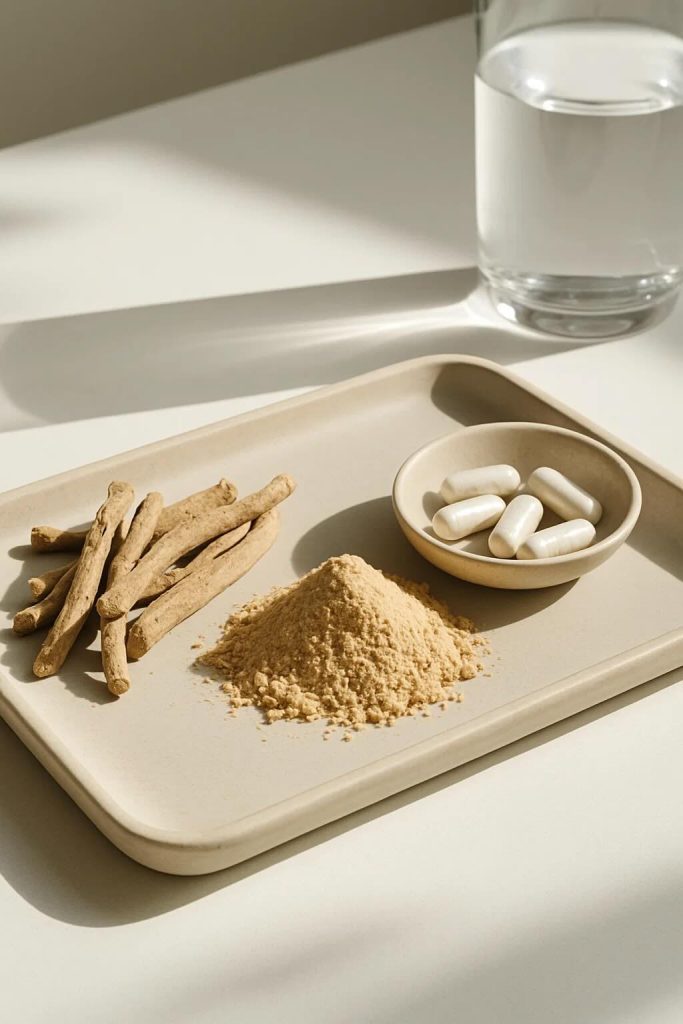
Testosterone Boosters
Testosterone plays a key role in muscle growth, strength, and recovery. But not every “T-booster” on the shelf is worth your cash—or your trust.
- Do they work? What to avoid: Most testosterone supplements are full of hype and empty promises. If it claims to be a legal steroid alternative—it’s probably nonsense.
- Ingredients with actual support: A few nutrients can make a difference if you’re deficient. Look for zinc, magnesium, vitamin D, and D-aspartic acid. These support healthy levels—not supercharge them.
Adaptogens and Cortisol
Hormone balance isn’t just about testosterone. Chronic stress elevates cortisol, which can kill gains. Adaptogens help your body respond better to physical and mental stress—so you recover quicker and stay consistent.
- Ashwagandha, Rhodiola, Maca: These natural herbs have been shown to reduce stress, support endurance, and improve sleep quality. All of which indirectly support muscle recovery.
- Recovery, stress, hormone balance: Think of adaptogens as support crew. They don’t build the muscle—but they keep the engine running smooth so you can.
Top pick:
Ashwagandha KSM-66 Capsules – clinically studied, clean, and trusted by athletes to manage stress and support performance.
Vitamins & Minerals That Boost Results
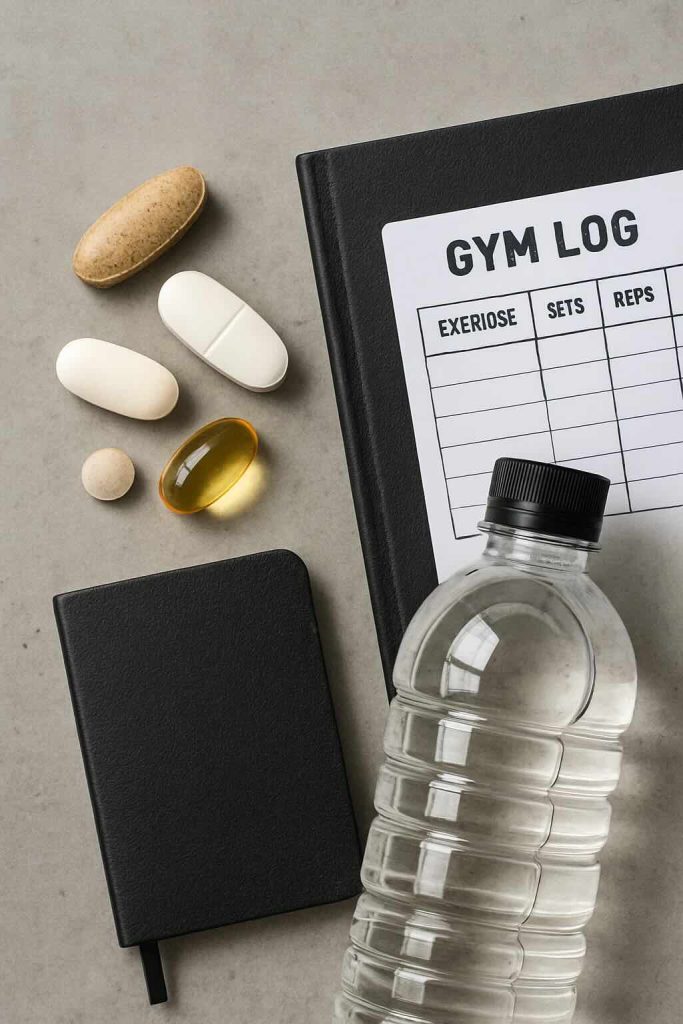
Micronutrients Athletes Shouldn’t Ignore
You focus on protein, carbs, and calories—but the tiny stuff matters too. Micronutrients may not build muscle directly, but without them, your body simply can’t perform or recover at full speed.
- Magnesium: Supports muscle relaxation, energy production, and sleep quality—crucial for recovery.
- Zinc: Essential for hormone regulation and immune support. Low zinc can impact testosterone and healing.
- Vitamin B12: Vital for red blood cell formation and energy metabolism, especially important for plant-based eaters.
- Vitamin D: Helps with muscle function and immune strength. Deficiency is widespread, especially in winter or for indoor athletes.
- Iron: Transports oxygen in your blood. Low iron = fatigue and sluggish workouts.
Top multivitamin pick:
Thorne Research Basic Nutrients – high-quality, bioavailable formula with athlete-approved dosages and no unnecessary fillers.
How Deficiencies Slow Muscle Growth
You can train hard, eat clean, and sleep well—but if you’re low on key vitamins or minerals, you’ll feel stuck. These silent deficiencies often lead to:
- Fatigue: Even mild deficiencies in iron or B12 can leave you drained before the workout even starts.
- Poor recovery: Without adequate zinc or magnesium, muscle repair takes longer and inflammation lingers.
- Lack of strength gains: Low vitamin D has been linked to weaker muscle contractions and slower growth.
Covering your micronutrient bases gives your body the internal support it needs to turn hard training into real, visible progress.
Supplement Timing Tips That Work
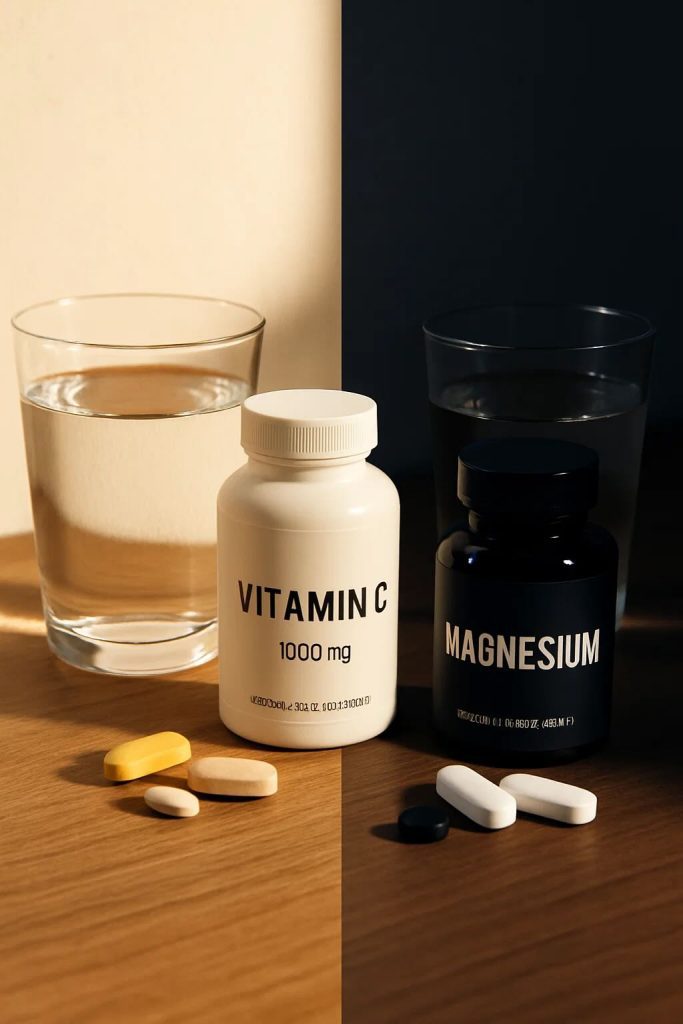
Before, During, and After Training
When you take your supplements can be just as important as what you take. Proper timing supports energy, endurance, recovery, and growth—without wasting doses or missing your window.
- Pre: caffeine, creatine, citrulline: Take 20–30 minutes before training for peak performance. This combo boosts focus, blood flow, and strength output.
- Intra: BCAAs, electrolytes (optional): If you’re training fasted or for over an hour, sipping BCAAs and electrolytes can help maintain hydration and reduce muscle breakdown.
- Post: protein, carbs, creatine: Right after training, your muscles are primed to absorb nutrients. A protein shake with fast carbs and creatine speeds up repair and growth.
Nighttime Support
Your muscles grow while you sleep, so don’t skip nighttime nutrition. Slow-digesting options help fuel overnight recovery and reduce muscle breakdown.
- Casein protein or plant protein: A slow-release shake before bed provides amino acids through the night, supporting muscle repair while you rest.
- Magnesium and zinc for recovery: These minerals support deep sleep, hormonal balance, and tissue healing. They’re a quiet but powerful part of your nighttime stack.
Dial in your timing and your supplements work harder for you—without you even thinking about it.
Common Mistakes to Avoid
Supplements can support your goals—or waste your money and slow you down if used wrong. Here are the biggest slip-ups I see (and how to avoid them):
- Over-supplementing or doubling up: More isn’t better. Stacking multiple products with the same ingredients—like two pre-workouts or multiple creatine sources—can lead to side effects and no added benefit.
- Ignoring nutrition and sleep: No supplement can fix a poor diet or five hours of sleep. Food and rest build the foundation—supplements only fill the cracks.
- Trusting hype over evidence: Fancy labels and influencer ads don’t guarantee results. Stick to proven ingredients with real research behind them—like protein, creatine, and caffeine.
- Skipping dosage instructions: Taking too little won’t help. Taking too much might backfire. Read the label. Know what you’re taking. Stay consistent.
The right supplement strategy is simple: fill in the gaps, don’t complicate the plan, and focus on what truly moves the needle.
Final Thoughts
Supplements are tools—not magic. They won’t build muscle on their own, but when you use them right, they can push your results further and faster.
The real work still comes from training hard, eating well, and getting quality sleep. Once that’s in place, the right stack—protein, creatine, pre-workout, and key vitamins—can help you recover quicker, lift heavier, and grow stronger.
Start simple. Stay consistent. And remember—muscle isn’t made by the scoop, it’s made by the work. Supplements just make the work count for more.