

Think sports drinks fuel your fitness? Maybe—but not always. Behind the bold flavors and neon colors hides a sticky truth: sugar overload. In this article, I’ll break down what sugar does in these drinks, when it helps, when it harms, and how to choose what truly hydrates your body.
Why Sugar Is in Sports Drinks
What Purpose Does Sugar Serve?
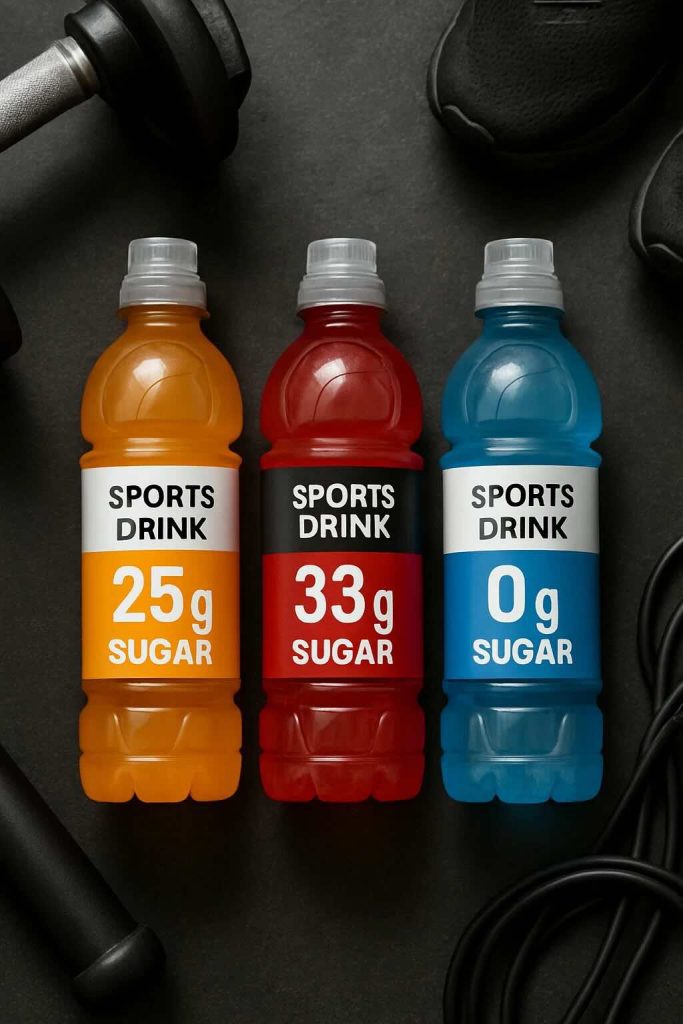
Sugar in sports drinks isn’t tossed in for taste alone—it serves a fast, functional role. During workouts, your body burns through glycogen fast. That’s where glucose comes in:
- Quick energy source: Glucose gives your muscles instant fuel when glycogen stores run low.
- Boosts sodium absorption: Sugar teams up with sodium using a transport system in your gut, helping your body hold onto fluids better.
- Supports long workouts: For events lasting over two hours, sugar keeps your energy steady and your legs moving.
How It Works During Exercise
When your heart’s pounding and sweat’s pouring, your body handles sugar differently than when you’re at rest. Here’s what’s happening inside:
- Insulin response: During high-intensity exercise, sugar causes a mild insulin bump—just enough to shuttle glucose into muscles fast, without a big crash.
- Fluid uptake: Paired with electrolytes, sugar makes rehydration more efficient. Your body absorbs water faster when glucose is present.
- Prevents “bonking”: In endurance sports, a hit of sugar mid-workout can prevent that sudden energy crash known as “bonking.”
How Much Sugar Is in Your Favorite Sports Drinks?
Popular Brands Compared
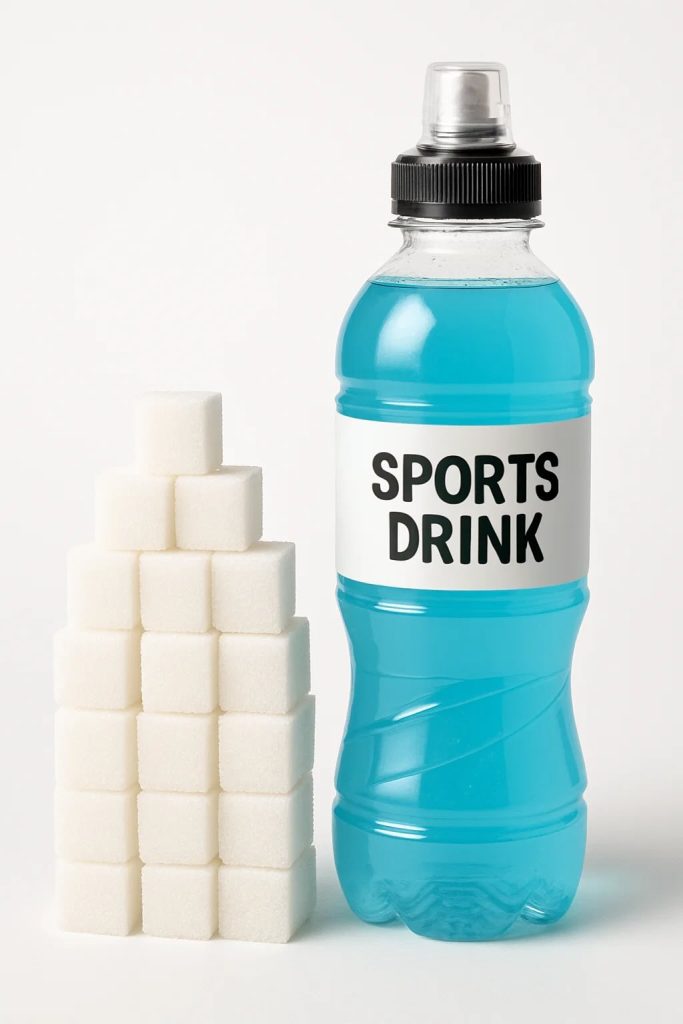
Not all sports drinks are created equal. Some load up on sugar, while others go light—or skip it altogether. Here’s a quick look at how your favorites stack up:
| Brand | Estimated Sugar (per bottle) |
|---|---|
| Gatorade (Classic) | ~34g |
| Powerade | ~21g |
| BODYARMOR | ~18g |
| VitaminWater | ~26g |
| Prime Hydration | ~2g |
| Gatorade Zero | 0g |
| Nuun | 1g |
| LMNT | 0g |
Serving Size Tricks
Watch the fine print. Many bottles list sugar “per serving,” but one bottle often equals 2 or even 2.5 servings. That means a single drink can quietly double or triple your sugar intake.
Sugar and Calories Add Up Fast
A bottle of classic Gatorade packs more sugar than a glazed donut. For kids, casual gym-goers, or anyone doing light exercise, that’s way more sugar than you need—and often more than your body can use.
Do You Even Need the Sugar?
Casual Workouts vs. Endurance Training
If your workout lasts under an hour, you likely don’t need the sugar. For most people, water and electrolytes do the job just fine. Here’s the breakdown:
- Short sessions: Strength training, yoga, or a 30-minute run? Stick to sugar-free hydration with added sodium and potassium.
- Long runs or races: Training for a marathon or biking for hours? That’s when sugar can boost endurance and delay fatigue.
When Sugar Helps, When It Hurts
Sugar has a place in your workout routine—but it depends on the context:
- Helpful: Sugar supports endurance athletes, distance runners, triathletes, and anyone doing ultra-long or high-volume workouts.
- Harmful: If you’re mostly sitting, sipping sports drinks post-gym or at your desk, that sugar turns into excess calories fast.
Signs You’re Overdoing It
If you’re reaching for sugary sports drinks every time you sweat, your body might be trying to tell you something. Watch out for:
- Fatigue after a sugar high: You crash harder than you climbed.
- Bloating or stomach discomfort: Too much sugar can mess with digestion mid- or post-workout.
- Unwanted weight gain: Those liquid calories sneak up fast if you’re not burning them off.
The Problem with Hidden Sugars
Types of Sugars in Sports Drinks
Sugar isn’t always listed as “sugar.” Sports drink labels are loaded with sweet code names like:
- Glucose – Fast-absorbing, fuels muscles quickly
- Sucrose – A blend of glucose and fructose
- Fructose – Harder on digestion, can lead to GI distress
- Dextrose – A form of glucose, quick energy spike
- High-fructose corn syrup (HFCS) – Common in cheaper drinks, linked to metabolic issues
Each type hits your body differently. Some fuel your effort, others bloat your gut or spike your blood sugar too fast.
Marketing vs. Reality
Don’t fall for buzzwords. Labels like “all natural” or “electrolyte hydration” sound clean, but they don’t guarantee low sugar. A drink marketed as “healthy” may still have 20+ grams of sugar hidden behind fancy flavor names or “fruit juice concentrate.”
Impact on Metabolism
Drinks packed with sugar create blood sugar swings that spike insulin and stall fat burning. That’s the opposite of what your body needs after exercise—when it’s primed to burn fat and rebuild muscle. A sugary drink can short-circuit that recovery window.
Better Alternatives: Low-Sugar and Sugar-Free Sports Drinks
Top Picks and What I’ve Tried
I’ve tested dozens of drinks to find what works without flooding my system with sugar. These options hydrate well, taste great, and don’t cause a crash:
- LMNT: Zero sugar, high in sodium and magnesium—perfect for hot workouts or low-carb days.
- Gatorade Zero: Familiar taste without the sugar bomb. Solid pick if you like mainstream flavors.
- Nuun Sport: Tablet-based, with 1g sugar and clean ingredients. Easy to carry and mix on the go.
- Liquid I.V. Sugar-Free: Strong flavor, added B vitamins, and good sodium balance for sweaty sessions.
- Hydrant Zero: Light, crisp taste with balanced electrolytes—no sugar, no nonsense.
DIY Options
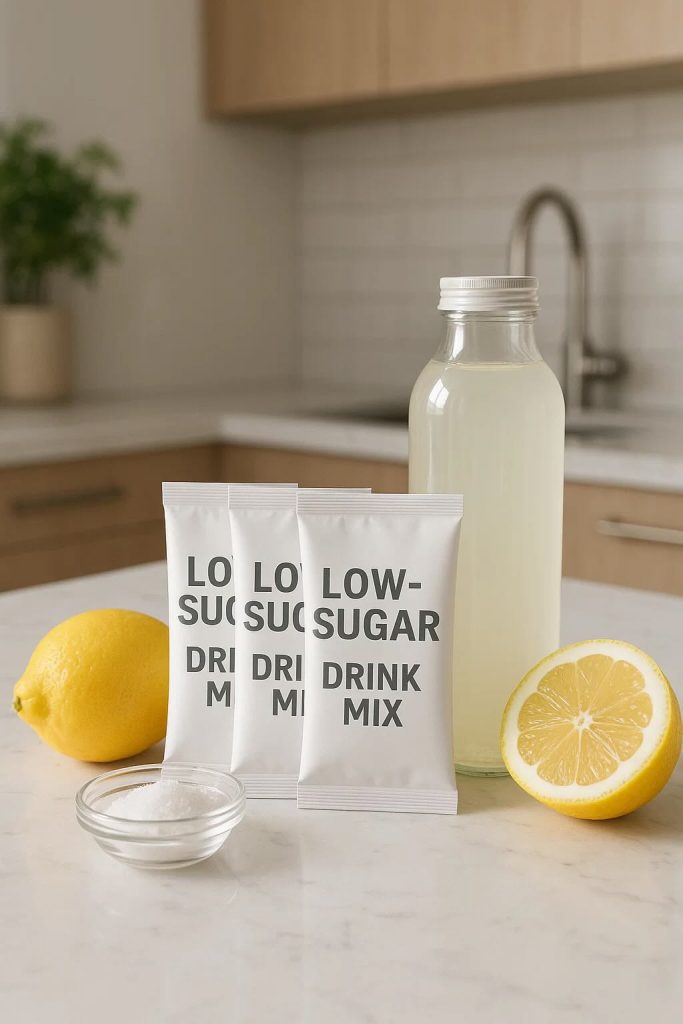
If you want total control over what goes in your bottle, these homemade mixes work wonders:
- Coconut water + pinch of salt: Naturally rich in potassium and mild in taste. Great for gentle hydration.
- Lemon juice + pink salt + stevia + water: A clean, zesty mix that mimics sports drinks without the sugar spike.
- Unflavored electrolyte powders + water: Add your own flavoring or keep it simple. Great for people sensitive to sweeteners.
These blends cost less, work better for many people, and won’t leave you chasing a sugar high that never lasts.
When Sugar-Free Isn’t Always Better
Artificial Sweeteners and Performance
Zero sugar doesn’t always mean zero issues. Many sugar-free drinks use artificial sweeteners like sucralose, aspartame, or acesulfame K. While approved for use, they’re not perfect for everyone. Some studies suggest they may disrupt gut microbiota—which can affect digestion, energy, and even immune response in certain individuals.
Sugar Alcohols = Digestive Distress?
Sugar alcohols like erythritol, xylitol, and sorbitol are popular in “healthy” drinks, but they come with a catch: they can cause bloating, gas, and stomach cramps, especially during exercise. Endurance athletes or anyone with a sensitive gut should be cautious—these sweeteners can backfire mid-run or mid-rep.
Balance Is the Key
While cutting sugar is smart, you don’t need to ban it entirely. Sometimes a little sugar improves absorption, taste, and energy. The trick is knowing when it helps and when it harms. Listen to your body, consider the workout type, and aim for hydration—not a sugar rush or a fake-sweet fix.
How to Read Sports Drink Labels Like a Pro
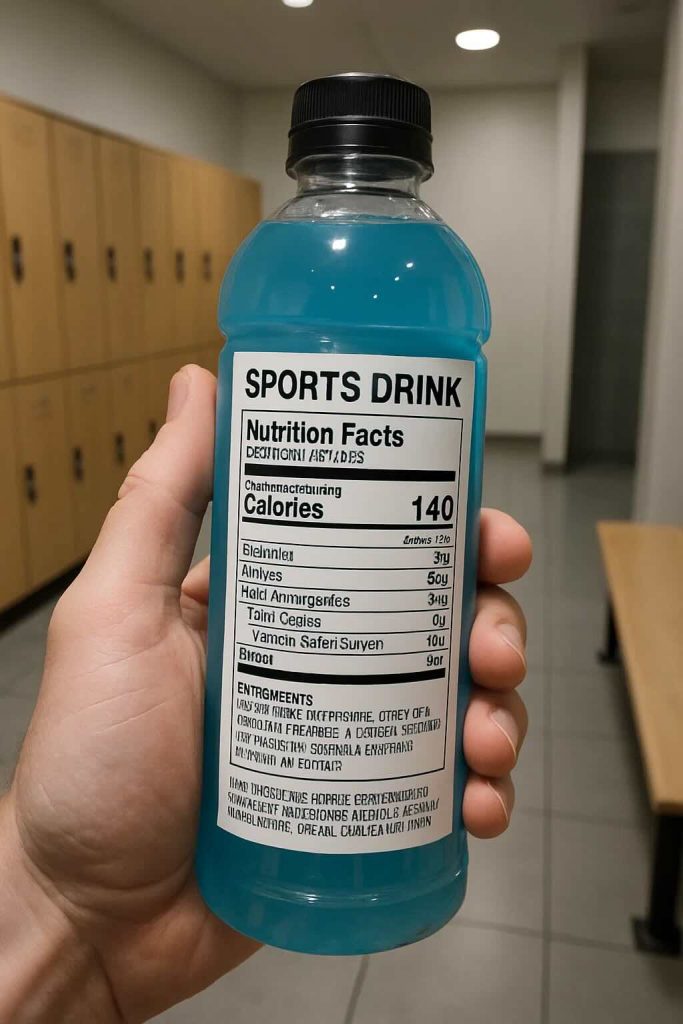
Checklist to Spot Sugar Traps
Marketing loves to make sugar look invisible. Here’s how to decode the label before the drink hits your cart:
- Look for multiple sweeteners: If you see both cane sugar and fruit juice concentrate, it’s a red flag. Brands sometimes mix sugars to hide the total amount.
- Check the serving size: Many bottles are 2 or even 2.5 servings—multiply the sugar and calories accordingly.
- Scan for artificial colorings and preservatives: Red 40, Blue 1, sodium benzoate—these extras add nothing to hydration and may irritate some people.
Best Metrics to Compare
Skip the hype on the front and flip the bottle. Focus on:
- Total sugar (g): Under 5g per serving is ideal unless you’re fueling a long workout.
- Sodium (mg): Look for 200–500mg per serving to replace what you lose in sweat.
- Potassium (mg): Helps prevent cramps and supports muscle function—aim for 200mg or more.
- Added vitamins or enhancers: B12, magnesium, and zinc are nice extras but not essential if your diet’s already solid.
Brands That Are Transparent
Some brands actually make it easy to understand what you’re drinking. My go-to options:
- LMNT: No sugar, clean ingredients, full disclosure of electrolyte breakdown.
- Nuun: Clear labeling, low sugar, no mystery ingredients.
- Liquid I.V. Sugar-Free: Easy-to-read ingredients, boosted with vitamins.
- Hydrant Zero: Balanced formula, no sugar, no confusion.
When in doubt, choose the brand that lists everything clearly—and doesn’t try to sweet-talk you into more sugar than you need.
Smart Strategies for Hydration Without the Sugar Spike
Tips That Work
You don’t need sugar to stay hydrated—you need strategy. These simple habits help you get the fluids and electrolytes your body craves, minus the sugar rush:
- Time your drinks based on workout type: Keep sugar-free hydration for short sessions and daily sipping. Save carb-loaded drinks for longer, high-output workouts.
- Pre-hydrate with electrolytes: Before intense activity or hot weather, mix LMNT or Nuun with water to give your body a head start—no sugar required.
- Use sugar-containing drinks only during or after long sessions: Endurance runs, races, or multi-hour workouts may benefit from added sugar. Otherwise, keep it clean.
Build Your Hydration Routine
Here’s a balanced daily template that keeps your hydration on point without overloading your system with sweeteners:
- Morning: Start the day with LMNT or Nuun in water to restore overnight fluid loss and boost minerals.
- During workouts: If you’re training hard for over 60 minutes, consider a drink with sugar. If not, stick with water + electrolytes.
- After workouts: Replenish with a protein shake and sip unsweetened electrolyte water. Skip sugary sports drinks unless you just ran a marathon.
Hydration is personal. Find your rhythm, track how your body responds, and ditch the guesswork—and the sugar trap.
Conclusion: It’s About Choosing What Serves You
Sugar in sports drinks isn’t evil—it’s just misunderstood. For most of us, it’s more habit than necessity. If you’re pushing through long runs or hours of hard training, sugar can help. But if you’re sipping out of routine or thirst, it’s likely doing more harm than good.
Choose drinks that match your effort, not your cravings. Look past the labels, understand what’s inside, and hydrate with intention. Your body—and your performance—will thank you.